
Gerald Edelman: Immunologist and Neuroscience Theorist
Gerald M. Edelman (1929–2014) was an American biologist who won the 1972 Nobel Prize for work on antibody structure and later developed influential ideas about brain organization.
Overview
Gerald Maurice Edelman was an American biologist whose research spanned molecular immunology and theoretical neuroscience. He shared the 1972 Nobel Prize in Physiology or Medicine with Rodney Robert Porter for discoveries that clarified how antibodies are built and how the immune system recognizes foreign substances. Edelman later applied biological principles to study brain organization and the neural basis of perception and consciousness.
Image gallery
4 Images


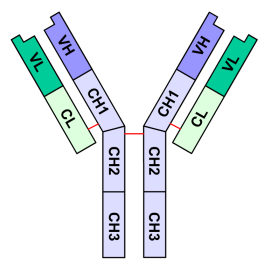
Antibody structure and the Nobel Prize
Edelman's Nobel-winning work helped reveal the chemical and physical arrangement of antibody molecules: protein complexes that identify and bind foreign molecules. His studies, using biochemical and biophysical methods, contributed to the view that antibodies are composed of distinct polypeptide chains and regions with variable and constant functions. This structural insight advanced basic immunology and supported improvements in diagnostics, therapeutics, and vaccine research.
Scientific approach and later work in neuroscience
Beginning as an experimental immunologist, Edelman shifted later in his career to study the brain with an emphasis on selectionist principles. He proposed a theory often called "neuronal group selection" or Neural Darwinism, arguing that development and experience shape populations of neural circuits through processes analogous to natural selection. His interdisciplinary work combined ideas from biology, anatomy, and psychology and stimulated debate about how perception, memory, and consciousness emerge from brain activity.
Contributions and legacy
- Fundamental clarification of antibody architecture that influenced modern immunology and biotechnology (antibody).
- Introduction of a selectionist framework for brain development and cognition, which reshaped some theoretical approaches to neural organization.
- Leadership in building research programs that bridged molecular biology and systems neuroscience (research institutions).
Impact, controversies, and distinctions
Edelman's move from laboratory immunology to broad theoretical claims about mind and brain was ambitious and sometimes controversial. Supporters credit him with opening new ways to think about brain function; critics questioned whether selectionist metaphors fully account for the complexity of neural computation. Regardless, his career is a notable example of cross-disciplinary thinking in 20th-century biology.
Death and remembrance
Gerald Edelman died in La Jolla, California, at age 84. He had been affected by Parkinson's disease (Parkinson's) and prostate cancer (prostate cancer). His scientific contributions continue to be cited in immunology, neuroscience, and discussions of biological approaches to mind and cognition. For further biographical and scientific details see general references and archives (immune system, biography).
Related articles
Author
AlegsaOnline.com Gerald Edelman: Immunologist and Neuroscience Theorist Leandro Alegsa
URL: https://en.alegsaonline.com/art/119705
Sources
- utsandiego.com : "Gerald Edelman, Nobel laureate dies"
- washingtonpost.com : "Gerald M. Edelman, Nobel Prize-winning scientist, dies at 84"
- nobelprize.org : "The Nobel Prize in Physiology or Medicine 1972"
- pubmedcentral.gov : Structural differences among antibodies of different specificities
- nytimes.com : "Gerald M. Edelman, Nobel Laureate and 'Neural Darwinist,' Dies at 84"