
Benjamin Disraeli — British statesman, novelist and twice Prime Minister
Benjamin Disraeli (1804–1881) was a leading 19th-century British Conservative politician, novelist and reformer, serving as Chancellor and Prime Minister and noted for his rivalry with William Gladstone.
Overview
Benjamin Disraeli (born Benjamin D'Israeli; 21 December 1804 – 19 April 1881) was a prominent 19th‑century British politician, writer and Conservative leader. He held senior Treasury office and led governments, serving intermittently as Chancellor of the Exchequer and as Prime Minister of the United Kingdom. Disraeli's career combined literary activity with a long parliamentary life and an energetic foreign policy in the later 1870s.
Image gallery
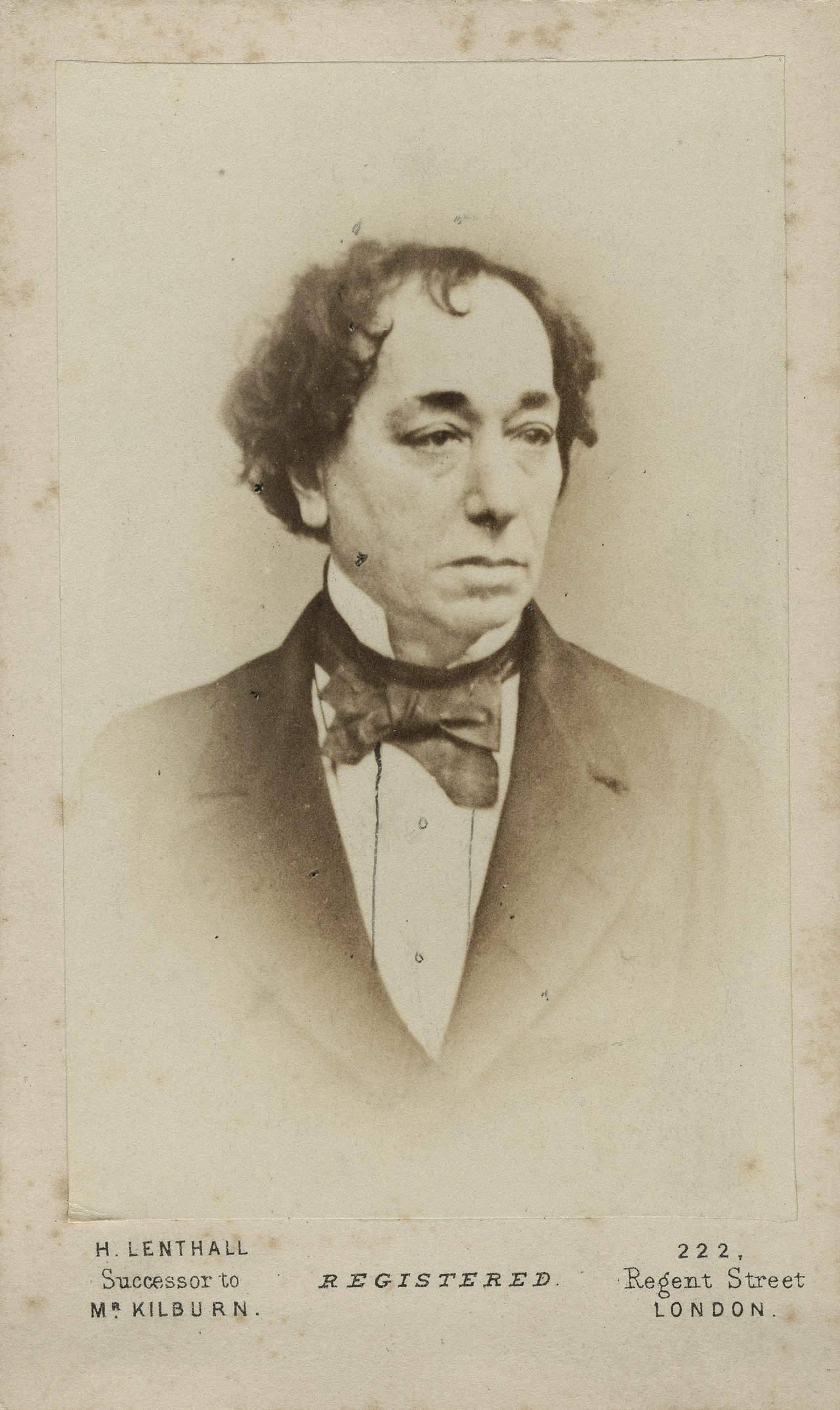
10 Images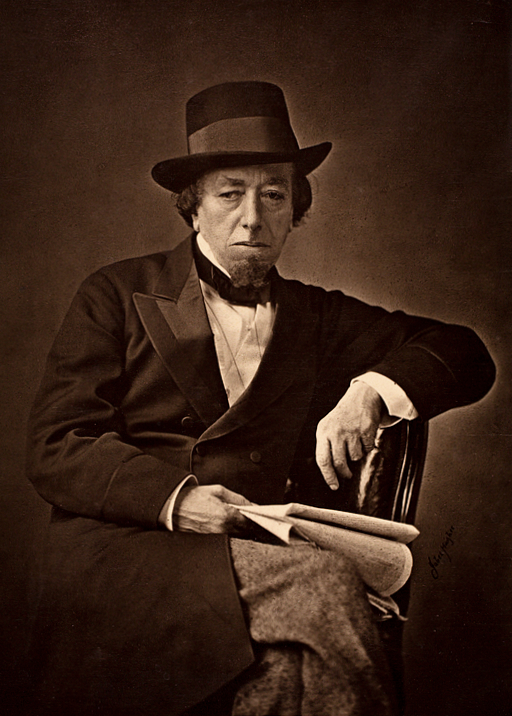




Early life and religion
Born into a family of Jewish origin, Disraeli's upbringing included a notable religious change: his family formally converted to Anglicanism when he was a child and he was raised in that faith. His background remained a distinctive part of his public identity; he is often described as the only British Jewish-heritage prime minister, a point that shaped contemporary commentary and later historical discussion.
Political career and influence
Disraeli rose through Conservative ranks to become leader of his party and a central figure in Victorian politics. He served several times as Chancellor and twice as Prime Minister. His time in office is associated with social and political reform at home, a strengthening of the Conservative party's appeal to broader social groups, and assertive diplomacy abroad. He pursued imperial interests and played a role in events such as securing British influence overseas during the 1870s. His public rivalry with Liberal leader William Ewart Gladstone defined much of the era's political debate.
Works and public image
Disraeli was also a novelist and essayist. Before and during his political life he wrote fiction and political sketches that critiqued society and articulated ideals he later argued for in politics. Some of his novels achieved popular readership and contributed to his reputation as an articulate and witty public figure. His literary background informed his rhetorical style and helped shape the image he cultivated as an energetic, imaginative leader.
Notable offices and legacy
- Chancellor of the Exchequer (multiple terms)
- Prime Minister (short 1868 ministry and 1874–1880 government)
- Leader of the Conservative Party and advocate of a pragmatic, national-conservative policy
Disraeli's blend of literature and politics, his promotion of party unity, and his international initiatives left a lasting imprint on British public life. His elevation in the peerage and the controversies of his time ensured that he remained a widely discussed figure in both political and cultural histories of the Victorian age.
For further reading on his governmental roles see entries on the Chancellorship and the Prime Ministership, and for biographical context consult general histories of the United Kingdom in the nineteenth century and studies of his rivalry with Gladstone.
Questions and answers
Q: Who was Benjamin Disraeli?
A: Benjamin Disraeli was a British politician who served as Chancellor of the Exchequer and Prime Minister of the United Kingdom.
Q: When was Benjamin Disraeli born?
A: Benjamin Disraeli was born on December 21, 1804.
Q: Was Benjamin Disraeli a novelist and biographer?
A: Yes, Benjamin Disraeli was a novelist and biographer.
Q: What was Benjamin Disraeli's main political opponent?
A: Benjamin Disraeli's main political opponent was William Ewart Gladstone.
Q: What was Benjamin Disraeli's religion?
A: Benjamin Disraeli was born into a Jewish family which converted to Anglicanism, and he himself converted to Anglicanism at the age of 12.
Q: Was Benjamin Disraeli the only prime minister of Jewish heritage in British history?
A: Yes, Benjamin Disraeli is the only prime minister of Jewish heritage in British history.
Q: How many times did Benjamin Disraeli serve as Chancellor of the Exchequer and Prime Minister of the United Kingdom?
A: Benjamin Disraeli served as Chancellor of the Exchequer three times (in 1852, from 1858–1859 and from 1866–1868) and as Prime Minister twice (in 1868 and from 1874–1880).
Related articles
Author
AlegsaOnline.com Benjamin Disraeli — British statesman, novelist and twice Prime Minister Leandro Alegsa
URL: https://en.alegsaonline.com/art/114968
Sources
- number10.gov.uk : "Benjamin Disraeli"