
Geoffrey Palmer (New Zealand politician and constitutional lawyer)
Geoffrey Palmer (born 1942) is a New Zealand lawyer and Labour Party politician who served as Prime Minister from 1989–1990 and is noted for his role in legal and constitutional reform.
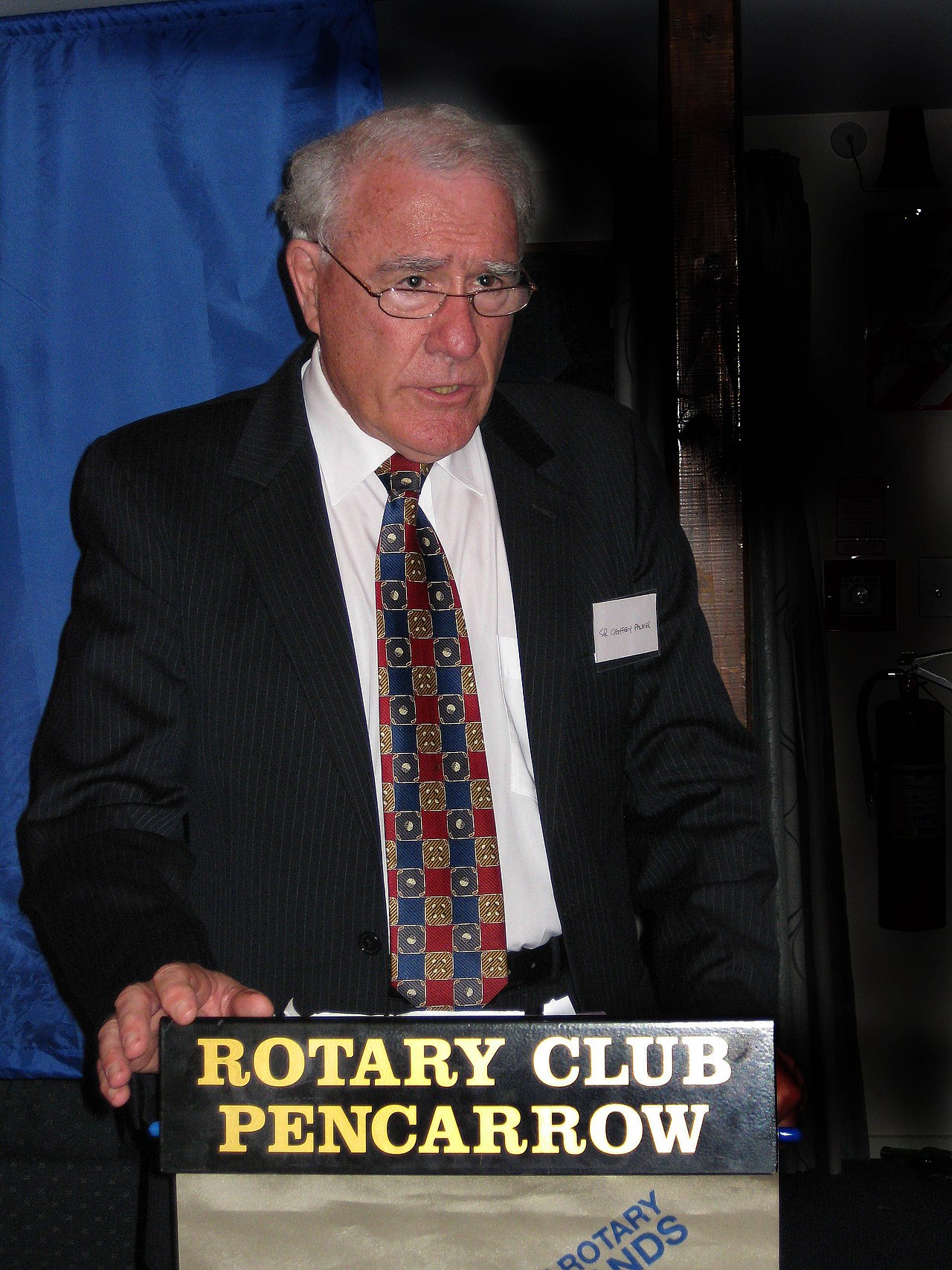
Sir Geoffrey Winston Russell Palmer (born 21 April 1942) is a New Zealand lawyer, academic and former politician. He served as the 33rd Prime Minister of New Zealand from 8 August 1989 to 4 September 1990. Palmer is widely recognized for his expertise in constitutional law and for leading significant legal reforms while a senior member of the Labour government.
Image gallery
5 Images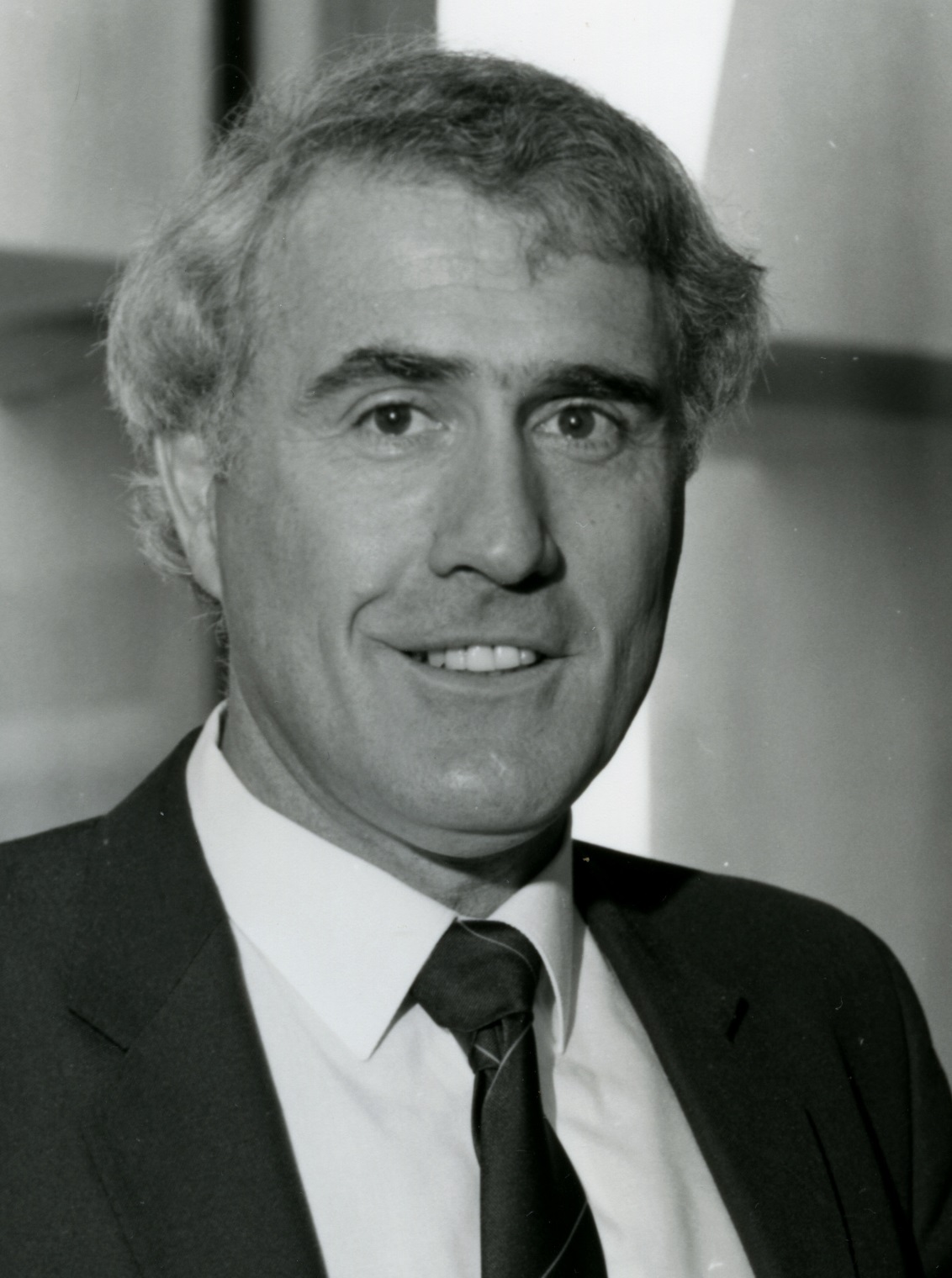



Early life and legal background
Palmer was born in Nelson, New Zealand. He trained as a lawyer and became an academic, teaching public and constitutional law. Before entering high political office he built a reputation as a thoughtful constitutional scholar and commentator, publishing work on the structure of government and civil liberties.
Political career and offices held
Palmer was a senior figure in the Labour Party and held several ministerial positions before becoming prime minister. His time in government included roles with responsibility for legal and constitutional matters. He assumed the premiership following a leadership change and served until the next general election, when leadership of the party passed to his successor.
- Served as Prime Minister (8 August 1989 – 4 September 1990)
- Held senior portfolios related to law and justice
- Led the government through a period of continuing reform and debate over constitutional arrangements
Constitutional and legal reforms
Palmer's influence is most visible in his contribution to New Zealand's legal and constitutional development. He was centrally involved in debates and legislative work about civil rights, the role of courts, and the relationship between Parliament and the judiciary. One of the better known outcomes from this era is the New Zealand Bill of Rights Act, which shaped discussion about individual rights and legal protections.
Later career and legacy
After leaving frontline politics, Palmer returned to scholarship and public service. He continued to write, teach and lead reviews of constitutional and administrative arrangements. His career bridges academia and government, and he is often cited as an example of a lawyer who shaped public policy at the highest level. He has been publicly honoured for his services to law and public life.
Palmer's legacy is mixed: he is praised for intellectual leadership on constitutional issues and legal reform, while his brief premiership is viewed in the context of a turbulent political period. For further reading on his life and work see authoritative biographies and contemporary accounts of late 20th-century New Zealand politics.
Related articles
Author
AlegsaOnline.com Geoffrey Palmer (New Zealand politician and constitutional lawyer) Leandro Alegsa
URL: https://en.alegsaonline.com/art/119511
Sources
- stuff.co.nz : "Former NZ PM to lead Gaza flotilla attack probe"
- nzherald.co.nz : "Palmer to head UN flotilla inquiry"