
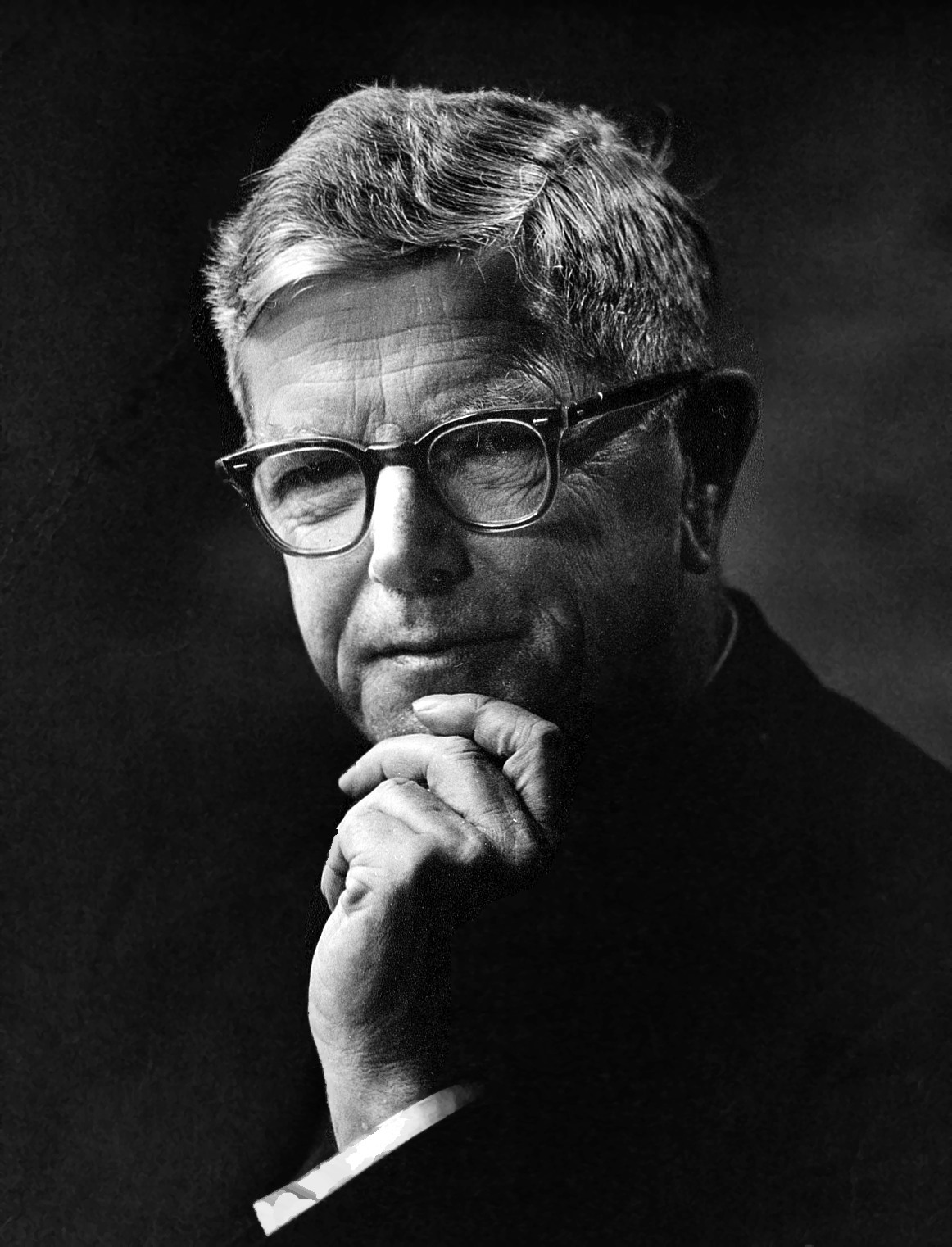
Frank Macfarlane Burnet
Australian virologist and immunologist (1899–1985). Proposed the clonal selection theory, helped establish immunological tolerance, and shared the 1960 Nobel Prize in Physiology or Medicine.
Overview
Sir Frank Macfarlane Burnet (3 September 1899 – 31 August 1985) was an Australian scientist known for work at the intersection of virology and immunology. Trained as a virologist, he combined laboratory studies of viruses with conceptual advances in how the immune system recognizes and remembers foreign material. His work earned him broad recognition, including the Nobel Prize in Physiology or Medicine in 1960, awarded jointly with Peter Medawar for discoveries related to acquired immunological tolerance.
Image gallery
9 Images



Major contributions and ideas
Burnet is most widely associated with the clonal selection theory, a framework that explains how individual lymphocytes bearing specific receptors are selected and expanded in response to an antigen. He emphasized the distinction between "self" and "non‑self" as central to immune recognition and proposed mechanisms by which tolerance to self-components could be established during development.
These ideas gave a coherent account of a range of phenomena in adaptive immunity and influenced fields such as transplant biology, autoimmune disease research, and vaccine science. Burnet also published widely, translating complex immunological concepts into accessible books and reviews that shaped mid‑20th century biology.
Laboratory work and career
Throughout his career Burnet carried out experimental research on animal viruses, including extensive studies of influenza and related infections. He was closely associated with the Walter and Eliza Hall Institute in Melbourne, serving in leadership roles that helped build it into a major research center (Walter and Eliza Hall Institute). His laboratory techniques and approaches to viral cultivation supported vaccine and serological studies.
Legacy and significance
Burnet's combination of experimental virology and theoretical immunology left a durable legacy. The clonal selection paradigm remains a cornerstone of modern immunology taught in textbooks and applied in clinical research. His work on immunological tolerance provided the conceptual basis for understanding graft acceptance and the prevention of autoimmunity.
- Nobel Prize (1960): shared with Peter Medawar for acquired immunological tolerance and its implications.
- Scientific influence: initiated lines of inquiry in adaptive immunity, transplantation, and vaccine development.
- Institutional impact: helped professionalize biomedical research in Australia and trained generations of researchers.
For introductions to the scientific fields influenced by Burnet, see general resources on immunology, virology, and the history of medicine.
Related articles
Author
AlegsaOnline.com Frank Macfarlane Burnet Leandro Alegsa
URL: https://en.alegsaonline.com/art/119152