
Florence King: American essayist, novelist and conservative columnist
Florence King (1936–2016) was an American novelist and essayist known for satirical, witty writing about the American South and for long service as a conservative columnist, notably at National Review.
Overview
Florence Virginia King (January 5, 1936 – January 6, 2016) was an American writer celebrated for witty, often acerbic essays and fiction that examined manners, social change and Southern identity. She worked for decades as a columnist and essayist and published several books of essays and short fiction. King was born in Washington, D.C., and remained associated with that city throughout her life.
Image gallery
1 Image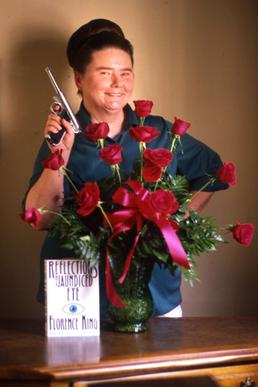
Voice and themes
King's prose combined dark humor, sharp observation and a conservative perspective on culture and politics. Her work frequently turned to the customs and contradictions of the American South, using personal anecdote, cultural history and satire to probe gender roles, social rituals and modern life. Readers know her for a voice that is both literary and conversational—witty, pointed and frequently ironic.
Career and major works
King wrote novels, short stories and several collections of essays. Among her best-known books is Confessions of a Failed Southern Lady, a collection that established her reputation for memoir-inflected social commentary. In addition to books, she wrote regular columns and essays for conservative and mainstream outlets. She was a long-time contributor to National Review, where her pieces blended cultural criticism with personal reflection.
Style and characteristics
- Satire and humor: frequent use of wit to illuminate social foibles.
- Southern subject matter: explorations of manners, hospitality and regional identity.
- Personal voice: essays often framed by memoir-like scenes and family anecdotes.
- Political tilt: a conservative outlook that informed her commentary without eclipsing literary aims.
Legacy and reception
King's work attracted readers who appreciated sharp cultural observation delivered with comic force. Critics noted her skill at turning small domestic details into broader reflections on social change. She is often cited as an influential example of late 20th-century American essay writing that bridges memoir, regional study and polemic. As both a novelist and essayist, she remains associated with a distinctive blend of Southern sensibility and conservative thought.
King died in Washington, D.C., one day after her 80th birthday, on January 6, 2016. For further context on her life and writing see general summaries of American literary figures and commentary on conservative columnists: novelist and essayist profiles, biographical resources, and discussions of conservative writers and columnists at conservative commentary indexes.
Related articles
Author
AlegsaOnline.com Florence King: American essayist, novelist and conservative columnist Leandro Alegsa
URL: https://en.alegsaonline.com/art/118976
Sources
- nationalreview.com : Florence King Obituary