
Fausto Sozzini (Faustus Socinus) — Italian theologian and founder of Socinianism
Italian theologian (1539–1604), founder of Socinianism and leading figure among the Polish Brethren; advocated anti‑Trinitarian theology, the humanity of Jesus, reasoned Scripture reading and religious toleration.
Overview
Fausto Paolo Sozzini, Latinized Faustus Socinus, was an Italian theologian whose thought became the foundation of Socinianism, a notable stream of early modern anti‑Trinitarian Christianity. Born in 1539, he left Italy amid the confessional conflicts of the Reformation and spent much of his mature life among reforming communities in the Polish–Lithuanian Commonwealth. He died in 1604. Socinus is remembered for denying traditional Trinitarian formulas, for insisting on the full humanity of Jesus, and for a method of theology that combined careful scriptural reading with rational argument.
Image gallery
4 Images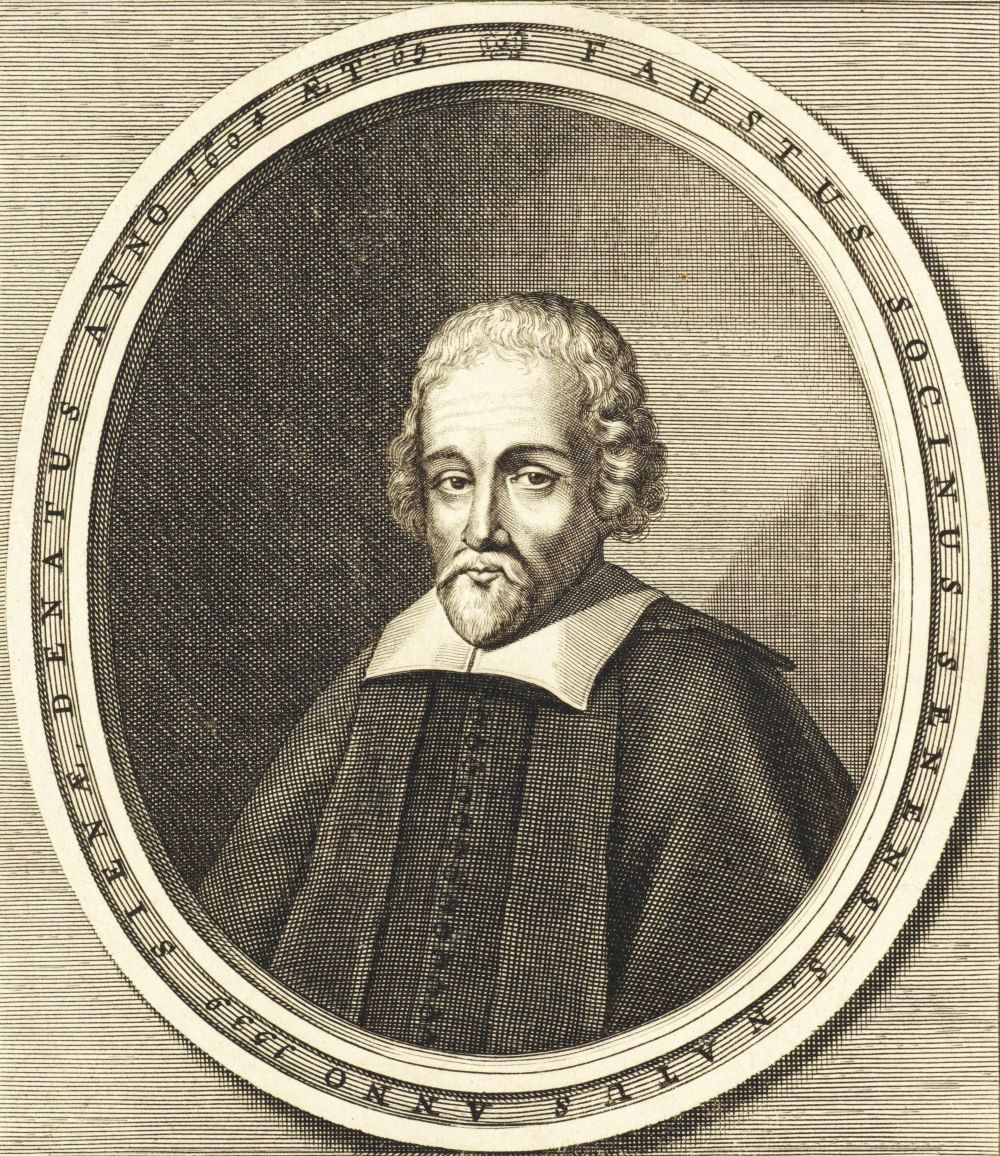


Life and context
Sozzini came from a learned Italian family and was influenced by his uncle, the humanist Lelio Sozzini (Lelio Socinus), who earlier questioned orthodox Trinitarian language. Fausto travelled and corresponded widely in Central Europe before settling among the Minor Reformed Church of Poland, often called the Polish Brethren. That community offered a relatively open environment for theological debate and the circulation of non‑Trinitarian views in the late 16th and early 17th centuries.
Beliefs and theological method
Socinian theology emphasized the use of reason in interpreting Scripture and rejected reliance on medieval scholastic metaphysics. Key characteristics include opposition to the doctrine of the Trinity, a Christology that foregrounds Jesus’ moral example and mission rather than his metaphysical pre‑existence, and an interpretation of atonement that favors moral influence or exemplarist models over penal satisfaction theories. Socinus held that doctrines must cohere with clear scriptural testimony and common sense, and he urged believers to avoid speculative mysteries unsupported by Scripture.
Works, followers and institutions
Sozzini produced treatises, letters and disputations that circulated among sympathetic readers and were preserved by followers. After his death his ideas were systematized by the Polish Brethren; the Racovian Catechism and later printed materials from Raków expressed and disseminated Socinian positions. The movement supported educational initiatives and produced literature that reached readers in Western Europe, contributing to the wider spread of anti‑Trinitarian and Unitarian ideas.
Legacy and influence
Although never a majority movement, Socinianism had a disproportionate intellectual impact. Its insistence on reasoned interpretation of Scripture, ethical focus, and calls for religious toleration anticipate themes of the Enlightenment and influenced later Unitarian currents in Britain and North America. Political and confessional pressures eventually led to the suppression and exile of many Polish Brethren in the mid‑17th century, but their writings continued to circulate and shaped debates about religious liberty and the boundaries of Christian doctrine.
Distinctions and controversies
- Not Arianism: Socinians are commonly distinguished from Arians; whereas Arians allowed a created pre‑existence of the Son, Socinians typically denied Christ’s pre‑existence and emphasized his appointment by God.
- Method: Socinus combined Scriptural exegesis with philosophical argument in a way that challenged both Roman Catholic and Reformed orthodoxies.
- Reception: His ideas provoked controversy, defensive refutations, and at times persecution, but also fostered sustained debate over reason, revelation and conscience within early modern Christianity.
Overall, Fausto Sozzini remains a central figure for understanding the development of non‑Trinitarian thought and the emergence of rationalist currents in post‑Reformation theology.
Related articles
Author
AlegsaOnline.com Fausto Sozzini (Faustus Socinus) — Italian theologian and founder of Socinianism Leandro Alegsa
URL: https://en.alegsaonline.com/art/118857