
Dame Eugenia Charles: Prime Minister of Dominica (1980–1995)
Dame Eugenia Charles (1919–2005) was a Dominican lawyer and politician who led Dominica as prime minister from 1980 to 1995, known for her long tenure, conservative policies, and firm international stance.
Overview
Dame Mary Eugenia Charles was a Dominican lawyer and politician who served as Prime Minister of Dominica from 21 July 1980 until 14 June 1995. She became the island's first — and so far only — female prime minister and remains the country’s longest-serving head of government. She was widely recognized for a disciplined, often uncompromising leadership style that earned her a reputation beyond the Caribbean.
Image gallery
4 Images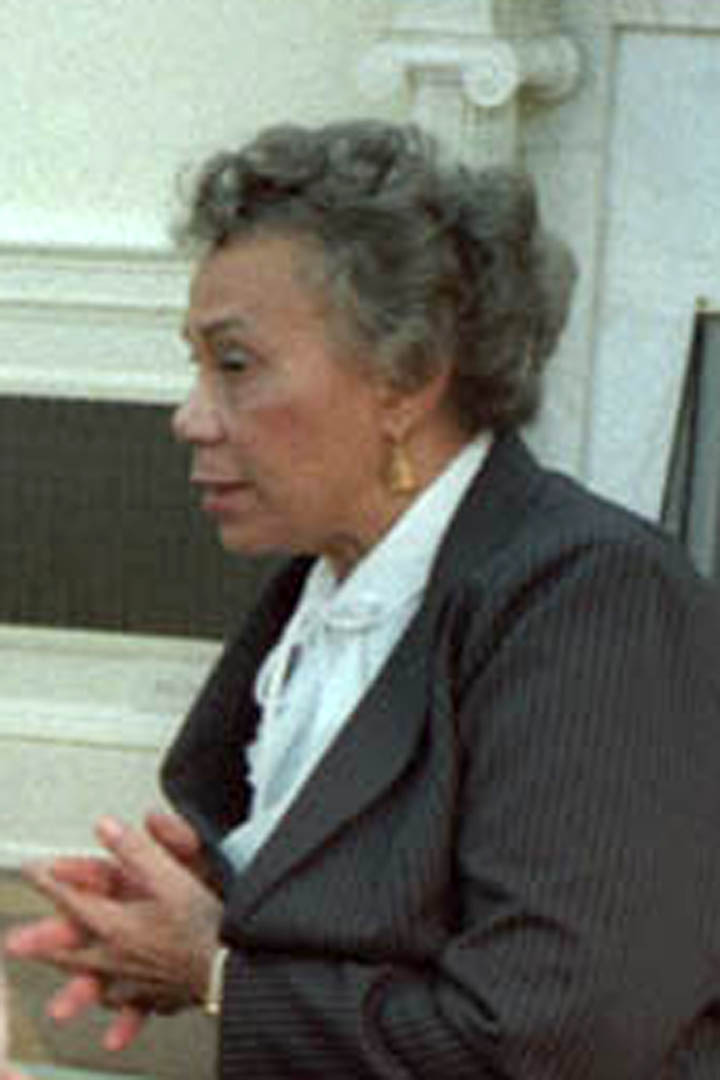


Quick facts
- Name: Dame Mary Eugenia Charles
- Country: Dominica
- Dates: 15 May 1919 – 6 September 2005
- Place of death: Fort-de-France, Martinique
- Cause of death: pulmonary embolism following surgery
Background and rise to power
Before entering national leadership she trained and practiced as a lawyer and became active in public life and party politics. She led the Dominica Freedom Party and rose to national prominence in a period of political uncertainty. Her election as prime minister followed a campaign that emphasized law, order, fiscal discipline and the rule of law.
Domestic policy and leadership style
As prime minister, Charles focused on stabilizing government finances, restoring public confidence and promoting institutional integrity. She preferred pragmatic, market-oriented approaches to economic problems and often stressed the importance of discipline and efficiency in public administration. Her firm stance on security and governance made her a polarizing but influential figure in Dominican politics.
International role and notable actions
On the international stage she was known for a pro-Western, anti-communist orientation and for taking decisive stances in regional crises. Her government played a significant role in Caribbean diplomacy during the 1980s and she supported collective responses to threats to regional stability. Observers sometimes compared her manner to other contemporary strong-willed leaders, and she was often described in the press as an "Iron Lady" of the Caribbean.
Legacy
Charles left a mixed legacy: praised for steadying a small, vulnerable state and for breaking gender barriers in Caribbean politics, while criticized by some for the toughness of her methods and for policies seen as conservative. Her long tenure and distinctive leadership continue to be a reference point in discussions about governance, gender and regional security in the Eastern Caribbean.
Related articles
Author
AlegsaOnline.com Dame Eugenia Charles: Prime Minister of Dominica (1980–1995) Leandro Alegsa
URL: https://en.alegsaonline.com/art/118741
Sources
- guardian.co.uk : "Obituary: Dame Eugenia Charles"