
Ernst Zündel: German-born publisher and Holocaust denier
Ernst Zündel (1939–2017) was a German-born publisher who promoted Holocaust denial. He was repeatedly prosecuted in Canada, the United States and Germany, prompting debates about hate speech, free expression and public safety.
Overview
Ernst Christof Friedrich Zündel (April 24, 1939 – August 5, 2017) was a German-born publisher and pamphleteer who became widely known for promoting Holocaust denial. Over several decades he distributed books, pamphlets and later online material that disputed established accounts of Nazi-era atrocities. His activities made him a prominent and controversial figure in debates about the limits of free expression and the criminalization of hate speech.
Image gallery
2 Images
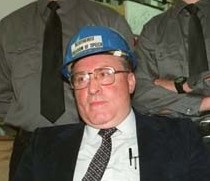
Activity and publications
Zündel built a small but persistent publishing operation that focused on revisionist history and materials denying or minimizing the Holocaust. He used printed tracts, mail-order distribution and, with the rise of the internet, digital channels to reach sympathetic audiences. Observers described his work as part of a broader network of far-right and extremist publishers who circulated similar themes across national borders.
Legal proceedings and controversies
Because his materials addressed race and genocide in a manner judged inflammatory by many governments and civil-society groups, Zündel faced multiple prosecutions in different countries. He was jailed in Canada following convictions for publishing material adjudged "likely to incite hatred against an identifiable group" and was also held under national security procedures. In the United States he encountered immigration-related enforcement, and in Germany he was tried on charges described in court records as "inciting racial hatred." These proceedings attracted media attention and legal commentary about how democracies balance protections for vulnerable groups with protections for speech.
Reception and public impact
Zündel's writings drew strong condemnation from historians, Jewish organizations and human-rights advocates, who argued that Holocaust denial both distorts historical record and perpetuates antisemitic ideas. Supporters and civil-liberties advocates, by contrast, sometimes framed legal action against him as a test case for free-speech limits. His case is often cited in discussions of how different legal systems—criminal law, immigration law and national-security measures—are used to address extremist speech and organizing.
Legacy and death
Zündel died at his home in Germany on August 5, 2017; reports at the time indicated a suspected heart attack. His life remains a reference point in studies of modern denial movements and the transnational circulation of extremist propaganda. Researchers and policy makers continue to cite the legal responses to his activities when considering laws and strategies aimed at combating hate speech and radicalization.
Further information
- For contemporary reporting and legal summaries see contemporary sources.
- Analyses of the broader issues of Holocaust denial, hate-speech law and internet distribution can be found via research and policy resources.
Related articles
Author
AlegsaOnline.com Ernst Zündel: German-born publisher and Holocaust denier Leandro Alegsa
URL: https://en.alegsaonline.com/art/118688
Sources
- ctv.ca : "Zundel won't appeal deportation, lawyer says"
- query.nytimes.com : "Canada Puts Neo-Nazi's Ideas on Trial, Again"
- adl.org : "Ernst Zundel"
- cbc.ca : "Ernst Zundel sentenced to 5 years for Holocaust denial"
- theguardian.com : "Holocaust denial writer jailed for five years"
- cbc.ca : "Trial could turn Zundel into neo-Nazi martyr: observer"
- ctvnews.ca : "Holocaust denier Ernst Zundel dead at age 78"