
Eric Shinseki — U.S. Army General and Secretary of Veterans Affairs
Overview of Eric K. Shinseki, a retired four‑star U.S. Army general and the 7th U.S. Secretary of Veterans Affairs, covering his background, military service, leadership roles, and legacy.
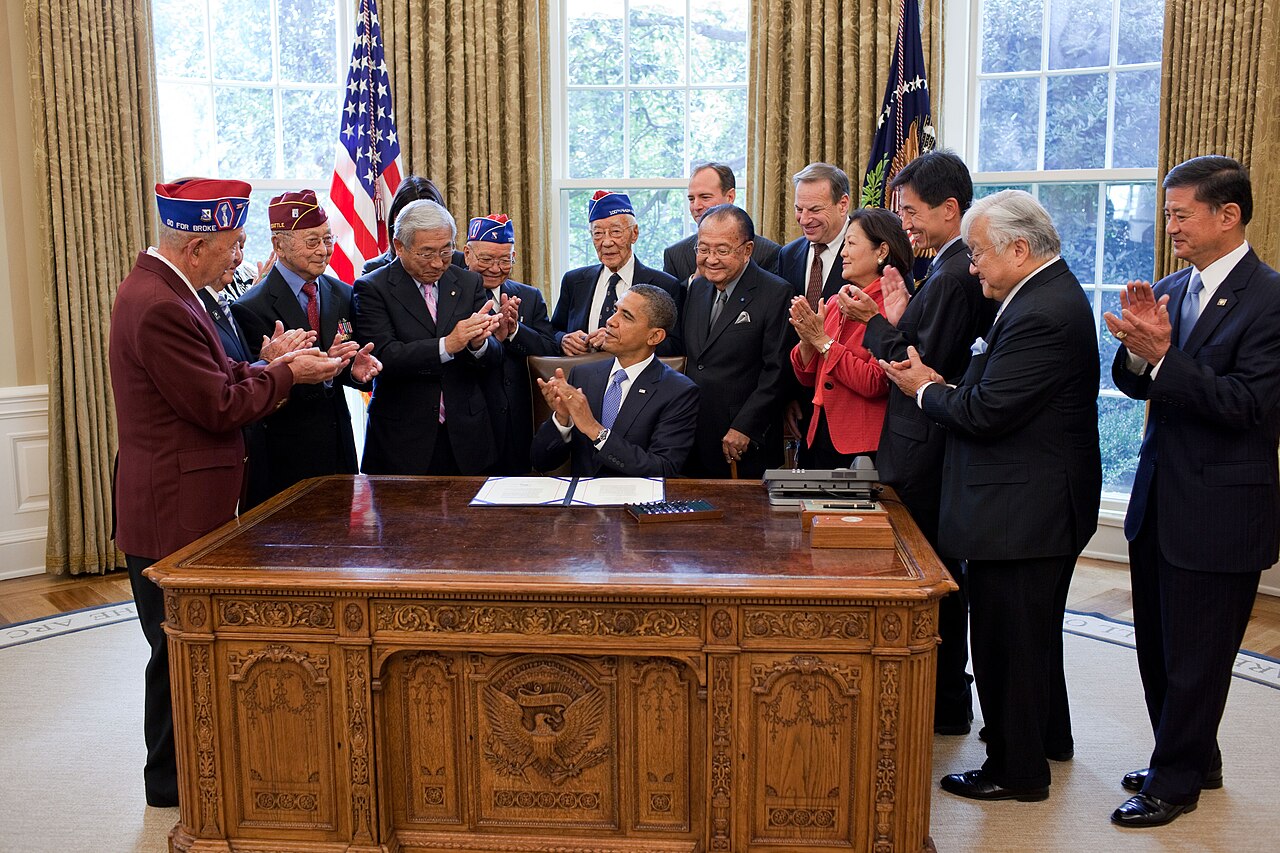
Eric Ken Shinseki (born November 28, 1942) is a retired four‑star general of the United States Army who later served as the 7th Secretary of the Department of Veterans Affairs. A West Point graduate and Vietnam veteran, Shinseki is widely known for his long military career, his role as Army Chief of Staff, and his tenure leading the VA under President Barack Obama.
Image gallery
10 Images





Early life and education
Shinseki was born in Lihue, on the island of Kauai, Hawaii. He graduated from the United States Military Academy at West Point in the mid-1960s and completed officer training before serving in Southeast Asia. His early career combined unit leadership, staff assignments, and advanced military education.
Military career and leadership
Over a more than three‑decade career, Shinseki rose through a succession of tactical and strategic commands. He served multiple tours in Vietnam and later held senior command positions including divisional leadership and corps-level responsibilities. In 1999 he was appointed the 34th Chief of Staff of the Army, a four‑star billet in which he oversaw modernization, readiness, and force transformation as the Army responded to new missions.
Key initiatives and viewpoints
- Advocated Army transformation and restructuring to increase deployability and flexibility.
- Emphasized readiness and long‑term personnel and equipment planning.
- Publicly cautioned about the scale of post‑conflict operations and the resources required for stabilization.
Secretary of Veterans Affairs (2009–2014)
In 2009 Shinseki was nominated and confirmed as Secretary of Veterans Affairs. His tenure focused on improving access to health care and benefits for veterans, expanding programs for homelessness prevention and support services, and modernizing VA facilities and systems. His time at the VA included efforts to increase capacity and reduce barriers to care.
Controversy, resignation, and legacy
Shinseki's term at the VA ended with his resignation in 2014 amid scrutiny over appointment practices and reported delays in care at some VA facilities. The episode prompted congressional hearings and initiatives to reform oversight and accountability within the agency. He is widely regarded as an influential military leader who brought attention to readiness and veterans' issues; his career is noted both for institutional reforms and for the controversies that accompanied his final public office.
Notable facts
- Among the first Asian Americans to attain four‑star rank in the U.S. Army.
- Combined experience across combat service, senior command, and cabinet-level administration.
For further reading about his military record and tenure at the VA, consult official biographies and public records from the relevant institutions.
Related articles
Author
AlegsaOnline.com Eric Shinseki — U.S. Army General and Secretary of Veterans Affairs Leandro Alegsa
URL: https://en.alegsaonline.com/art/118630
Sources
- www1.va.gov : "VA Official Biography - The Honorable Eric K. Shinseki"
- Eric Shinseki