
Elis Regina (1945–1982) — Brazilian singer and icon of MPB
Elis Regina, celebrated Brazilian singer (1945–1982), famed for expressive phrasing and versatility across samba, bossa nova and MPB; known for Elis & Tom and songs such as "Arrastão" and "Como Nossos Pais".
Overview
Elis Regina Carvalho Costa (March 17, 1945 – January 19, 1982) was a Brazilian singer whose technical command, emotional intensity and stylistic versatility made her one of the most admired figures in Música Popular Brasileira (MPB). Hailed by critics, musicians and listeners for her precise phrasing and dramatic interpretive gifts, she helped shape modern Brazilian song across the 1960s and 1970s.
Image gallery
4 Images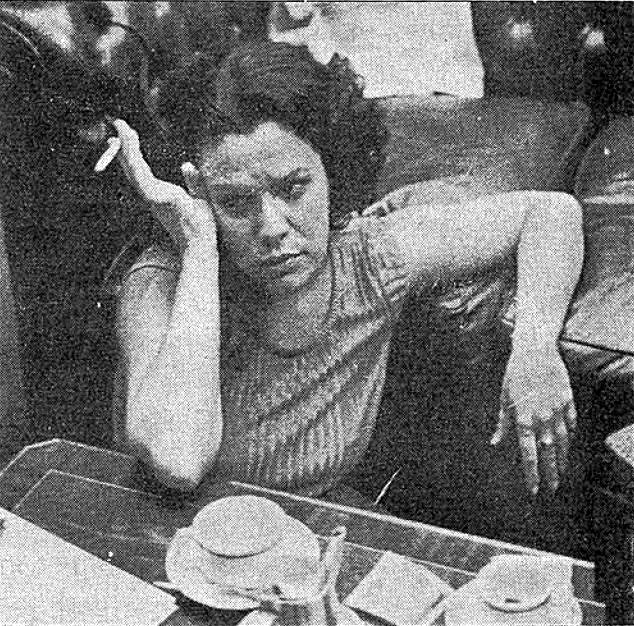


Early life and rise to fame
Born in Porto Alegre, Elis began singing in childhood and first became known through local radio and television. She moved to the national stage in the 1960s, when a breakthrough hit brought her wide attention and established her as a major interpreter of contemporary Brazilian song. Over the following decade she appeared on television, in clubs and on records, building a repertoire that blended popular and sophisticated musical idioms.
Major recordings and collaborations
Elis recorded many albums and worked with prominent composers and arrangers of her era. Her 1974 collaboration with Antonio Carlos Jobim, commonly known as Elis & Tom, is celebrated for its intimate arrangements and chemistry. She also interpreted important songs by composers such as Edu Lobo, Vinícius de Moraes and others, and recorded well-known performances of pieces frequently associated with her name, including "Arrastão", "Como Nossos Pais" and renditions of "Águas de Março" and "O Bêbado e a Equilibrista". Pianist and arranger César Camargo Mariano was among her closest musical partners and contributed to the shape of her later recordings.
Vocal style and repertoire
Elis combined a clear, focused tone with agile phrasing and a strong sense of rhythm. She was admired for her ability to switch from tender, understated delivery to intense, dramatic climaxes, often within the same performance. Her repertoire spanned samba, bossa nova, ballads and the more melodically and harmonically sophisticated compositions that characterize MPB, allowing her to interpret both popular hits and complex songs with equal authority.
Legacy and influence
Her recordings and live performances remain reference points for Brazilian singers and students of song. Elis Regina is widely regarded as a defining voice of her generation; generations of performers cite her phrasing, emotional honesty and commitment to the material as formative influences. Posthumous reissues, tribute concerts and the continued popularity of her recordings have kept her work in the public eye. Her daughter, singer Maria Rita, has also achieved recognition and is often mentioned in discussions of Elis's musical legacy.
Death and continuing recognition
Elis died in São Paulo in January 1982 at the age of 36. Her death, attributed to an overdose of an anti-anxiety medication, was sudden and mourned across Brazil; it contributed to a lasting cultural memory of her work. Scholars, critics and listeners continue to study and celebrate her recordings for their artistic depth and their role in the history of Brazilian popular music.
Selected themes for study
- The relationship between singer and arranger in shaping modern MPB interpretations.
- Elis's role in popularizing contemporary Brazilian songwriters to wider audiences.
- Her influence on phrasing, diction and dramatic approach in popular singing.
Related articles
Author
AlegsaOnline.com Elis Regina (1945–1982) — Brazilian singer and icon of MPB Leandro Alegsa
URL: https://en.alegsaonline.com/art/118305
Sources
- brasil.gov.br : "Elis Regina (1945–1982)"