
Dieter Moebius
Dieter Moebius (1944–2015) was a German-Swiss electronic musician and composer, co‑founder of Kluster/Cluster, member of Harmonia, and an influential collaborator in krautrock, ambient and experimental electronic music.
Overview
Dieter Moebius was a prominent figure in post‑war European experimental music. Born in 1944, he became known as a creative force behind early German electronic and krautrock developments. Over several decades he worked in small ensembles and partnerships that blended synthesizers, tape manipulation, treated guitars and studio effects to produce distinctive, atmospheric sounds.
Image gallery
2 Images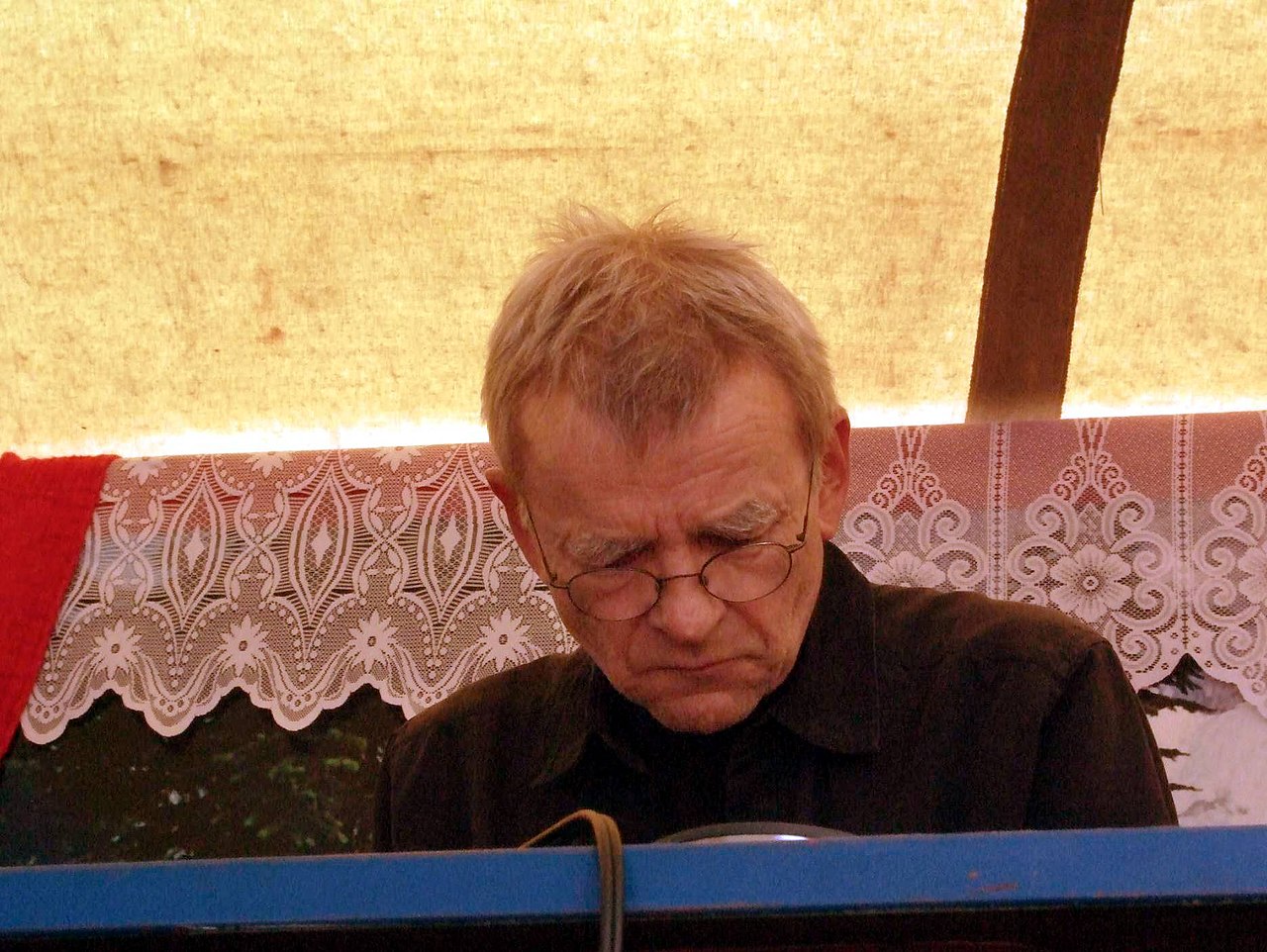
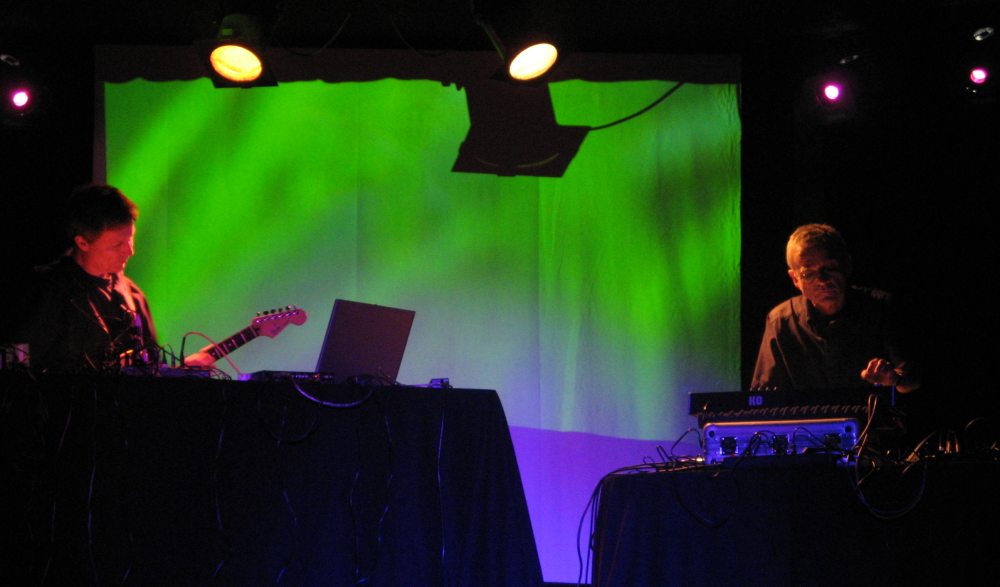
Career and collaborations
In 1969 Moebius co‑founded the group Kluster, an avant‑garde trio that later evolved into Cluster. That change marked a move from noisy, improvisatory textures toward more melodic, electronic landscapes. He was also a member of Harmonia, a band formed with Michael Rother which fused pop sensibilities with experimental production. Moebius collaborated widely — notably with producers and musicians who helped shape the era: engineers and producers like Conny Plank and international artists such as Brian Eno.
Musical approach and instruments
Moebius favored a pragmatic, studio‑based approach: analog synthesizers, organs, tape recorders, effects units and found electronics. He often combined improvisation with careful studio editing, creating pieces that could be meditative or rhythmically propulsive. His work is commonly associated with ambient textures and the broader kosmische or krautrock movement.
Notable projects and recordings
- Kluster/Cluster — foundational groups that anchored his career.
- Harmonia — collaborative band blending melody and experimentalism.
- Partnerships with producers and outsiders that broadened his audience and influence.
Legacy
Moebius died in 2015, but his recordings continue to be cited by electronic, ambient and experimental musicians. He is remembered for expanding the palette of studio music and for collaborations that crossed national and stylistic borders. For context on his national and stylistic identity see references to his German background in sources that discuss the European electronic scene: German and to the musical tradition he exemplified as electronic. His influence endures in how modern producers approach texture, space and the studio as an instrument.
Related articles
Author
AlegsaOnline.com Dieter Moebius Leandro Alegsa
URL: https://en.alegsaonline.com/art/117684
Sources
- factmag.com : "Cluster and Harmonia's Dieter Moebius has passed away"