
Dick Thornburgh
American lawyer and Republican politician; Governor of Pennsylvania (1979–1987) and U.S. Attorney General (1988–1991), noted for crisis leadership and a 1991 Senate run.
Overview
Richard Lewis "Dick" Thornburgh (July 16, 1932 – December 31, 2020) was an American lawyer and Republican public official who served as the 41st Governor of Pennsylvania from 1979 to 1987 and as U.S. Attorney General from 1988 to 1991. He was widely regarded as a pragmatic and moderate figure in his party, known for administrative competence and hands-on management during emergencies.
Image gallery
8 Images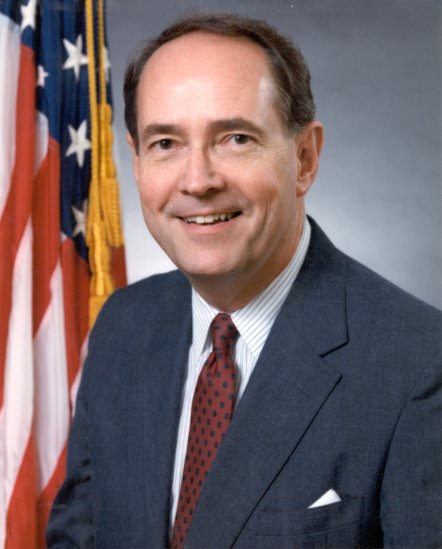


Political career and governorship
Thornburgh won election as governor at the end of the 1970s and completed two terms in the Commonwealth. His early governorship was marked by immediate crisis response after the March 1979 Three Mile Island nuclear accident; his handling of the event established his reputation for steady leadership under pressure. As governor he addressed state budgeting, economic development, and the operations of state government, often emphasizing efficiency and bipartisanship.
Attorney General of the United States
In 1988 Thornburgh was appointed U.S. Attorney General. He served through the transition from the Reagan to the George H. W. Bush administration, overseeing federal law enforcement policy and the Department of Justice during a period of high public attention to crime and drug enforcement. His tenure focused on law-and-order priorities while also navigating complex legal and policy debates at the national level.
1991 Senate campaign and later life
Thornburgh resigned as Attorney General to enter the special election for the U.S. Senate seat from Pennsylvania in 1991. In that campaign he faced Democrat Harris Wofford and was defeated. After leaving public office, Thornburgh remained engaged in public affairs, legal practice, and civic activities until his death on December 31, 2020 in Verona, Pennsylvania.
Legacy and notable facts
- Reputation: remembered as a moderate Republican who worked across party lines and focused on effective administration.
- Crisis leadership: his response to Three Mile Island is frequently cited as an example of steady gubernatorial crisis management.
- Public service span: held high offices at both state and federal levels, illustrating a career that combined law, politics, and executive administration.
Thornburgh's career illustrates the role of pragmatic problem-solving in public life and the ways state leadership can shape national attention during emergencies. For more detailed accounts of his policies and decisions, see archival materials and biographies that document his two-decade prominence in Pennsylvania and national politics.
Related articles
Author
AlegsaOnline.com Dick Thornburgh Leandro Alegsa
URL: https://en.alegsaonline.com/art/117651