
Daniel Akaka: Hawaiian statesman and U.S. senator (1924–2018)
Daniel Kahikina Akaka (1924–2018) was a U.S. Representative and U.S. Senator from Hawaii, the first of Native Hawaiian ancestry, known for veterans' advocacy, education work and the effort for Native Hawaiian recognition.
Daniel Kahikina Akaka (September 11, 1924 – April 6, 2018) was an American politician from Hawaii who served in the U.S. House of Representatives and the U.S. Senate. A member of the Democratic Party, he was the first U.S. senator of Native Hawaiian ancestry. Over more than three decades in Congress he was known as a deliberate, constituency-focused legislator who emphasized veterans' benefits, education, health care and issues affecting Native Hawaiians.
Image gallery
6 Images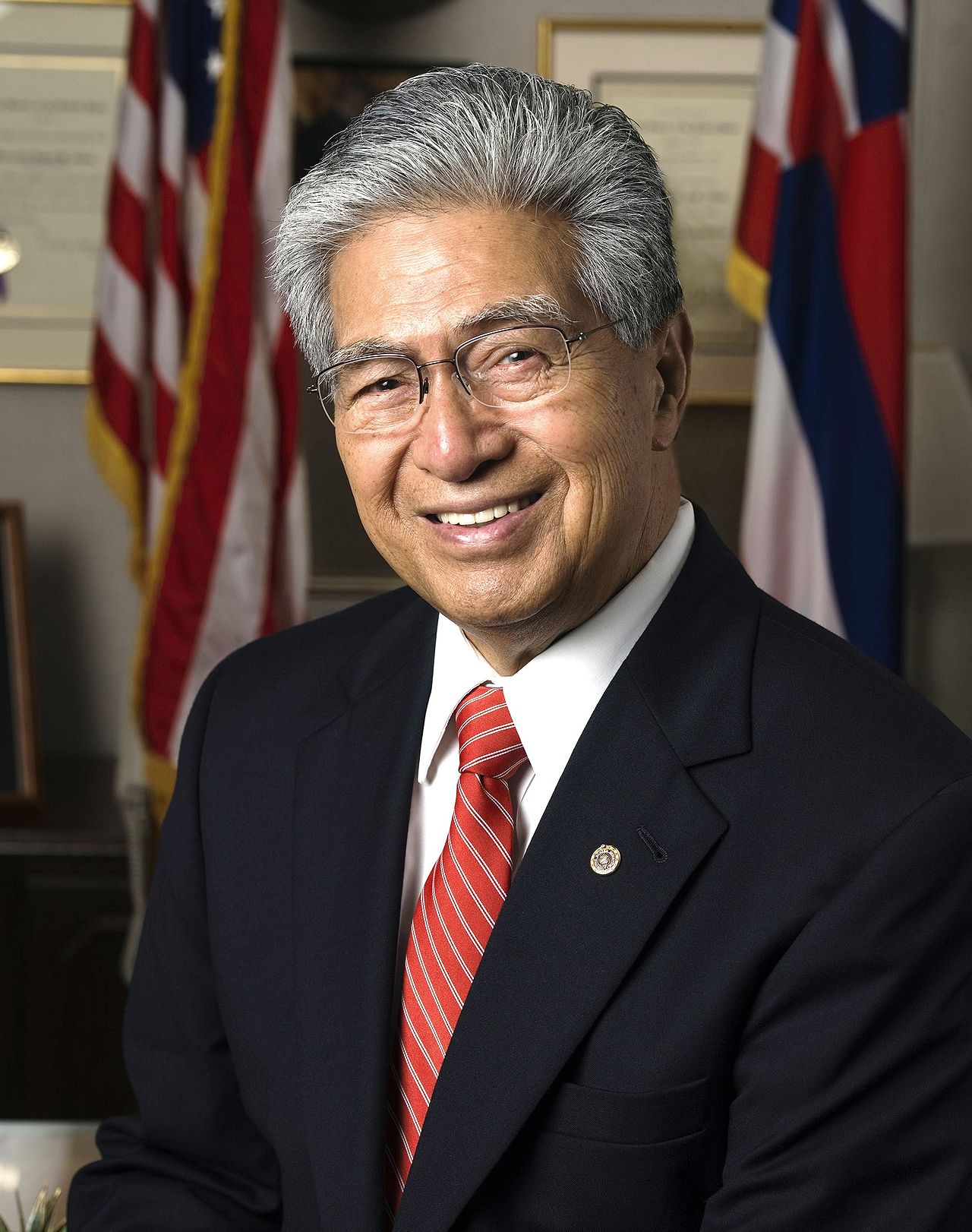


Early life, education and military service
Akaka was born and raised in Honolulu. He served in the U.S. Army during World War II, an experience that shaped his later interest in veterans' issues. After the war he pursued higher education at the University of Hawaiʻi. He later entered public service in education, working at the classroom and administrative levels before joining state government, where he held roles that involved program planning and administration.
State career and entry to Congress
In 1969 Akaka was hired by the Hawaii Department of Education as a chief program planner. During the 1970s he served in several state positions that expanded his background in policy and management. He was elected to the U.S. House of Representatives in 1976 to represent Hawaii's 2nd Congressional District and served there for thirteen years. His House tenure built his reputation for steady constituent service and practical problem solving.
U.S. Senate service
Akaka was appointed to the U.S. Senate in 1990 and subsequently elected in his own right. He served in the Senate until 2013. Throughout his Senate career he focused on legislation to improve veterans' benefits and health care, strengthen educational opportunities, and address the unique needs of Hawaii's residents. He served on several committees and for part of his tenure chaired the Senate Veterans' Affairs Committee, reflecting his long-standing commitment to veterans.
Native Hawaiian advocacy and the "Akaka Bill"
One of Akaka's most sustained efforts was sponsorship of federal legislation to establish a mechanism for federal recognition of Native Hawaiians. Commonly called the "Akaka Bill," the Native Hawaiian Government Reorganization Act proposed a process for acknowledging a Native Hawaiian governing entity and defining its relationship with the United States. The bill prompted extensive national debate about sovereignty, self-determination and legal status; it advanced discussion and awareness but did not become law.
Retirement, death and legacy
Akaka chose not to seek reelection in 2012 and left the Senate in January 2013. Following the death of fellow Hawaiian senator Daniel Inouye in December 2012, Akaka briefly became Hawaii's senior senator. He was succeeded by Mazie Hirono in his Senate seat. Akaka retired to Hawaii and remained a respected elder statesman until his death in Honolulu on April 6, 2018 from multiple organ failure at age 93.
Assessment
Colleagues and commentators often described Akaka as a conciliatory and attentive legislator who prioritized constituent services and pragmatic solutions. His long effort on behalf of Native Hawaiian recognition left a complex legacy: he raised national attention to indigenous rights in Hawaii and helped frame ongoing discussions even as the specific legislation he sponsored did not become law. Veterans' groups, educators and many Hawaiians remember him for steady advocacy and an emphasis on practical improvements to government programs.
Quick facts
- Full name: Daniel Kahikina Akaka.
- Born: September 11, 1924, Honolulu, Hawaii.
- Education: studied at the University of Hawaiʻi.
- Congressional service: U.S. House (first elected 1976) and U.S. Senate (1990–2013).
- Noted for: veterans' advocacy, education, health care policy and efforts toward Native Hawaiian recognition.
- Death: April 6, 2018, Honolulu, from multiple organ failure.
For official biographical material and archival resources on Akaka's legislative record, see the official Senate biography and related archival repositories.
Related articles
Author
AlegsaOnline.com Daniel Akaka: Hawaiian statesman and U.S. senator (1924–2018) Leandro Alegsa
URL: https://en.alegsaonline.com/art/117006
Sources
- ausa.org : "Once a Soldier... Always a Soldier"
- hawaiinewsnow.com : Former US Sen. Daniel Akaka dies of organ failure at 93