
Christine Lagarde
French lawyer and politician; former IMF Managing Director and current President of the European Central Bank, known for global finance leadership and advocacy on climate and gender equality.
Overview
Christine Madeleine Odette Lagarde (born 1 January 1956) is a French lawyer, public official and central banker. She rose to international prominence as Managing Director of the International Monetary Fund from July 2011 to September 2019 and became President of the European Central Bank in 2019. Lagarde is widely noted for being the first woman to lead several of the institutions she has headed and for her role in shaping policy responses to financial crises.
Image gallery
8 Images




Career and major positions
- Early legal career in international business law; senior partner and later chair at an international law firm.
- French government ministerial roles: served as Minister for Commerce and Industry and later as Minister of Finance under President Nicolas Sarkozy — her ministerial span included the government of Dominique de Villepin.
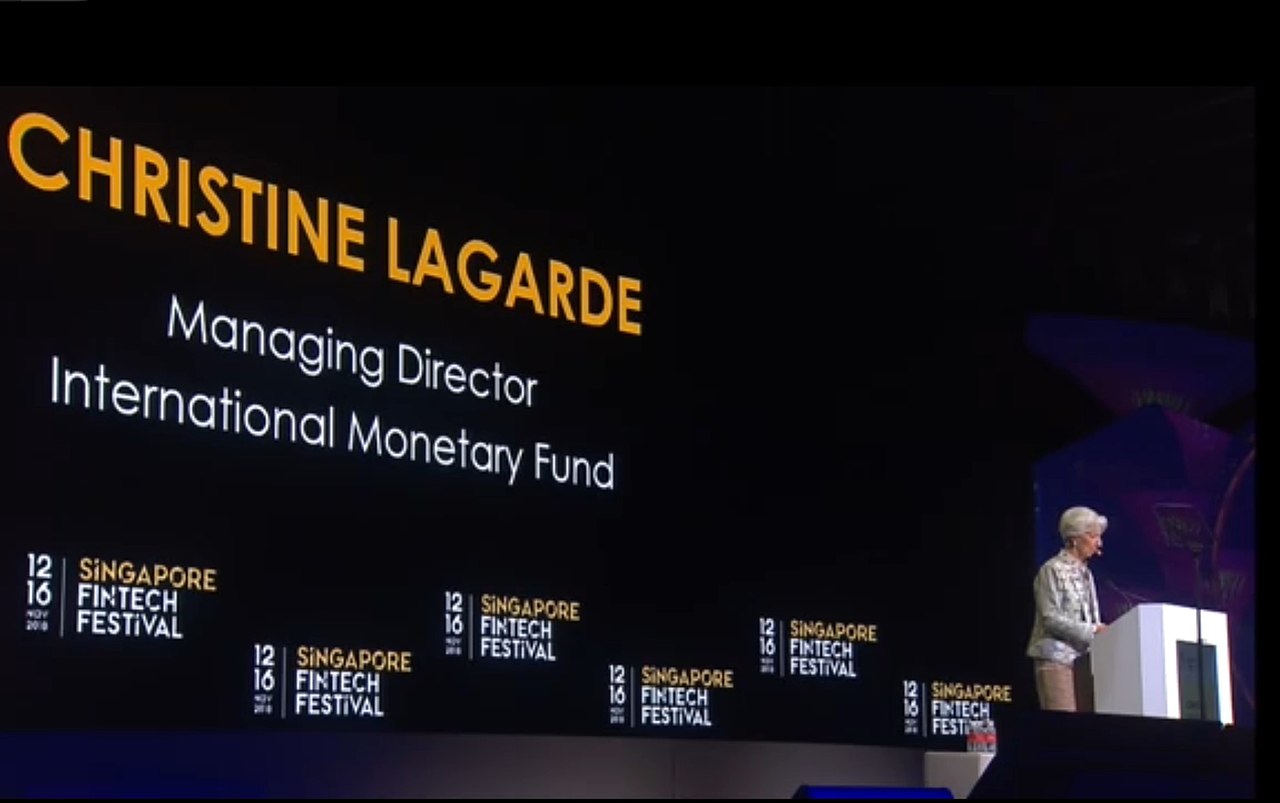
- Managing Director of the International Monetary Fund (2011–2019), overseeing IMF operations during the eurozone and global recovery periods.
- President of the European Central Bank (from 2019), responsible for monetary policy across the euro area.
Lagarde's trajectory moved from private-sector international law into high-level public service, where she handled finance portfolios and multilateral economic coordination. Her background in law and international business shaped her pragmatic, negotiation-focused approach.
Influence, priorities and policy approach
As IMF Managing Director, Lagarde prioritized financial stability, debt sustainability, and support for countries hit by crises; she worked on reforms to strengthen the Fund's lending and surveillance roles. At the European Central Bank she has overseen unconventional monetary policy tools and emphasized transparency, communication, and managing inflation and growth trade-offs for the euro area.
Beyond traditional monetary and fiscal topics, Lagarde has advocated for integrating climate-related risks into economic policymaking and for improving gender equality in finance and leadership. She frequently highlights the economic consequences of climate change and supports mobilizing finance for green transition measures.
Notable facts and controversies
Lagarde is notable for several "firsts" as a woman reaching the highest ranks of global economic institutions. Her tenure has not been without controversy: in France she faced legal proceedings connected to a government arbitration from 2008. In 2016 a court found her guilty of negligence relating to that matter but did not impose a criminal sentence. Supporters point to her crisis management and consensus-building skills; critics sometimes question decisions made while balancing political and institutional pressures.
Her public profile combines legal training, political experience and international economic leadership. Whether viewed through the lens of crisis response, central banking in a low-interest environment, or advocacy on climate and inclusion, Lagarde remains a significant figure in 21st-century economic governance.
Related articles
Author
AlegsaOnline.com Christine Lagarde Leandro Alegsa
URL: https://en.alegsaonline.com/art/116444
Sources
- forbes.com : "Christine Lagarde"