
Catharine A. MacKinnon
American feminist legal scholar and lawyer known for arguing that sexual harassment is sex discrimination and for co-developing an anti‑pornography civil‑rights framework.
Overview
Catharine Alice MacKinnon (born October 7, 1946) is an American radical feminist legal scholar and lawyer. She serves as the Elizabeth A. Long Professor of Law at the University of Michigan Law School and graduated from Yale Law School in 1977. MacKinnon is widely cited for reframing problems of sexual violence and commercialized sex as matters of civil rights and structural inequality; critics such as Naomi Wolf have described her approach as "victim feminism," a label that sparked broader debates about agency and representation.
Image gallery
1 Image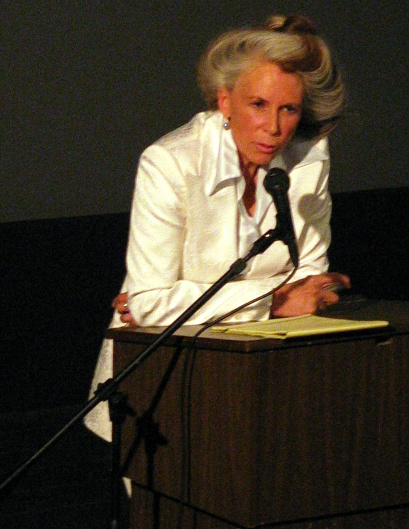
Major ideas and works
MacKinnon's scholarship argues that workplace sexual harassment should be understood as a form of sex discrimination rather than isolated personal misconduct. This framing helped shift legal and policy responses in the United States and elsewhere. She also developed, with Andrea Dworkin, an influential anti‑pornography civil‑rights framework that treated certain sexually explicit material as a violation of women's civil rights and as producing harm; that position generated intense discussion among advocates of free speech and sex‑positive feminism regarding censorship and harm.
Her major books include Sexual Harassment of Working Women (an early, influential study of workplace harassment) and Toward a Feminist Theory of the State, which lays out a systematic critique of law, power, and gender. Through both academic writing and litigation, MacKinnon sought to translate feminist theory into legal doctrine and practice.
Career, influence, and applications
MacKinnon's work spans academic teaching, public policy, and litigation. She has provided legal arguments and amicus briefs that informed courts and regulators defining harassment and sex discrimination. Internationally, she has contributed to conversations that treat sexual violence and trafficking as violations of human rights and as subjects for international law reform. Her methods blend doctrinal analysis, social theory, and advocacy to pursue remedies within civil and human rights frameworks.
Controversies and legacy
MacKinnon's positions provoked strong responses. Supporters credit her with bringing attention to harms that law previously ignored and with creating tools to seek redress. Critics contend that some proposals risked restricting speech or failed to account for women's agency in sexual expression. The debates her work generated remain central to contemporary feminist legal theory, where questions about harm, consent, equality, and regulation continue to be contested.
Further reading
Related articles
Author
AlegsaOnline.com Catharine A. MacKinnon Leandro Alegsa
URL: https://en.alegsaonline.com/art/116093
Sources
- theguardian.com : The Guardian
- lawbrain.comCatharine_Alice_Mackinnon.html : "Catharine Alice Mackinnon - lawbrain.com"