
Carlos Rosenkrantz — Argentine jurist and Supreme Court justice
Profile of Carlos Fernando Rosenkrantz (born 1958), an Argentine lawyer, constitutional scholar and member of the Supreme Court of Argentina since 2016; served as court president 2018–2021.
Carlos Fernando Rosenkrantz (born 27 October 1958) is an Argentine lawyer and jurist who has served on the nation's highest tribunal since August 2016. He was nominated to the bench by President Mauricio Macri and took his seat on the Supreme Court of Argentina amid public debate about judicial appointments and the role of the court in national politics.
Image gallery
1 Image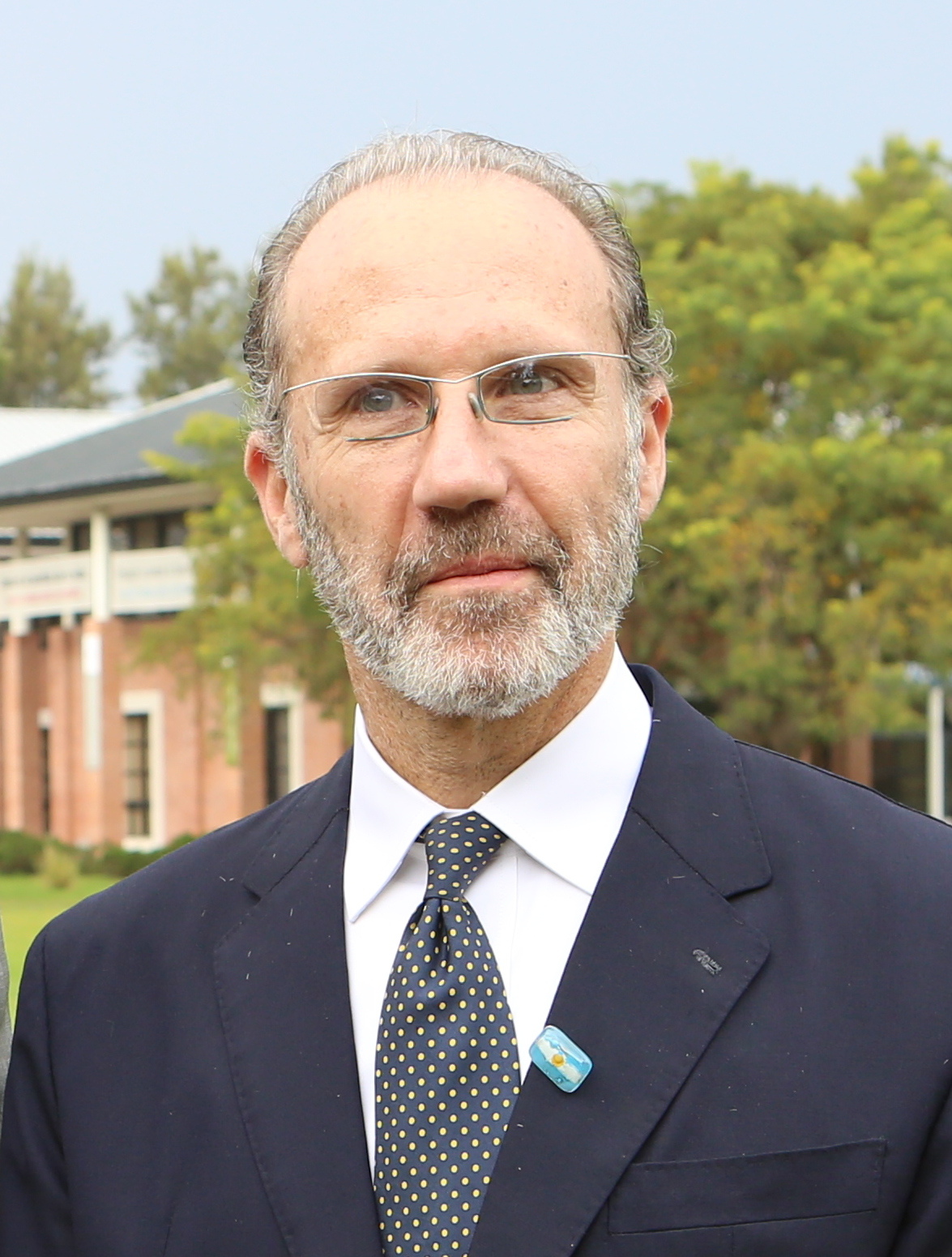
Role on the Supreme Court
Rosenkrantz is one of the justices responsible for deciding constitutional disputes, interpreting federal law and issuing precedents that shape Argentine jurisprudence. He held the Court's presidency from October 2018 until 2021 and thereafter served as vice president of the Court. In these leadership positions he shared administrative duties with his colleagues, guided internal deliberations and represented the institution in official contexts.
Academic and professional background
Before joining the bench, Rosenkrantz built a career as a practicing lawyer and as a scholar of constitutional law. He has taught law, written on legal theory and participated in academic debates about constitutional interpretation, separation of powers and judicial review. His profile combines legal practice with scholarly activity, a common background among high-court appointees in Argentina.
Judicial approach and public perception
Observers describe Rosenkrantz as a jurist whose opinions draw on doctrinal analysis and comparative perspectives. His nomination and subsequent rulings have attracted attention from political actors, civil society and the press, illustrating how high-court appointments often become focal points for broader discussions about democratic institutions, judicial independence and the balance between rights and governmental powers.
Notable facts
- Born 27 October 1958; Argentine national and trained in law.
- Appointed to the Supreme Court in August 2016 after nomination by Mauricio Macri.
- Served as President of the Court from October 2018 to 2021 and later as Vice President.
- Known for a background that combines legal practice with academic scholarship in constitutional law.
As a long-term member of the Supreme Court, Rosenkrantz continues to influence the development of constitutional doctrine in Argentina. His tenure illustrates how individual justices contribute to the evolving dialogue between courts, legislatures and society in shaping the law’s role within democratic governance.
Related articles
Author
AlegsaOnline.com Carlos Rosenkrantz — Argentine jurist and Supreme Court justice Leandro Alegsa
URL: https://en.alegsaonline.com/art/115946
Sources
- jus.gob.ar : CV Dr. Carlos Rosenkrantz