
Brock Adams (American politician and public official)
Brock Adams was a Democratic politician from Washington who served in the U.S. House, as U.S. Secretary of Transportation, and as a U.S. Senator; he retired in 1993 and died in 2004.
Overview
Brockman "Brock" Adams was an American politician who represented the state of Washington at the federal level for many years. A member of the Democratic Party, he held elected office in the U.S. Congress, served in a presidential cabinet position, and later returned to the Senate. His career combined legislative work and executive responsibility in transportation policy.
Image gallery
4 Images


Career and offices
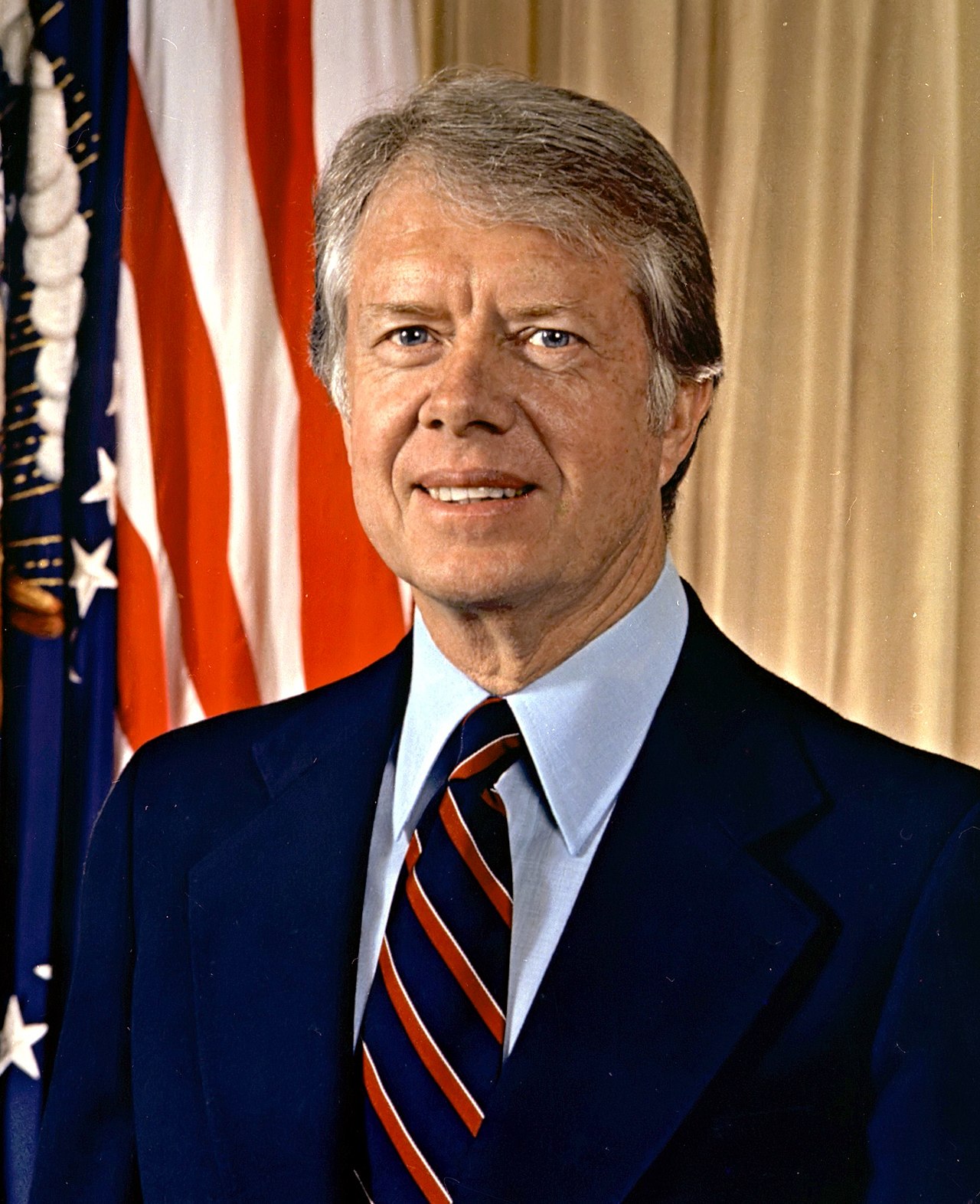
Adams's public service included roles in both chambers of Congress and in the executive branch. He served multiple terms as a U.S. Representative, then was appointed U.S. Secretary of Transportation in the administration of President Jimmy Carter (1977–1979). After his cabinet service he returned to electoral politics and served a term as a U.S. Senator from Washington. These roles placed him at the intersection of national transportation policy, federal funding for infrastructure, and constituent advocacy.
Work and issues
- Transportation and infrastructure policy, as a cabinet official responsible for federal transportation programs.
- Legislative matters affecting Washington state, including urban and regional concerns during his time in the House and Senate.
- Committee work typical of senior members of Congress, where he participated in debates on budgets, regulation, and public projects.
Controversy and retirement
Late in his Senate term, public allegations of sexual misconduct by several women emerged during a re-election campaign. The accusations received wide media attention and affected his standing; he denied criminal wrongdoing, and no criminal convictions resulted. Facing the political consequences of the controversy, he did not continue in elected office and retired when his Senate term ended in January 1993.
Legacy and notable facts
Adams is remembered as one of the relatively few politicians who served both in Congress and in a presidential cabinet, giving him experience in lawmaking and in administration. His time as Secretary of Transportation coincided with debates over safety, funding priorities, and federal oversight of highways and transit. Assessments of his career mix recognition of his legislative and administrative roles with the impact of the later allegations on his public reputation.
Death
Brock Adams died on September 10, 2004, at the age of 77. His death, in Stevensville, Maryland, was attributed to Parkinson's disease. Throughout retrospectives on his life, writers and historians have noted both his contributions to transportation policy and the controversies that shaped the end of his political career.
Offices held (select):
For general reference and additional reading, see further resources on congressional biographies and historical accounts of the Carter administration and late-20th-century Washington state politics (politician, Congress).
Related articles
Author
AlegsaOnline.com Brock Adams (American politician and public official) Leandro Alegsa
URL: https://en.alegsaonline.com/art/115667
Sources
- seattletimes.nwsource.com : "Former U.S. Sen. Brock Adams dies at 77"