
Black Lake (Louisiana)
Black Lake is a reservoir in northern Louisiana between Creston and Campti. Fed by Black Lake Bayou, it spans several parishes and supports fishing, boating, and local recreation.
Overview
Black Lake is a freshwater reservoir in north-central Louisiana located between the small communities of Creston and Campti. The body of water is often described in local sources as a lake but functions as part of a broader bayou and watershed system. It is a regionally important site for outdoor recreation, rural community life, and local fisheries.
Image gallery
7 Images


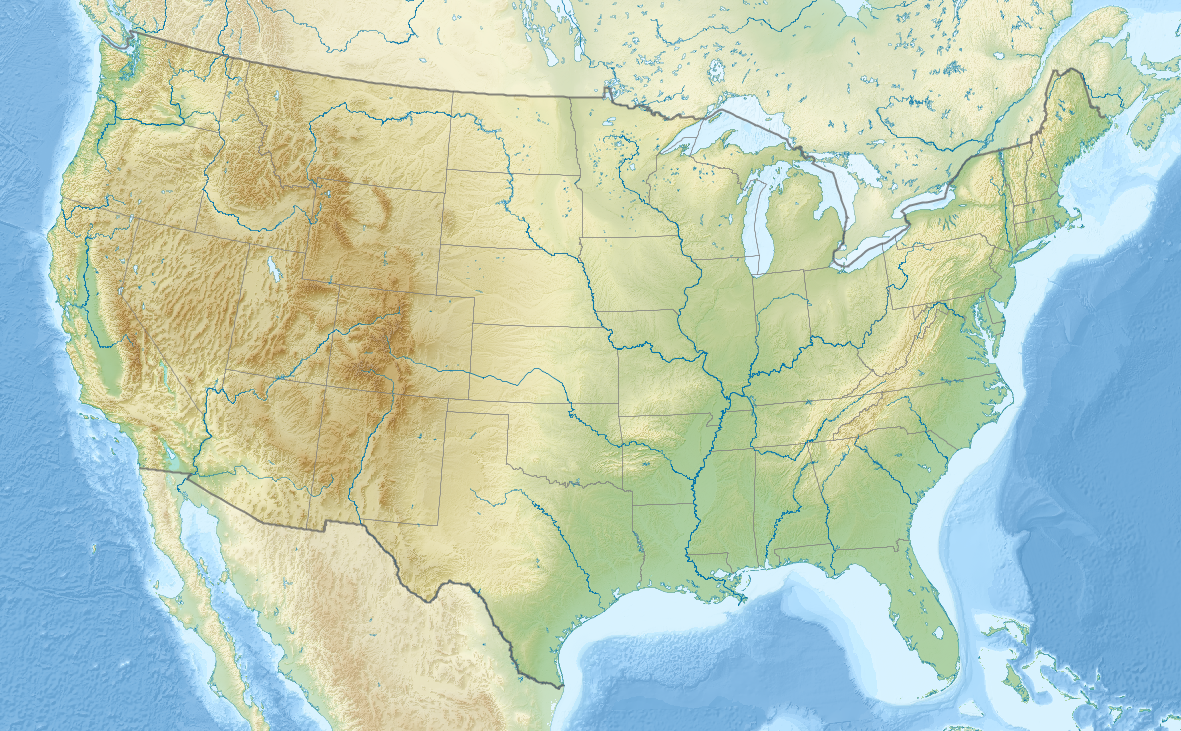
Geography and hydrology
Black Lake receives the bulk of its inflow from Black Lake Bayou, a watershed that stretches from north of Gibsland in Bienville Parish down through several parishes to the south. The basin extends south to Clarence in Natchitoches Parish and passes through Claiborne (Claiborne Parish), Webster, Bienville, Red River and Natchitoches parishes. This network of bayous, sloughs and small streams feeds into the lake and influences seasonal water levels, sedimentation, and wetland habitats.
Physical features and infrastructure
The surface elevation of Black Lake is about 102 feet (31 meters) above sea level. Louisiana Highway 9 spans the lake, creating a local crossing that divides the larger west basin, commonly called Black Lake, from an eastern arm known as Clear Lake or Clear Lake Bayou. Near the eastern side lies Saline Lake; separating Clear Lake and Saline Lake is the Alan Chiverly Dam, a structure completed in 1934. A secondary road (Road 1226) also links the two lakes and provides access for vehicles and trailers.
Communities, recreation and services
Residents and property owners around the lake commonly use postal addresses associated with Campti (ZIP 71411) or Clarence (ZIP 71414). Local children attend area schools such as Lakeview Junior/Senior High School. The shoreline and public access points include boat launches, fishing piers and campgrounds that support boating, angling and family outings. One long-standing local business is Bell's Camp, established in 1936 by Albert and Eva Bell and operated for many years by their daughter Joy Bell Wimberly. Nearby dining that serves lake visitors includes a restaurant known locally for catfish and steaks, often referenced by residents and travelers alike (Sea and Sirloin).
Ecology, uses and management
Although managed in part as a reservoir, Black Lake supports wetland vegetation and a range of freshwater fish and wildlife typical of northern Louisiana bayou systems. Anglers pursue sport fish and locals value the lake for subsistence and recreational fishing. Water level changes, nutrient inputs from the watershed, and shoreline development all influence habitat quality. Local and parish-level agencies, as well as community groups, are involved in access, maintenance and occasional infrastructure projects to balance recreation, drainage and habitat needs.
Notable facts and access
Black Lake is part of a rural landscape that ties together small towns and parishes across north Louisiana. Travelers looking for the lake may consult maps and local guides; online and print resources associated with the feature are often linked to county or parish pages and local tourism listings. For quick reference to nearby places and resources see links for the lake and adjacent communities: Black Lake, Creston, Campti, Gibsland, Bienville Parish, Clarence, Natchitoches Parish, and Claiborne. Visitors should check local information for seasonal conditions and access rules before planning a trip.
Related articles
Author
AlegsaOnline.com Black Lake (Louisiana) Leandro Alegsa
URL: https://en.alegsaonline.com/art/115309
Sources
- maps.google.com : Google Maps
- fishinglouisiana.com : Area 1 - Fishing Louisiana
- cfpub.epa.gov : Black Lake Bayou Watershed - 11140209 | Surf Your Watershed | US EPA
- findlakes.com : Black Lake
- fishingworks.com : Black Lake Fishing in Natchitoches Parish, Louisiana | Fishing Works