
Bill Speakman (William Speakman‑Pitt), VC
Bill Speakman (1927–2018) was a British Army soldier awarded the Victoria Cross for conspicuous bravery during the Korean War; he was among the first to be honoured by Queen Elizabeth II.
William Speakman‑Pitt, known as Bill Speakman, was a British soldier and recipient of the Victoria Cross, the United Kingdom's highest award for gallantry in the face of the enemy. Born in 1927, Speakman came to wider public attention for his actions during the Korean War and for being one of the earliest people to receive an honour from Queen Elizabeth II. He died on 20 June 2018 at the age of 90.
Image gallery
2 Images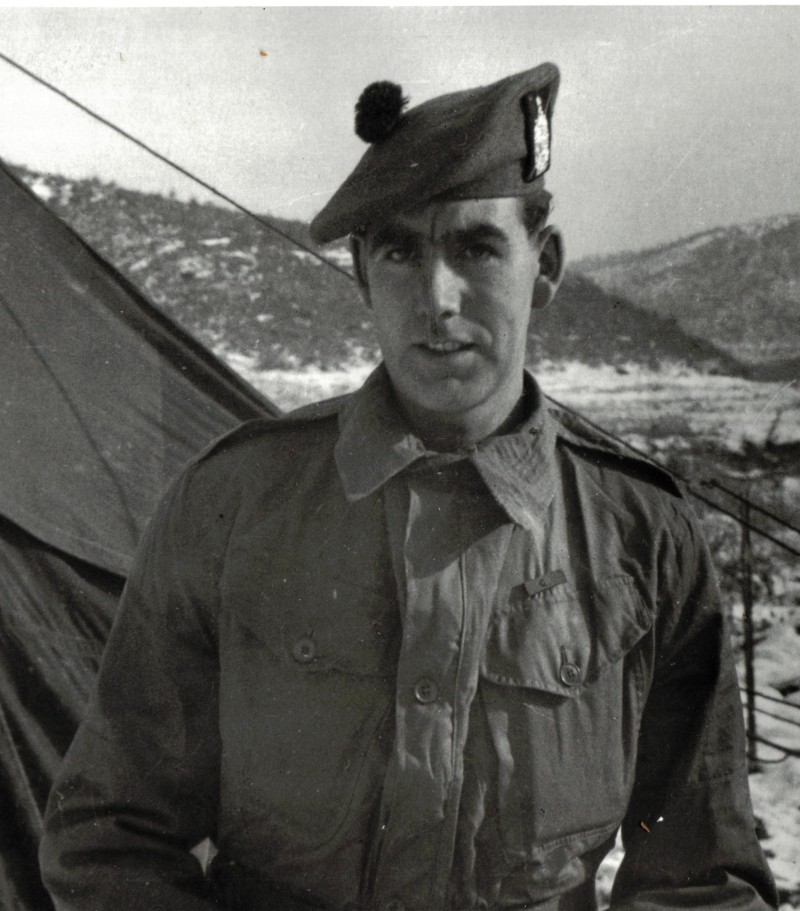

Overview
Speakman served in the British Army during a period when Britain was engaged in conflicts around the world in the mid‑20th century. His conduct in Korea — described in contemporary citations as extraordinary courage and leadership under fire — led to award of the Victoria Cross. That decoration is reserved for those who perform the most conspicuous acts of valour in the presence of the enemy.
Military service and Victoria Cross
During the Korean War, Speakman led small parties in daring counter‑attacks and helped cover the withdrawal of his comrades under heavy enemy pressure. His citation highlighted repeated personal acts of bravery that inspired others and materially assisted the unit’s manoeuvres. The award of the Victoria Cross recognised these deeds and placed him among a small number of British service members decorated for exceptional gallantry in that conflict.
Later life and public role
After his wartime service, Speakman remained a widely respected veteran. He attended ceremonial events, commemorations and gatherings for those who served in Korea and other conflicts. His modest demeanour and willingness to speak about comradeship and sacrifice made him a recognised figure in veteran communities and public remembrances.
Notable facts
- He is commonly referred to as Bill Speakman; his full name was William Speakman‑Pitt.
- The Victoria Cross he received is the United Kingdom’s premier award for bravery in combat (Victoria Cross).
- He was among the first people to be presented with an honour by Queen Elizabeth II after her accession.
- Speakman’s story remains part of the broader history of British involvement in the Korean War and the recognition of individual gallantry.
Speakman’s life illustrates how acts of personal courage in war can leave a lasting public legacy, both through formal honours and through the memories preserved by comrades, historians and commemorative institutions.
Related articles
Author
AlegsaOnline.com Bill Speakman (William Speakman‑Pitt), VC Leandro Alegsa
URL: https://en.alegsaonline.com/art/11493
Sources
- victoriacrossonline.co.uk : "William "Bill" Speakman VC"
- altrincham.today : "Bill Speakman, Altrincham's great war hero and the first person to receive a Victoria Cross from Queen Elizabeth, dies aged 90"