
Archie Shepp
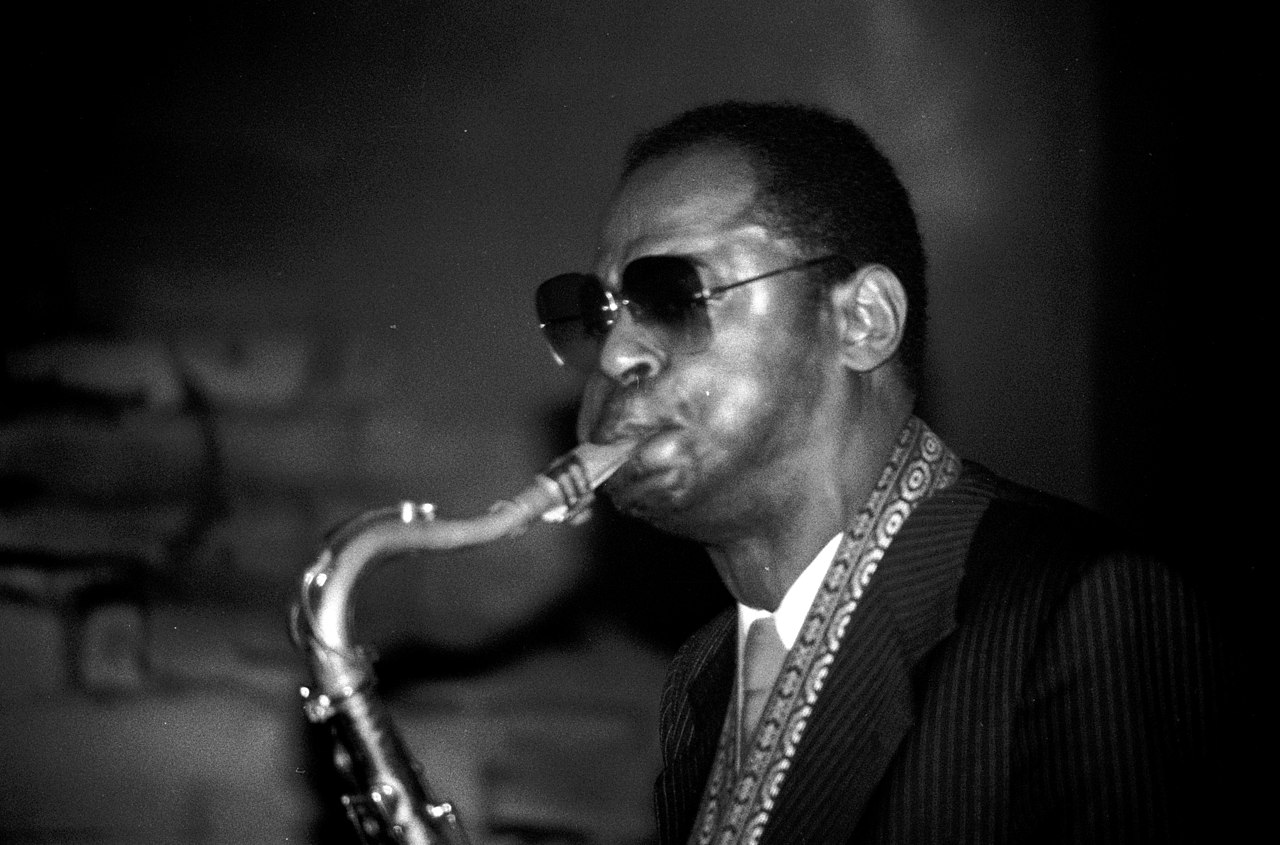
Archie Shepp (born 1937) is an American jazz saxophonist known for his role in avant-garde and politically engaged jazz, influential recordings in the 1960s–70s, and his work as an educator in African-American studies.
Archie Shepp (born May 24, 1937) is an American jazz saxophonist and composer who became a prominent voice in the avant-garde and politically conscious streams of jazz. He is best known for an aggressive, blues-rooted tone on tenor and soprano saxophones and for compositions that often addressed African-American identity, social injustice, and cultural heritage. As a performer he combines free-jazz intensity with references to older blues, gospel, and big-band traditions.
Image gallery
5 Images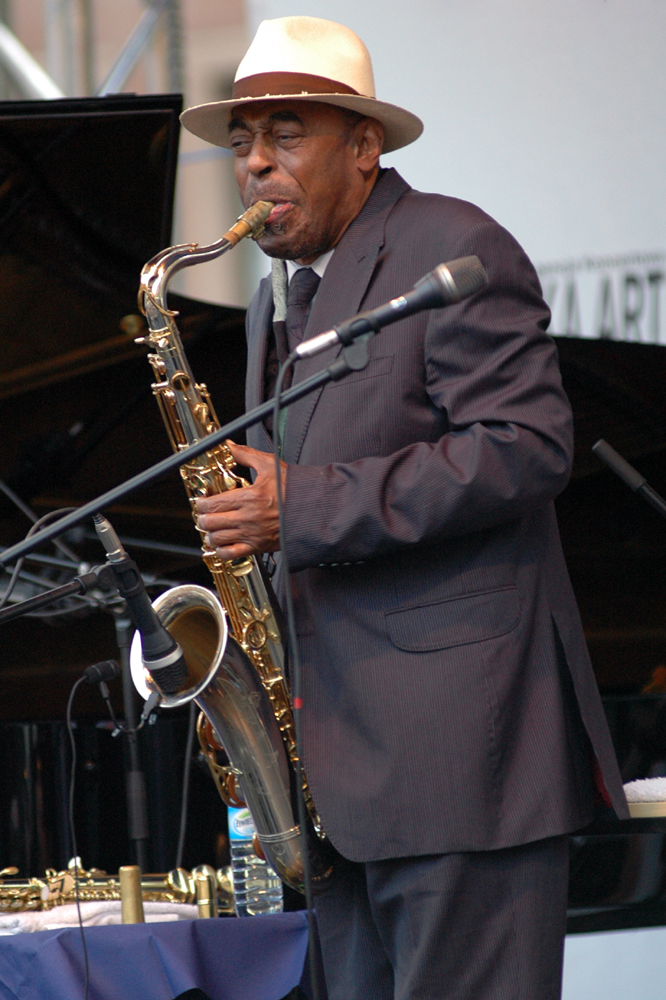


Musical style and characteristics
Shepp's playing is marked by raw timbre, extended techniques, and an expressive, sometimes declamatory approach that channels both improvisation and rhetorical urgency. He often uses motifs drawn from the blues and spirituals alongside dissonant textures characteristic of 1960s free jazz. His work bridges experimental ensembles and more arranged, ensemble-based pieces that incorporate horns, strings, and vocals.
Career highlights and recordings
After early work in Latin and small-group settings, Shepp rose to wider attention through collaborations with avant-garde pianist Cecil Taylor and others active in the New York scene. During the late 1960s and early 1970s he recorded several influential albums that combined activism and music. Two of his best-known releases are Attica Blues and The Cry of My People, both from 1972, which respond to racial injustice and events such as the Attica prison uprising.
- Notable themes: protest and civil rights; African diasporic heritage; jazz as social commentary.
- Representative recordings: experimental small-group sessions and larger, orchestrated suites.
Activism, influences and collaborations
Shepp has explicitly linked his music to social movements and the struggle for racial equality, situating jazz as a medium for political expression. He drew inspiration from earlier blues and from contemporaries such as John Coltrane, while also contributing to the development of free and avant-garde jazz. His work often fused improvisation with spoken-word elements and choral or big-band textures.
Teaching and later work
In addition to performing and recording, Shepp has worked in academia. He served as a professor of African-American studies at SUNY and taught in Buffalo, linking scholarship to cultural practice and mentoring younger musicians and students. Throughout his career he has toured internationally and remained an active commentator on the cultural role of jazz.
For further context on his music and public stance see resources on jazz history and civil rights; for a general introduction to his role in avant-garde jazz consult entries on jazz saxophonists and studies of 1960s–70s jazz movements. Biographical and discographic materials are available through archives and music reference collections in places such as Buffalo, New York cultural institutions and specialist databases covering civil rights-era music.
Related articles
Author
AlegsaOnline.com Archie Shepp Leandro Alegsa
URL: https://en.alegsaonline.com/art/114509
Sources
- arts.gov : "NEA Jazz Masters"
- social.zune.net : "Zune Music + Video - Xbox.com"