
Antonis Samaras: Greek politician and former prime minister
Antonis Samaras (born 23 May 1951) is a Greek politician who led New Democracy and served as Prime Minister of Greece (2012–2015); he played a central role in the country’s bailout negotiations and austerity era.
Antonis Samaras (born 23 May 1951) is a Greek politician best known for leading the centre-right party New Democracy and serving as Prime Minister of Greece from 2012 to 2015. His premiership occurred during the most intense phase of the Greek sovereign debt crisis and concluded when his government was defeated in the January 2015 elections by the left-wing coalition led by Alexis Tsipras.
Image gallery
5 Images


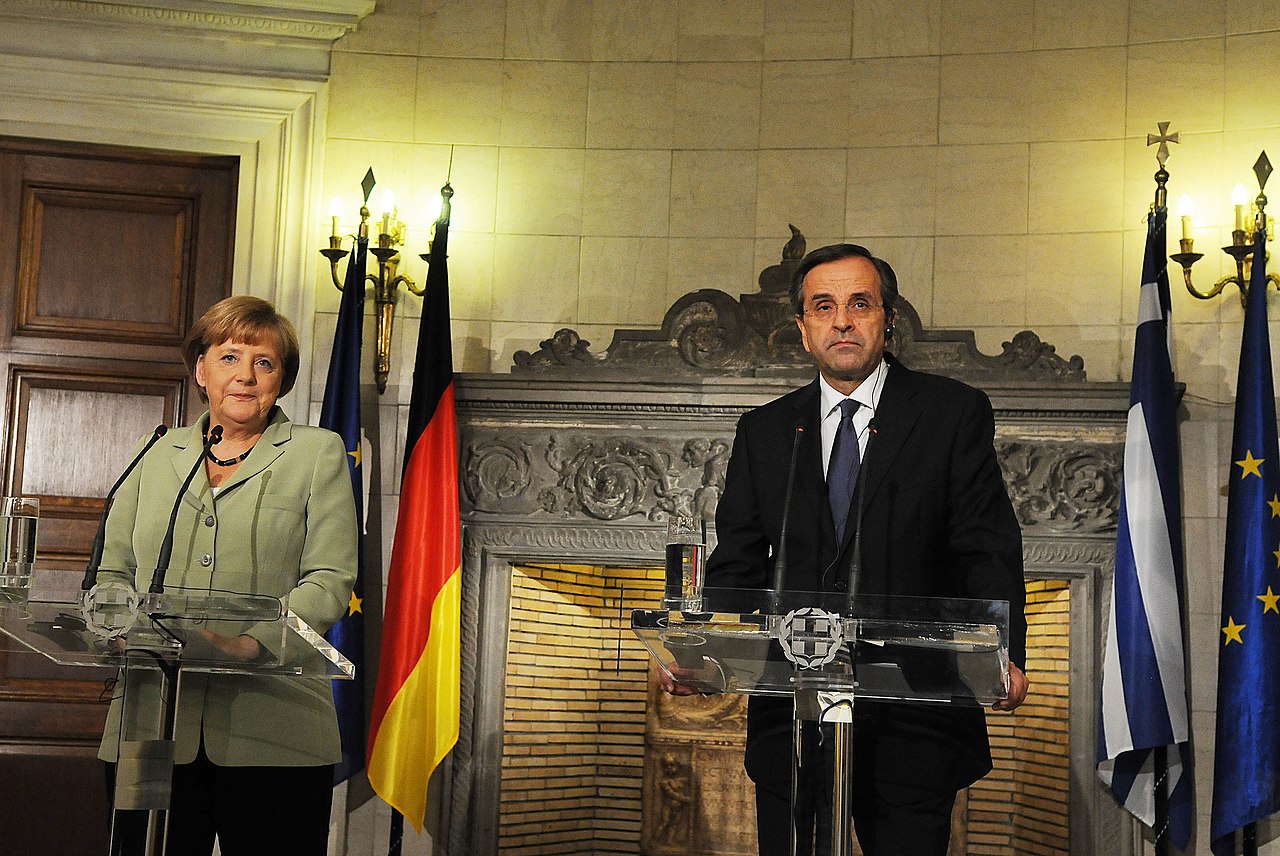

Overview and significance
Samaras is a long-standing figure in modern Greek politics. He has held several senior cabinet posts and is recognized for steering a government that negotiated further international bailout agreements and implemented fiscal consolidation measures. His time in office was marked by economic reform efforts, social tension, and polarized public opinion about austerity policies.
Career and offices
Across more than three decades in public life, Samaras occupied both ministerial and party leadership roles. Early in his career he served briefly as Minister of Finance in 1989 and then as Minister of Foreign Affairs from 1989 into the early 1990s. He later became leader of New Democracy and was prime minister between 2012 and 2015, leading a coalition government tasked with meeting creditor demands while managing domestic political fallout.
- Minister of Finance (1989)
- Minister of Foreign Affairs (1989–1992)
- Leader of New Democracy (served as party leader in the late 2000s and early 2010s)
- Prime Minister of Greece (2012–2015)
Policies, challenges, and controversies
Samaras’s administration focused on fiscal consolidation, privatizations, structural reforms and meeting the conditions set by Greece’s international creditors. Supporters argued these steps were necessary to restore market confidence and fiscal stability; critics contended the measures intensified recessionary pressures and social hardship. His government faced frequent protests and political opposition as austerity programs continued to reshape public services and labor markets.
Legacy and later developments
The lasting assessment of Samaras’s tenure remains mixed. He is credited by some for keeping Greece within the eurozone through difficult negotiations; others fault the social cost of the imposed adjustments. After leaving the premiership in early 2015, he remained a notable voice within Greek politics and a reference point in debates over the country’s economic course and international relations.
For further context on contemporary Greek politics and Samaras’s role, consult profile summaries and timelines from reputable sources and political analyses that trace the evolution of New Democracy and Greece’s post-crisis recovery efforts.
Related articles
Author
AlegsaOnline.com Antonis Samaras: Greek politician and former prime minister Leandro Alegsa
URL: https://en.alegsaonline.com/art/114458
Sources
- ekathimerini.com : "As good as it gets"
- bbc.co.uk : "Profile: Greek conservative leader Antonis Samaras"