
Ali Mazrui: Kenyan scholar of African and Islamic studies
Biographical and intellectual overview of Ali Mazrui (1933–2014), a Kenyan-born academic known for work on African identity, Islam in Africa, North–South relations, media commentary and public scholarship.
Overview
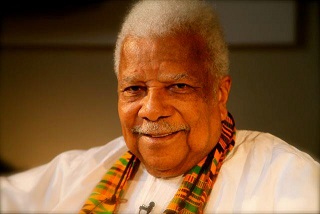
Ali Al'amin Mazrui (24 February 1933 – 12 October 2014) was a Kenyan-born scholar, public intellectual and political writer whose work shaped contemporary debates about Africa, Islam and global inequality. Mazrui combined academic research with broadcasting and public commentary, reaching wide audiences beyond the academy. He is remembered for arguing that Africa's modern condition must be understood through history, cultural interaction and global power relations.
Image gallery
2 Images
Early life and background
Mazrui was born in Mombasa, Kenya, and later pursued an international academic career. He wrote and lectured in English while engaging both African and Islamic intellectual traditions. His public roles bridged scholarly analysis and media presentation, allowing complex ideas to reach policymakers and general audiences.
Academic career and positions
Mazrui held professorial appointments and visiting posts at institutions in Africa, Europe and North America. He served as the Albert Schweitzer Professor in the Humanities and as director of the Institute of Global Cultural Studies at Binghamton University. Throughout his career he addressed themes that crossed disciplinary boundaries: history, political science, cultural studies and international relations.
Main themes and major works
His scholarship focused on three broad areas: African studies, Islamic studies and North–South relations. He examined the legacy of colonialism, the role of Islam in African societies, and the political economy of global inequality. Mazrui wrote books and articles and produced documentary programs designed to explain these issues to broad audiences. One of his best-known public projects was the documentary series often referred to as "The Africans," which explored competing influences on the continent.
- Comparative analyses of culture and power
- Interpretations of Islam's role in African identity
- Critiques of unequal international structures and North–South relations
Public engagement, reception and controversies
Mazrui frequently moved between academic and popular forums. His willingness to address sensitive political and religious topics produced both praise and criticism. Supporters highlighted his erudition and ability to synthesize diverse sources; critics sometimes challenged his interpretations or found his media presentations provocative. These debates contributed to his visibility and influence.
Legacy and significance
Mazrui's work remains influential in African and Islamic studies and in discussions of global cultural politics. He helped popularize the idea that Africa's present must be read through intersecting histories—local, regional and global—and he encouraged scholars and citizens to weigh cultural identity alongside material and political forces. His death in Binghamton, New York, in 2014 marked the close of a long public career, but his writings and broadcasts continue to be discussed by students, scholars and commentators.
For further reading and resources, see materials on his life and writings as well as institutional archives and documentary records: biographical sources, work on African and Islamic studies, and institutional collections at Binghamton University.
Related articles
Author
AlegsaOnline.com Ali Mazrui: Kenyan scholar of African and Islamic studies Leandro Alegsa
URL: https://en.alegsaonline.com/art/113845
Sources
- monitor.co.ug : "Professor Ali Mazrui Dies In US"
- independent.co.ug : "Who Was Professor Ali Mazrui?"
- capitalfm.co.ke : "Mazrui To Be Buried Saturday In Mombasa"