
Alberto Sordi: Italian actor, comedian and cinematic chronicler
Alberto Sordi (1920–2003) was a leading Italian actor, voice artist, director and comedian. A central figure in commedia all'italiana, he won seven David di Donatello awards and a Venice lifetime Golden Lion.
Alberto Sordi (15 June 1920 – 24 February 2003) was one of the most recognizable figures of Italian cinema in the twentieth century. Born and based in Rome, he built a long and varied career as an actor, voice artist, singer, composer, comedian, director and screenwriter. Sordi became famous for a distinctive comic persona: expressive, often Roman-inflected, ready to expose the hypocrisies and small vanities of ordinary people while remaining oddly sympathetic to them.
Image gallery
5 Images
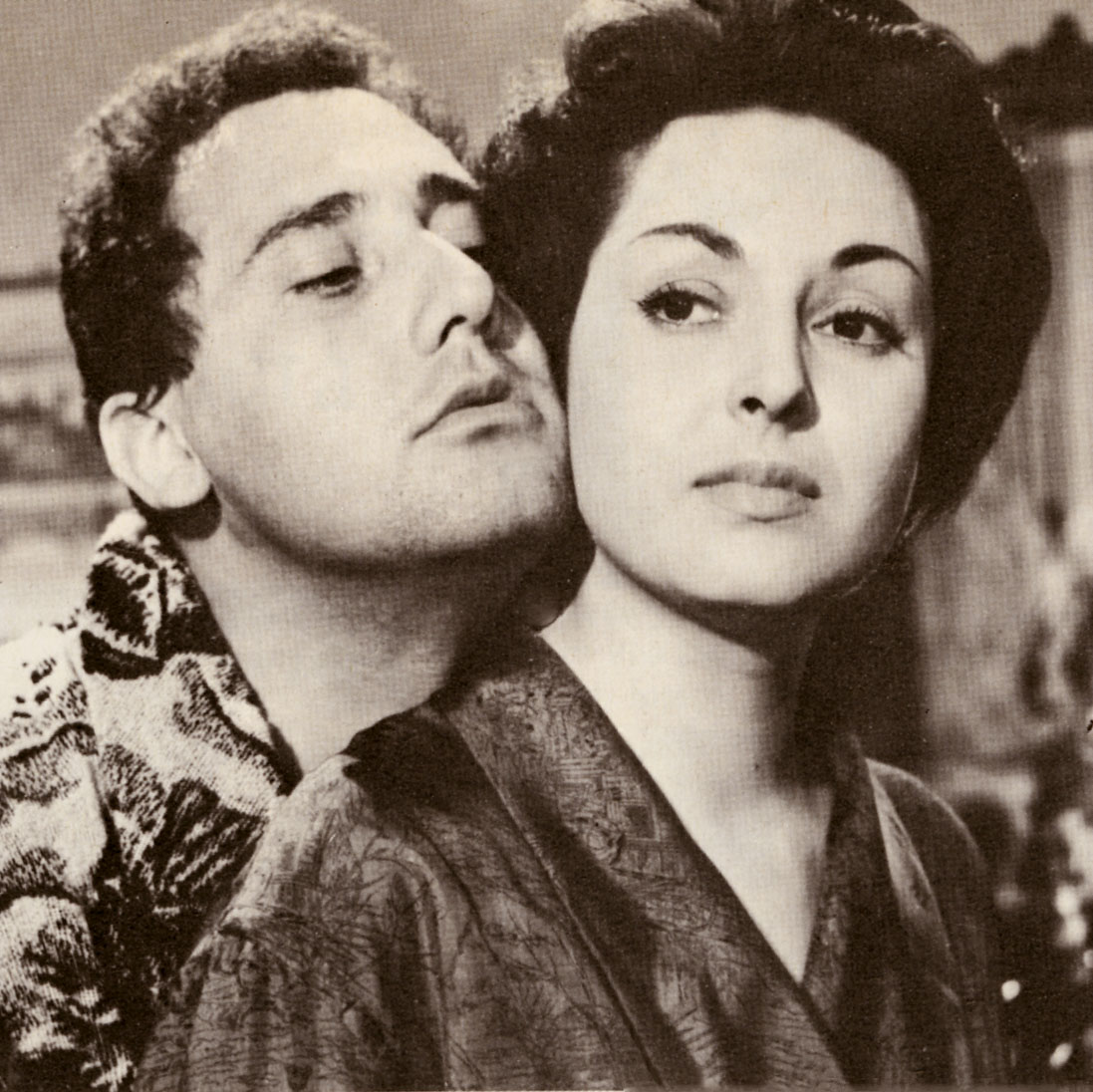


Early career and voice work
Sordi began working in radio and dubbing at a time when sound broadcasting and cinema were expanding in Italy. Early experience as a voice actor sharpened his timing and his ear for regional speech, skills he later brought to his film characters. He also worked in theatre and on the variety circuits before establishing himself on screen.
Film breakthrough and notable roles
Across a career of several decades Sordi alternated supporting parts and starring vehicles. He appeared in important postwar films and in many comedies that have since become classics. Among his best remembered screen appearances are I Vitelloni (1953), a Federico Fellini film in which he played a vivid supporting role; Un americano a Roma (1954), a popular comedy that showcased his gift for characterisation; and La grande guerra (The Great War, 1959), a film that combined humour with serious themes about conflict and sacrifice.
Artistic profile and themes
Sordi is often associated with the commedia all'italiana tradition: his work mixed broad comedy and satirical edge with an interest in social manners and contemporary mores. He frequently embodied figures who were at once comic and morally ambiguous—petty, vain, resourceful or self-deluding—which made his characters feel truthful and recognisable to wide audiences. Directors he worked with included leading names of the era, and his collaborations helped shape the tone of Italian comedy for generations.
Directing, writing and later work
In addition to acting, Sordi directed and wrote several films. He maintained a steady public presence into the later years of his life, returning to memorable roles and contributing to the Italian film industry as both a performer and a creative voice. His nickname among the public was often "Albertone", a sign of his popular stature.
Awards and legacy
Official recognition followed his long contribution to cinema: he won seven David di Donatello awards, among other national prizes. In 1995 he received a Golden Lion for lifetime achievement at the Venice Film Festival. He also received international honours during his career and is remembered today as a central interpreter of twentieth-century Italian life on screen.
Alberto Sordi died in Rome in 2003. His films are still screened and studied for their combination of comic energy and social observation, and his name remains a reference point when discussing Italian cinema and the representation of everyday characters in film.
- Born: 15 June 1920, Rome
- Died: 24 February 2003, Rome
- Notable films: I Vitelloni (1953), Un americano a Roma (1954), La grande guerra (1959)
- Awards: multiple David di Donatello prizes, Venice Golden Lion for lifetime achievement
Related articles
Author
AlegsaOnline.com Alberto Sordi: Italian actor, comedian and cinematic chronicler Leandro Alegsa
URL: https://en.alegsaonline.com/art/113552