
Ala-ud-din Khalji
Sultan of the Delhi Sultanate (1296–1316) known for military expansion, market and revenue reforms, and a strong centralised administration under the Khalji dynasty.
Overview
Ala-ud-din Khalji (reigned 1296–1316) was one of the most powerful rulers of the Khalji line that controlled the Delhi Sultanate. He came to power after overthrowing his uncle and predecessor and adopted the title Sikandar-i-Sani, or "Second Alexander," reflecting his ambition to expand and consolidate authority. His reign is marked by sustained military campaigns, efforts to reorganize finance and the army, and strict social regulations.
Image gallery
10 Images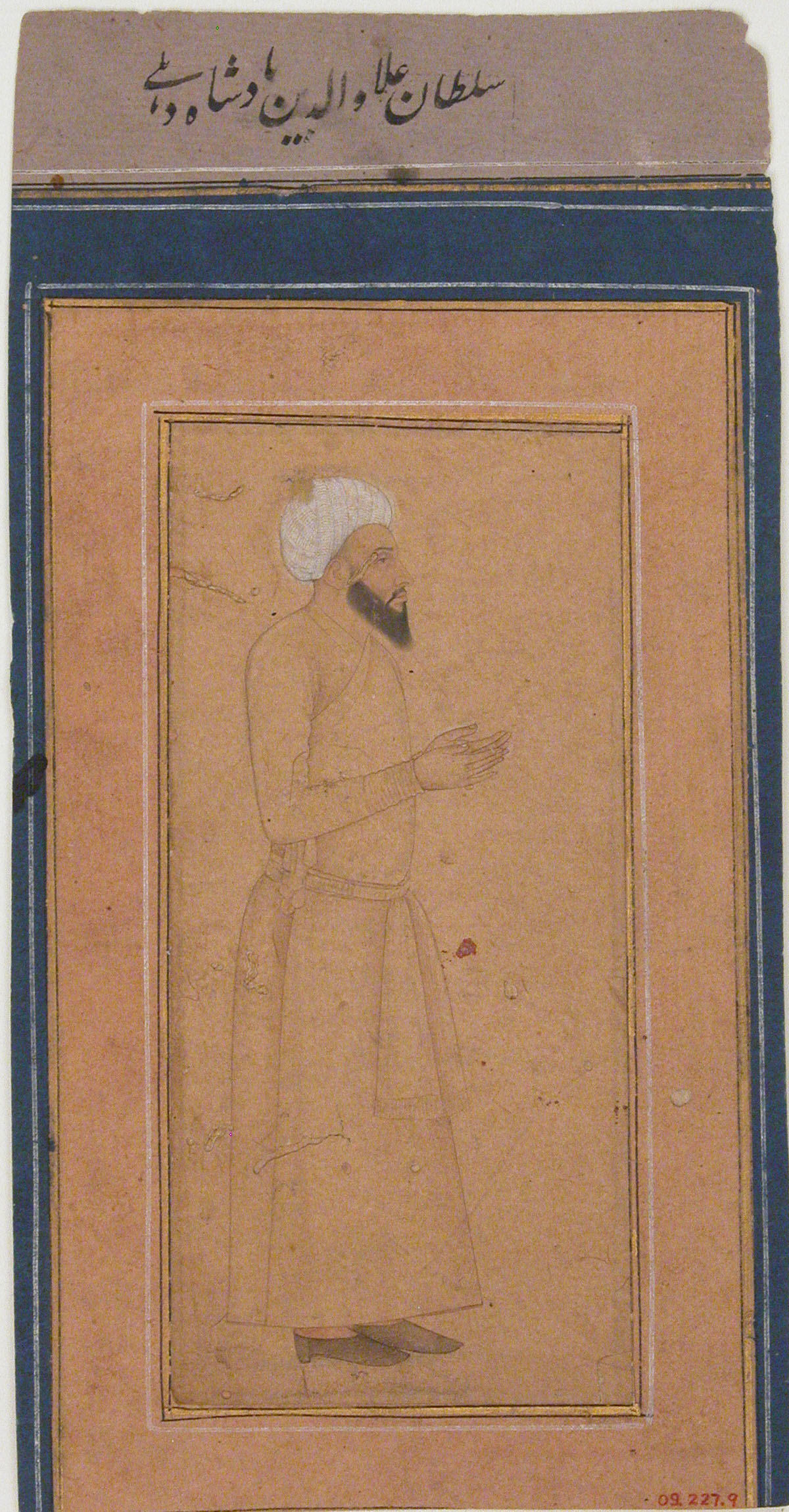
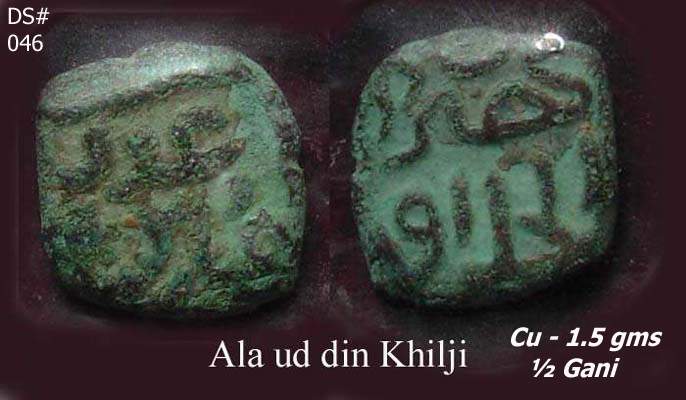



Origins and rise to power
Ala-ud-din belonged to the Khalji family and was related by blood and marriage to the dynasty's founder. He seized the throne in a palace coup and then worked to eliminate rivals and to curb the independent power of provincial chiefs. Contemporary chroniclers describe his seizure of power as fierce and decisive; later administrations built on the centralized structures he put in place. For background on the dynasty and its context see Khalji dynasty.
Reforms, administration and economy
Ala-ud-din introduced a series of administrative and economic measures intended to strengthen the central state and to finance a large standing army. Measures attributed to his government include regulated market prices for grain, cloth and horses, strict control over supplies, and centralized collection of revenue. He sought to prevent nobles from accumulating independent wealth by restricting private trade and imposing checks on household expenditure. These steps were enforced by a network of officials and agents who monitored markets and the movements of troops.
Military campaigns and expansion
Military achievement was a central feature of his reign. Ala-ud-din led or commissioned campaigns that extended control into Rajput strongholds and across the Deccan. Well-known expeditions under his commanders reached southern kingdoms and brought vast sums of tribute and booty back to the capital. He also fortified the northern frontiers against repeated incursions by steppe warriors and maintained a disciplined, cash-paid army, which was a departure from purely feudal arrangements. For summaries of specific campaigns and their routes see military records and accounts at historical collections.
Social policies and notable measures
Beyond military and fiscal actions, his rule included social regulations such as bans on certain public behaviours and restrictions on how nobles and officials displayed wealth. Sources often mention strict rules on public drinking and controlled access to the royal court. These measures were intended to project order and to limit the influence of rival power-brokers. The combination of strict internal discipline and outward expansion made his reign distinctive among Delhi Sultans.
Death, succession and legacy
Ala-ud-din died in 1316; his death was followed by a period of palace intrigue and a fast-changing succession. Several short-lived rulers and usurpations followed, reflecting the fragility of dynastic politics despite the strong institutions he left behind. Historians credit him with creating a more centralized state apparatus and a professional army, while also noting the heavy fiscal demands his policies imposed on the countryside. His life and reign remain a frequent subject of study for those interested in medieval South Asian politics; see further discussion at scholarly summaries.
- Main achievements: territorial expansion, market regulation, a paid standing army.
- Administrative traits: centralisation, surveillance of markets, limitations on noble autonomy.
- Historical significance: shaped the later development of the Sultanate’s bureaucracy and military structures.
Questions and answers
Q: Who was Ala-ud-din Khalji?
A: Ala-ud-din Khalji was the second ruler of the Khalji dynasty and the most powerful one.
Q: How long did Ala-ud-din Khalji rule?
A: Ala-ud-din Khalji ruled from 1296 to 1316.
Q: Who was Jalal-ud-din Khalji?
A: Jalal-ud-din Khalji was the uncle and father-in-law of Ala-ud-din Khalji.
Q: Did Ala-ud-din Khalji have any children?
A: Yes, Ala-ud-din Khalji had a son named Khusrau Malik.
Q: What title did Ala-ud-din Khalji take for himself?
A: Ala-ud-din Khalji took the title ‘Sikander-i-Sani’ as he wished to become the second Alexander.
Q: What did Ala-ud-din Khalji ban in his kingdom?
A: Ala-ud-din Khalji banned drinking of alcohol in open in his kingdom.
Q: What dynasty did Ala-ud-din Khalji belong to?
A: Ala-ud-din Khalji belonged to the Khalji dynasty.
Related articles
Author
AlegsaOnline.com Ala-ud-din Khalji Leandro Alegsa
URL: https://en.alegsaonline.com/art/113453
Sources
- britannica.com : "Khalji Dynasty"
- factsninfo.com : "Interesting facts and history of Alauddin Khilji:the second Alexander"
- importantindia.com : "History and Biography of Alauddin Khilji - Important India"