
Adrian Fenty
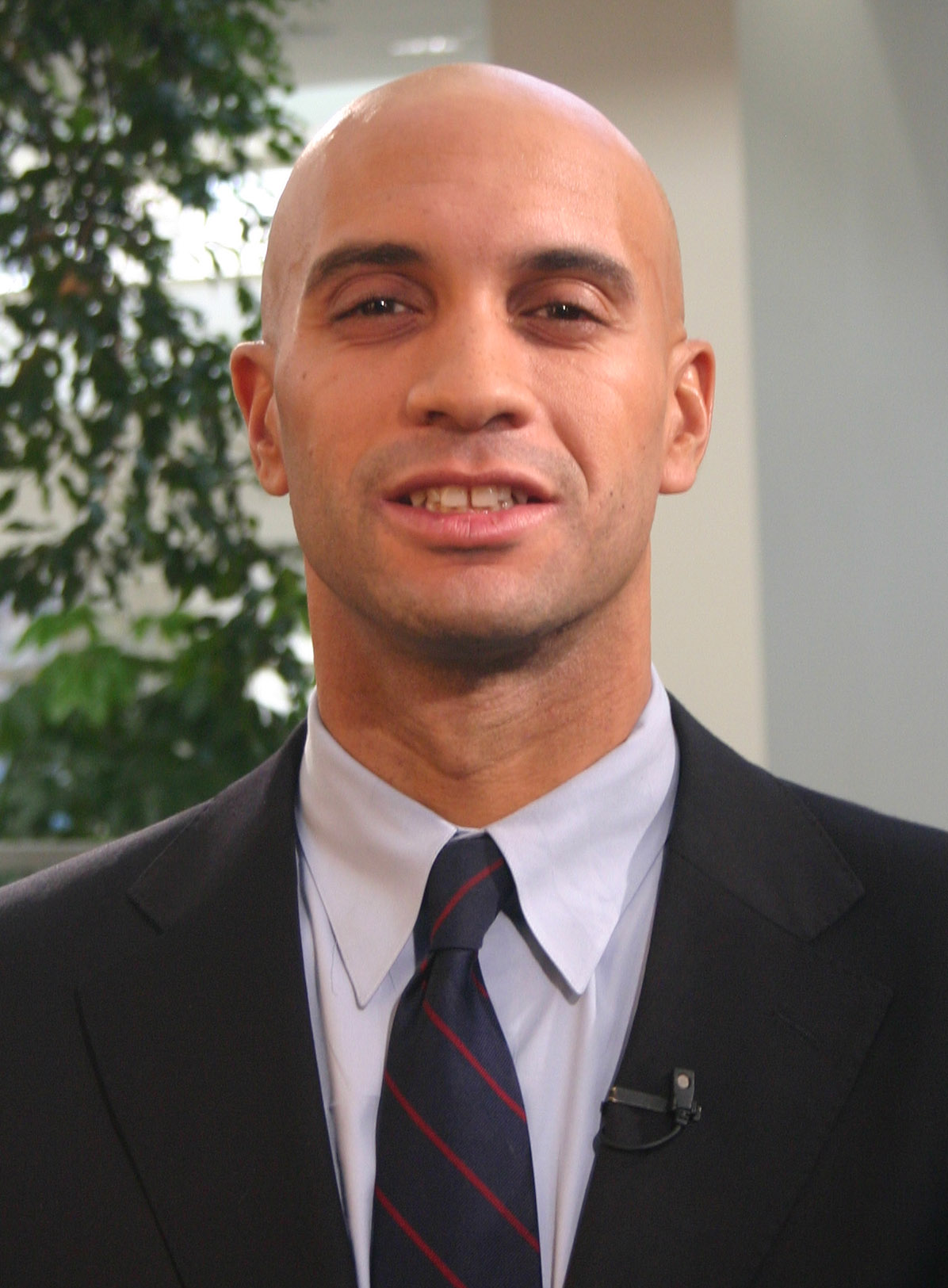
Adrian Fenty (born 1970) served as the sixth and youngest Mayor of Washington, D.C. (2007–2011). He gained national attention for aggressive urban education reforms and a contentious 2010 re-election loss.
Adrian Malik Fenty (born December 6, 1970) is an American politician who served as the sixth and youngest Mayor of the District of Columbia. A member of the Democratic Party, he held the mayoralty from 2007 until 2011 and became nationally known for pursuing sweeping changes in public education and city operations during his single term in office.
Image gallery
4 Images


Early life and political rise
Fenty was born in 1970 and grew up in the Washington, D.C. area. He attended college and later earned a law degree before entering local politics. He won election to the D.C. Council in the early 2000s, representing a residential ward and building a reputation as an energetic, hands‑on legislator focused on constituent services and neighborhood issues. His council experience set the stage for a successful mayoral campaign in 2006.
Mayoral priorities and policies
As mayor, Fenty prioritized several themes that he argued would improve the city’s long-term prospects: stronger management of municipal finances, modernization of public services and capital projects, neighborhood revitalization, and a major emphasis on public school performance. His administration consolidated authority over the school system and sought to raise accountability for student outcomes, teacher performance and school leadership.
Education reform and controversy
A signature move of the Fenty administration was the appointment of an outspoken school chancellor and an assertive approach to changing how the district’s public schools were run. These actions drew both praise and criticism: supporters applauded efforts to improve results and expand options such as charter schools, while critics charged the administration with insufficient community engagement and a top‑down style that strained relationships with teachers, unions and some neighborhood leaders.
Electoral defeat and legacy
Fenty’s reform agenda and governing style contributed to a competitive 2010 Democratic primary in which he was defeated by Vincent C. Gray, who went on to win the general election. Analysts and historians commonly characterize Fenty’s legacy as mixed: he is credited with pushing significant change and raising national debate about urban education, but his tenure also highlighted the political risks of rapid reform and the importance of local coalition building.
Notable facts and influence
- Youngest person elected mayor of the District of Columbia at the time of his election.
- Elevated the district’s education policies to national attention and influenced discussions about school accountability and charter expansion.
- After leaving office, he remained a figure of interest in discussions of urban policy and education, with public commentary focusing on both results and lessons for political leadership.
Questions and answers
Q: Who is Adrian Fenty?
A: Adrian Malik Fenty is the sixth and youngest Mayor of the District of Columbia.
Q: What was Adrian Fenty known for?
A: Adrian Fenty was a national leader in urban education reform.
Q: Did Adrian Fenty win his re-election bid in 2010?
A: No, Adrian Fenty lost his re-election bid in the 2010 Democratic primary.
Q: Who won the general election for mayor of the District of Columbia in 2010?
A: Vincent C. Gray won the general election for mayor of the District of Columbia in 2010.
Q: What was Adrian Fenty's birthdate?
A: Adrian Fenty was born on December 6, 1970.
Q: What political party did Adrian Fenty belong to?
A: Adrian Fenty belonged to the Democratic Party.
Q: What was the outcome of the 2010 Democratic primary for the mayoral position in the District of Columbia?
A: Adrian Fenty lost the 2010 Democratic primary for the mayoral position in the District of Columbia.
Related articles
Author
AlegsaOnline.com Adrian Fenty Leandro Alegsa
URL: https://en.alegsaonline.com/art/113352
Sources
- washingtoninformer.com : "Voters Guide 2006 Supplement"
- npr.org : "The Nation's Capital Gets a New Mayor"
- washingtonpost.com : "Adrian Fenty in the Democratic Primary for DC Mayor,"
- washingtonian.com : "Adrian Fenty: Born to Run"
- fleetfeetdc.com : Fleet Feet D.C.
- cherryblossom.org : "Cherry Blossom Ten Miler searchable results, 2003–2009"
- fenty06.com : About Adrian
- washingtonpost.com : "Kwame Jackson Promotes Fenty"
- voices.washingtonpost.com : "Mayor Fenty's Family Welcomes Baby Girl"
- washingtonpost.com : "Fenty's Fitness for Office"
- highbeam.com : "Council Member Jarvis Ousted in D.C. Primary; Fenty Defeats Veteran Lawmaker"
- dcboee.org : "Final and Complete Election Results"
- dcboee.org : "Certified Results"