
Abdullah Ahmad Badawi — Malaysian statesman and fifth prime minister
Profile of Tun Abdullah Ahmad Badawi, Malaysian politician who served as prime minister from 2003–2009, his career, policies (including Islam Hadhari), elections, and legacy.
Abdullah Ahmad Badawi (born 26 November 1939) is a Malaysian political figure who led the country as prime minister from 2003 to 2009 and served as president of the United Malays National Organisation (UMNO). Known popularly as "Pak Lah," he succeeded Mahathir Mohamad and sought to promote a more moderate, consultative style of government. For a concise reference see Abdullah Ahmad Badawi.
Image gallery
7 Images


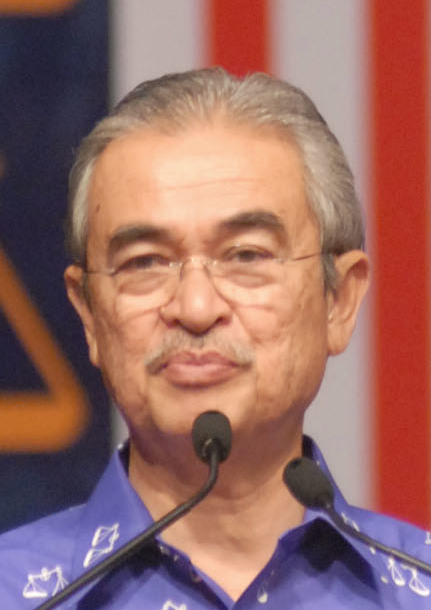
Early life and political rise
Abdullah entered public service and rose through UMNO and government ranks across several decades. He served in cabinet roles and became deputy prime minister in the late 1990s, positioning him as the natural successor when the long-serving prime minister stepped down. His leadership was rooted in party structures that have dominated Malaysian politics since independence.
Prime ministership (2003–2009)
As prime minister he emphasized clean governance, economic stability and social moderation. He launched the concept of "Islam Hadhari" (civilizational or progressive Islam), advocating an approach to Islam compatible with modern governance and plural society. His government pursued anti-corruption measures, administrative reforms and investments in infrastructure while maintaining Malaysia's role in regional diplomacy.
- Major policy themes: anti-corruption, administrative reform, moderate Islam.
- Electoral performance: a strong victory for the ruling coalition in 2004 followed by significant losses in the 2008 general election.
- Transition: stepped down as UMNO president and prime minister in 2009, succeeded by Najib Razak.
During his term Malaysia experienced both economic successes and political challenges. Initial popular support gave way to criticism over perceived slowness in implementing deeper reforms and concerns about rising opposition strength. The 2008 election marked a turning point that reshaped the domestic political landscape.
Legacy and later life
Abdullah is remembered for a gentler, consensus-oriented leadership style and for promoting a vision of Islam intended to be inclusive and development-focused. After leaving office he remained a respected elder statesman and figure within Malaysian politics. For further official summaries and timelines consult Prime Minister of Malaysia (2003–2009).
Notable facts: he is often referred to by his honorific Tun and by his nickname Pak Lah; his administration is associated with the Islam Hadhari initiative and with the electoral shifts that gave Malaysia a more competitive party system in subsequent years.
Related articles
Author
AlegsaOnline.com Abdullah Ahmad Badawi — Malaysian statesman and fifth prime minister Leandro Alegsa
URL: https://en.alegsaonline.com/art/113201
Sources
- themalaysianinsider.com : "Exit PM Pak Lah, enter Tun Abdullah" · webcitation.org