
Year 547 (Common year of the Julian calendar)
Overview of the year 547 CE: political situation in Byzantium and Persia, the Gothic War in Italy, the continuance of the Justinianic Plague, cultural life and the year's longer-term significance.
Overview
The year 547 was a common year of the Julian system, traditionally reckoned as beginning on a Tuesday in modern reconstructions of the calendar Julian calendar. As with many single-year entries from the mid-6th century, its significance is best understood in the context of broader political struggles, epidemics and cultural developments that shaped late antiquity.
Image gallery
1 Image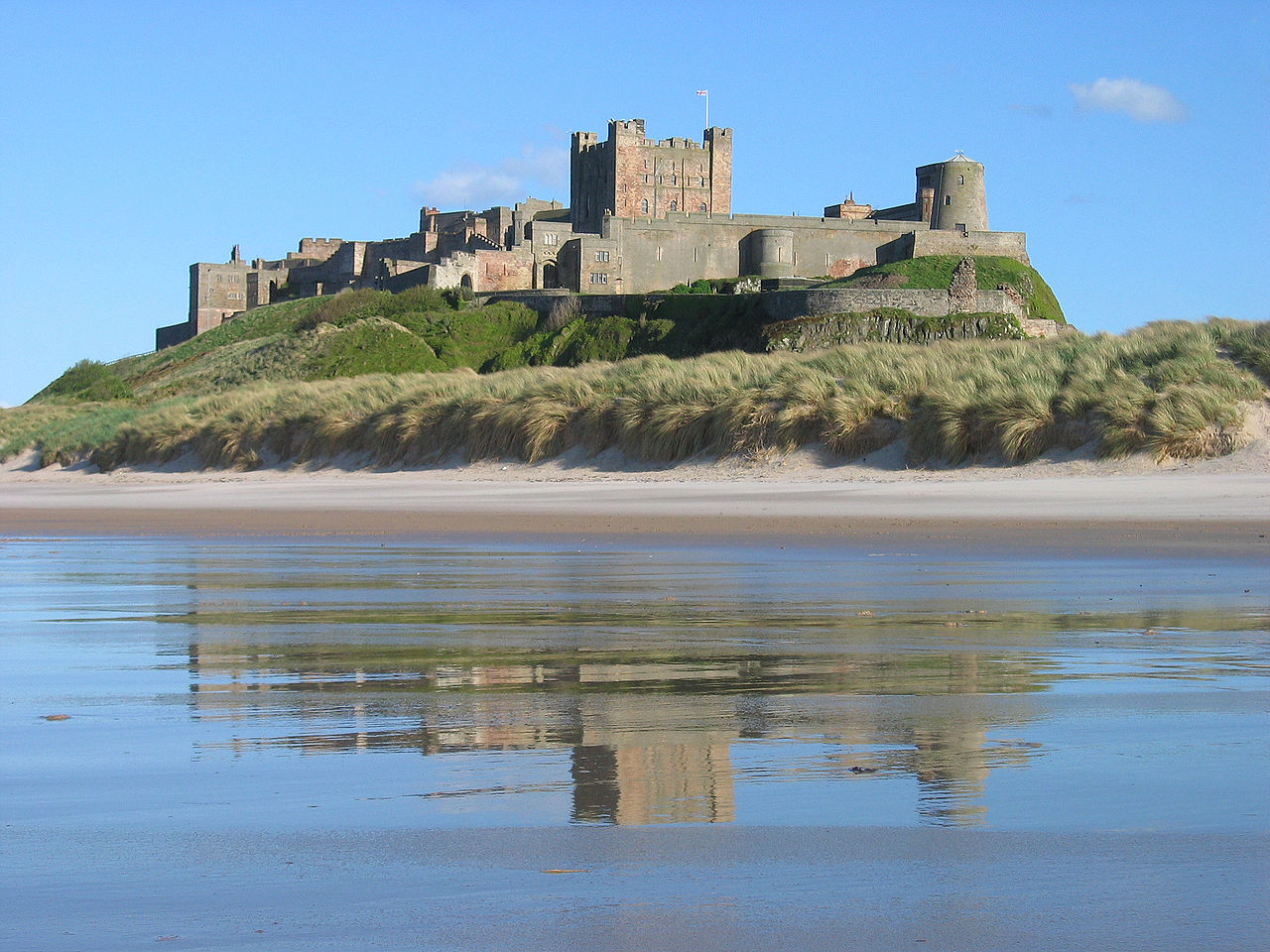
Political landscape
The principal powers of the period remained the Byzantine Empire under Emperor Justinian I and the Sasanian (Persian) Empire under Khosrow I. Justinian's ambitions to restore Roman authority in the West continued to drive military operations in Italy and elsewhere. The Gothic War, a prolonged conflict between Byzantium and the Ostrogothic Kingdom in Italy, was an ongoing and destabilising struggle that affected cities, countryside and trade.
Society, economy and health
The mid-6th century was marked by the long-term consequences of the Justinianic Plague, which first appeared in the 540s and recurred intermittently thereafter. Recurrent epidemics aggravated labour shortages, disrupted agriculture and reduced tax revenues, complicating imperial military and civil administration. Urban life and rural economies across the Mediterranean showed resilience but also clear stress from these demographic shocks.
Culture and administration
Even amid warfare and disease, administrative reform, law and church patronage remained active. Justinian's legal and architectural programs — including the continuing influence of earlier projects such as Hagia Sophia — shaped ecclesiastical and civic life. Artistic and religious communities across the Mediterranean and Near East produced works that reflect both continuity with Roman traditions and regional variation.
Regional notes and legacy
- Italy: contested by Byzantine forces and Ostrogoths; campaigns and sieges continued to leave cities damaged.
- Eastern frontiers: relations between Byzantium and Persia alternated between negotiation and rivalry under established rulers.
- Longer term: the pressures of war and plague in this period contributed to demographic and political shifts that shaped medieval Europe and the Near East.
Year-by-year narratives of the 6th century often focus on military events, but the era is equally significant for its social and economic transformations. 547 should therefore be read as a snapshot within a decade defined by state ambitions, epidemic disruption and cultural adaptation.
Related articles
Author
AlegsaOnline.com Year 547 (Common year of the Julian calendar) Leandro Alegsa
URL: https://en.alegsaonline.com/art/112972