
325 (AD) — Council of Nicaea and developments in Late Antiquity
Year 325 (AD) saw the First Council of Nicaea convened by Constantine, major steps in defining Christian doctrine and church order, and continued consolidation of imperial authority in the Roman world.
Overview
325 (CCCXXV) was a common year of the Julian calendar, set within the period historians call Late Antiquity. It followed the end of the civil wars that had reunited the Roman Empire under Constantine I and occurred at a moment when Christianity was shifting from a persecuted movement to an institution closely tied to imperial power.
Image gallery
1 Image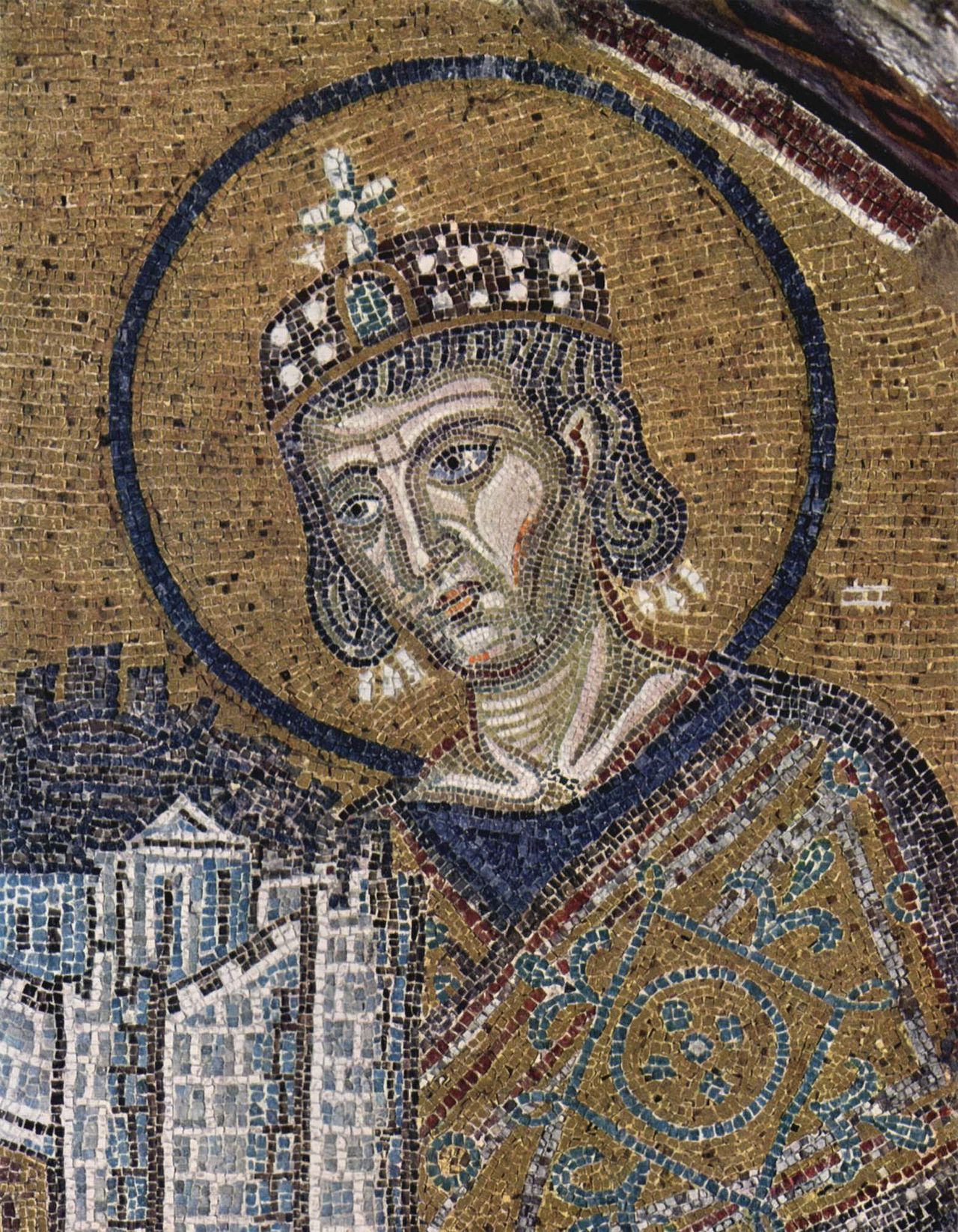
Political and imperial context
By 325 Constantine exercised effective control across the Roman world and took an active role in promoting unity. Imperial policy favored the restoration and endowment of Christian communities and the use of religious unity as an element of political stability. The emperor's involvement in ecclesiastical matters reflected a new pattern in which secular authority worked to influence or settle theological disputes.
First Council of Nicaea
The First Council of Nicaea, convened by Constantine at Nicaea in Bithynia, gathered bishops from across the empire to address a series of theological and disciplinary conflicts. The council confronted the teachings associated with Arius, debated the relationship between God the Father and Jesus Christ, and sought common practices for the wider church.
Decisions and immediate consequences
The council produced a conciliar statement of faith intended to clarify orthodox belief, affirmed key formulations about the Son's relationship to the Father (using the term commonly rendered as "of the same substance" in later summaries), and issued canons governing church order and discipline. It also sought to regularize the date for celebrating Easter and addressed questions of episcopal jurisdiction among major sees. While theological disputes persisted, the council established a precedent for imperial convocation and for creedal formulations as instruments of doctrinal settlement.
Other developments and legacy
Beyond the council, 325 falls within a decade of administrative and religious change: the imperial center was being reshaped by Constantine's policies, church organization continued to develop, and Christian worship and architecture increasingly received official support. The council's influence endured in how later churches and rulers approached doctrine, ecclesiastical law, and the relationship between church and state.
Significance
- Religious: Strengthened the role of ecumenical councils and creeds in defining orthodoxy.
- Political: Illustrated imperial engagement in religious affairs as a tool for unity.
- Long-term: Shaped patterns of theology, church governance, and church-state interactions in Late Antiquity and beyond.
Related articles
Author
AlegsaOnline.com 325 (AD) — Council of Nicaea and developments in Late Antiquity Leandro Alegsa
URL: https://en.alegsaonline.com/art/112824