
Year 313 (AD): Edict of Milan and developments in the late Roman world
Year 313 (a common year starting on Thursday in the Julian calendar) is best known for the Edict of Milan granting Christians legal toleration and for political realignment in the Roman Empire.
Overview
Year 313 was a common year beginning on Thursday under the Julian calendar. It sits in the early fourth century, a period of political transition across the Roman world and of accelerating change in religious life as Christianity moved from persecuted sect to legally tolerated religion.
Image gallery
1 Image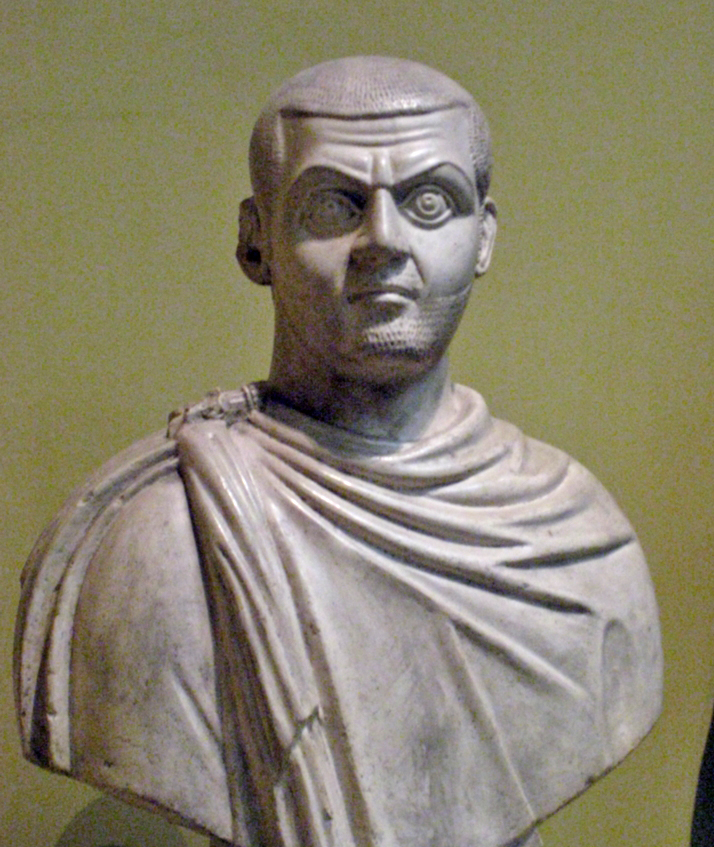
Roman Empire and the Edict of Milan
The most consequential event traditionally dated to 313 is the proclamation known collectively as the Edict of Milan. Issued by the emperors Constantine and Licinius, it declared religious toleration for Christians and ordered that property seized from Christian communities during earlier persecutions be returned. Although it did not make Christianity the state religion, the edict established a legal framework that allowed Christians to practice openly and to take part in public life.
Political context
313 occurred in the aftermath of military struggles that reshaped imperial leadership. Power remained divided among rival emperors and claimants, and alliances and conflicts continued to determine control over provinces. Administrative and military pressures — including border defense and internal rivalries — shaped imperial policy throughout the period.
Other regions and cultures
Beyond the Roman sphere, the early fourth century was marked by migrations, regional fragmentation, and dynastic struggles in parts of Eurasia and North Africa. Cities, trade routes, and local polities experienced varying degrees of continuity and disruption, reflecting broader patterns of political change across the late antique world.
Significance and legacy
The legal recognition of Christianity in 313 is widely viewed as a turning point: it opened state institutions to Christian leaders and encouraged the religion's institutional development. Over subsequent decades this change contributed to deeper entanglement between church and imperial authorities and to the growth of Christian infrastructure, such as churches and charitable institutions.
Notable events and themes
- Legal toleration for Christianity and restitution of property.
- Continued competition for imperial power among rival rulers.
- Regional instability and cultural adjustment across Eurasia.
Year 313 therefore stands as a compact indicator of wider transformations: legal and religious change in the Roman Empire, diplomatic and military realignment among its rulers, and the shifting landscape of late antiquity more broadly.
Related articles
Author
AlegsaOnline.com Year 313 (AD): Edict of Milan and developments in the late Roman world Leandro Alegsa
URL: https://en.alegsaonline.com/art/112813