
Bicep curl
A common resistance exercise targeting the muscles of the front upper arm, performed in many grip and equipment variations for strength, size, and functional arm use.
Overview
The bicep curl is a basic isolation movement in resistance training that primarily targets the muscles on the front of the upper arm. In its simplest form a weight is held in the hand while the elbow bends to lift the hand toward the shoulder. It is widely used in strength training, bodybuilding, rehabilitation and general fitness because it focuses force production at the elbow joint.
Image gallery
4 Images

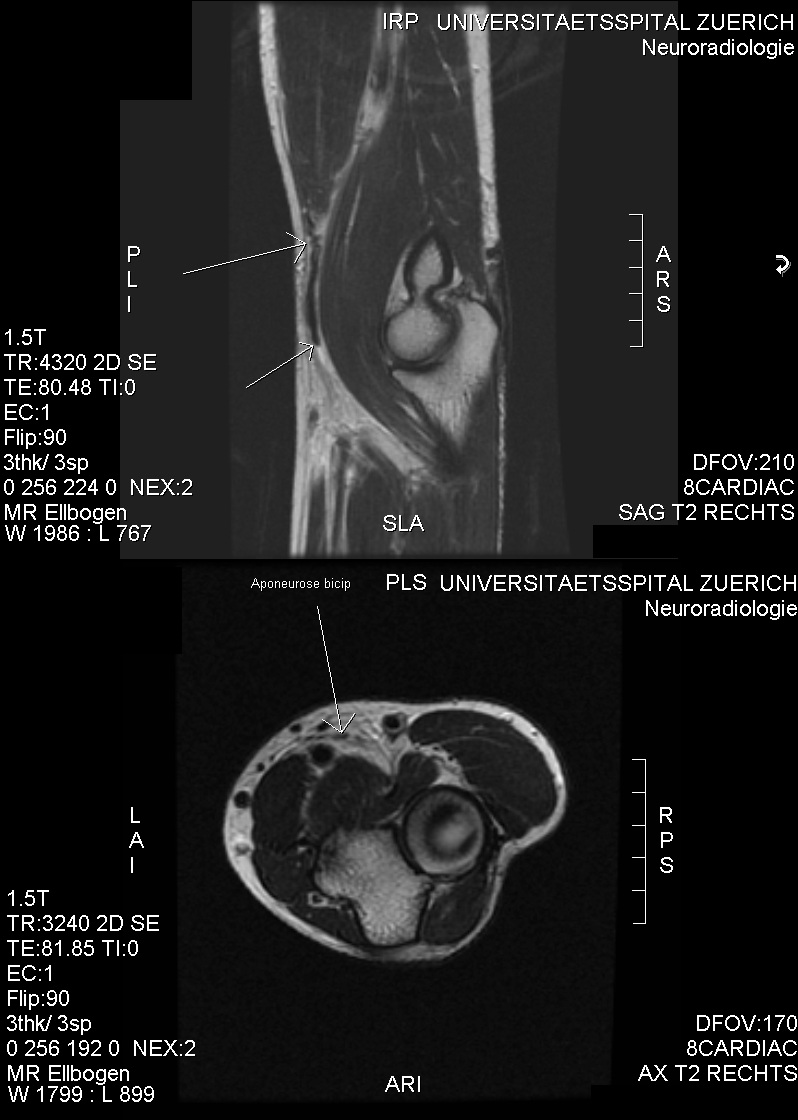

Anatomy and what it trains
The exercise mainly stresses the biceps brachii, which performs elbow flexion and contributes to forearm supination. Secondary muscles include the brachialis (under the biceps) and the brachioradialis of the forearm. Grip and wrist position change which of these muscles is emphasized: for example, a palm-up grip loads the biceps more, while a neutral grip shifts work toward the brachioradialis.
Common variations
- Standing or seated dumbbell curl — single-arm control and independent limb development.
- Barbell curl — both arms move together, allows heavier loads for strength.
- Hammer curl — neutral (thumb-up) grip, emphasizes brachioradialis.
- Preacher curl — performed on a sloped pad to reduce shoulder involvement and isolate the elbow.
- Reverse curl — palms-down grip to target forearm extensors and alter stimulus.
- Cable and band curls — provide constant tension through the range of motion.
Technique and safety
Effective curls use a controlled tempo, a stable elbow position, and a full, pain-free range of motion. Common faults include swinging the torso to lift heavier weight, allowing the elbow to drift forward, and overflexing the wrist. These reduce effectiveness and increase risk of strain. Progression typically increases load, repetitions, or time under tension rather than sacrificing form.
Uses, benefits and distinctions
Bicep curls are valuable for developing elbow flexion strength and muscle size, improving the ability to carry and lift objects, and enhancing appearance. They are an isolation movement, so they complement compound exercises such as rows and chin-ups rather than replace them. In rehabilitation contexts, lighter curls can restore strength after injury when performed under guidance.
Practical tips
- Choose a weight that allows controlled movement for the target rep range.
- Keep the upper arm stationary; only the forearm should move for strict curls.
- Vary grips and angles over time to develop balanced arm musculature.
- If pain occurs in the elbow or wrist, reduce load, change grip, or consult a professional.
Related articles
Author
AlegsaOnline.com Bicep curl Leandro Alegsa
URL: https://en.alegsaonline.com/art/11255