
1986–87 NHL season — the 70th National Hockey League campaign
Summary of the 1986–87 NHL season: 21 teams, 80 games, divisional playoff format, and Edmonton Oilers' seven-game Stanley Cup victory over the Philadelphia Flyers.
The 1986–87 season was the 70th campaign of the National Hockey League. Twenty-one clubs each completed an 80-game regular schedule. The year is remembered for high scoring, a familiar playoff structure, and a dramatic Stanley Cup Final that went the distance: the Edmonton Oilers defeated the Philadelphia Flyers four games to three to win the title.
Image gallery
1 Image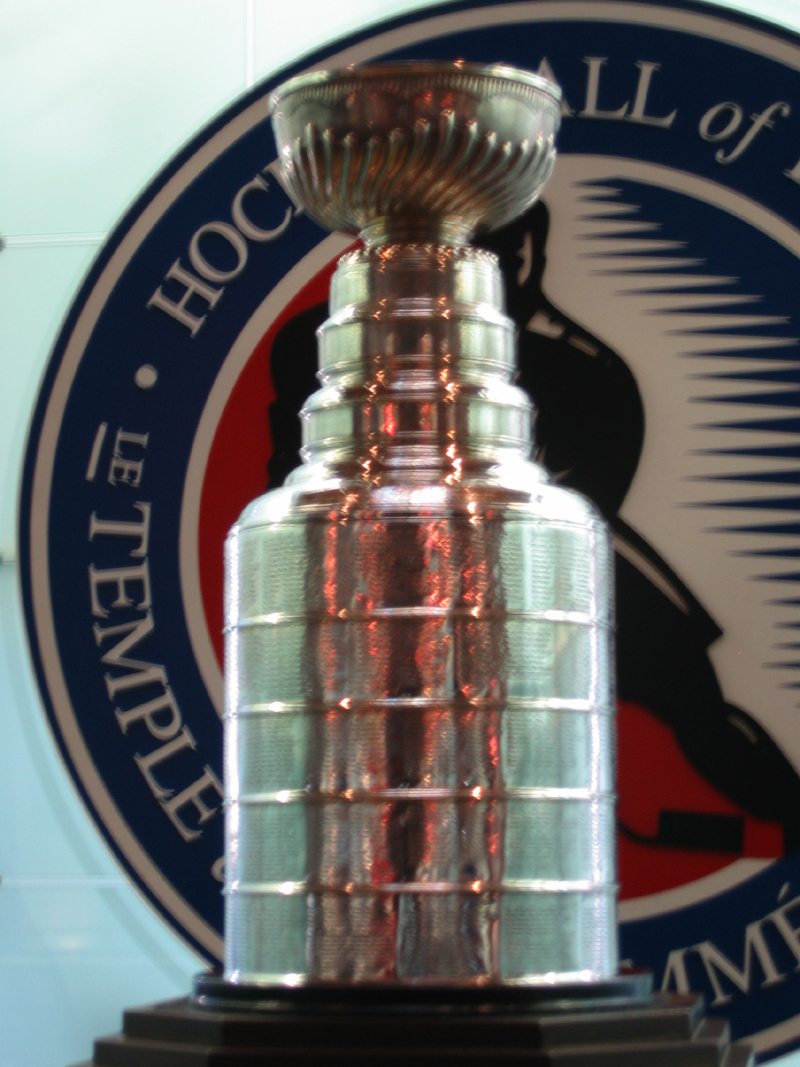
Format and schedule
Teams were organized into four divisions; the regular season determined divisional rankings and the top four teams in each division qualified for the postseason. The 16 qualifying teams advanced through best-of-seven series in a bracket that preserved divisional rivalries through the early rounds, a format that emphasized playoff matchups inside each division before inter-division play in later rounds.
Regular-season characteristics
The mid-1980s NHL featured an offensive style that produced high individual and team scoring totals. Several franchises and players produced standout offensive numbers and memorable performances, and goaltenders faced sustained pressure in many games. The pace and scoring of this era shaped how teams constructed rosters, pairing dynamic forwards with mobile defensemen and fast transition play.
Playoffs and Stanley Cup Final
Playoff rounds produced intense series and occasional upsets en route to the final matchup between Edmonton and Philadelphia. The Final stretched to seven games, with momentum shifting multiple times before the Oilers secured the championship. That Cup added to Edmonton's run of success during the 1980s and underscored the club's collection of elite scorers and strong goaltending.
Notable players and teams
- Edmonton featured a core of high-profile scorers and playmakers alongside reliable goaltending, contributing to their repeated deep playoff runs.
- Philadelphia reached the Final behind a blend of power forwards, skilled wingers, and aggressive defensive tactics that defined their identity that season.
- Across the league, several individual performers emerged as scoring threats and key contributors for their clubs.
The 1986–87 campaign sits within a broader period of NHL history defined by offensive innovation and the consolidation of several franchises as perennial contenders. For a season overview and team-by-team results, consult the season summary pages and archives: season overview, league records at NHL, details on the Oilers at Edmonton Oilers, the Stanley Cup history at Stanley Cup, and club history for the Flyers at Philadelphia Flyers.
Questions and answers
Q: What NHL season was held in 1986-87?
A: The 1986-87 NHL season was held.
Q: How many teams played in the 1986-87 NHL season?
A: A total of 21 teams competed in the 1986-87 NHL season.
Q: How many games did each team play in the 1986-87 NHL season?
A: Every team played 80 games in the 1986-87 NHL season.
Q: Which team won the Stanley Cup in the 1986-87 NHL season?
A: The Edmonton Oilers emerged as the winners of the Stanley Cup in the 1986-87 NHL season.
Q: How did the Edmonton Oilers win the Stanley Cup in the 1986-87 NHL season?
A: The Edmonton Oilers achieved a victory over the Philadelphia Flyers in the Cup finals by winning four games out of seven.
Q: How many games were played in the Stanley Cup finals of the 1986-87 NHL season?
A: The Cup finals of the 1986-87 NHL season consisted of a total of seven games.
Q: What was the result of the Stanley Cup finals in the 1986-87 NHL season?
A: The Edmonton Oilers won the Stanley Cup in the 1986-87 NHL season by defeating the Philadelphia Flyers in the finals.
Related articles
Author
AlegsaOnline.com 1986–87 NHL season — the 70th National Hockey League campaign Leandro Alegsa
URL: https://en.alegsaonline.com/art/112202
Sources
- hockeydb.com : Hockey Database
- nhl.com : NHL.com