
1962 Formula One season
Graham Hill won the 1962 World Championship. Overview of the season, teams and cars, key themes, and its place in the early 1960s 1.5-litre era of Formula One.
Overview
The 1962 Formula One season was contested as a World Championship of Drivers and comprised a series of Grand Prix events run to the 1.5-litre engine regulations that had been adopted at the start of the 1960s. The year is best remembered for Graham Hill being crowned World Champion after a campaign in which consistency and mechanical reliability were as decisive as outright speed. Classics such as the Monaco, British and Italian Grands Prix formed part of a calendar that attracted established manufacturers and rising private teams alike.
Image gallery
10 Images


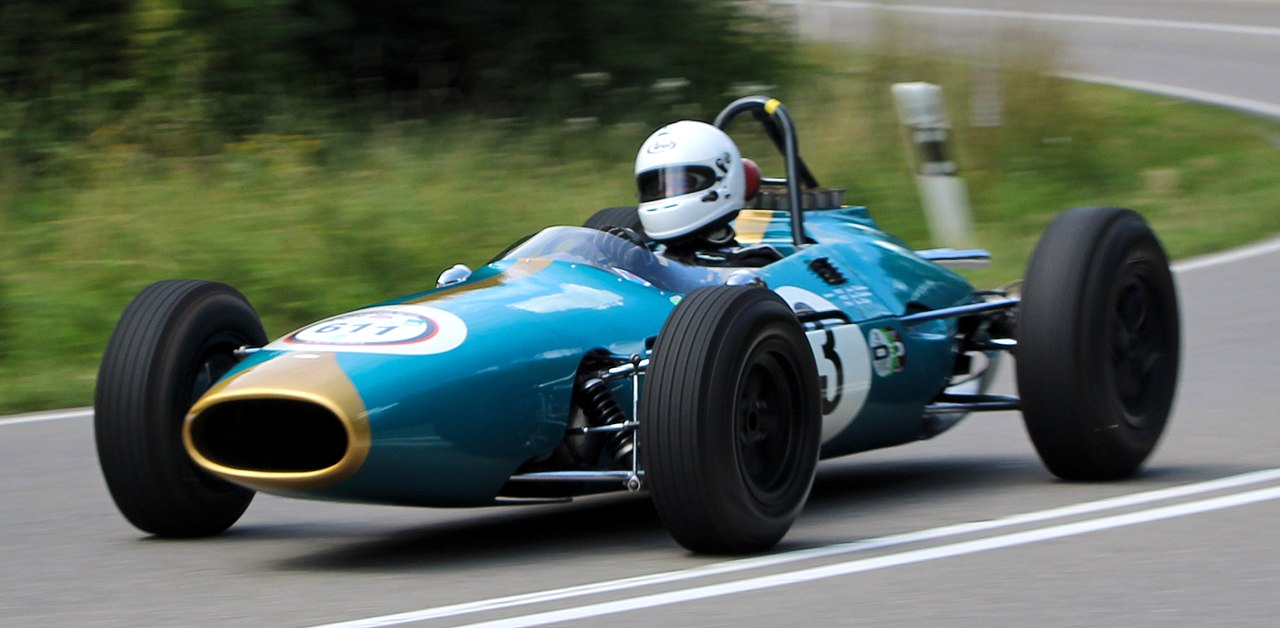


Teams, cars and technical context
Formula One in 1962 remained a period of rapid technical development within strict displacement limits. Manufacturers and independent constructors explored engine tuning, chassis balance and suspension improvements to gain an advantage. Established Italian and British concerns competed with specialist firms; among them were BRM, Lotus, Ferrari and Cooper, each seeking better handling and dependability to suit the tighter, lower-power formula.
Championship narrative
The championship unfolded as a contest of racecraft and endurance. Mechanical failures, weather and race incidents often reshuffled the finishing order, so drivers who combined speed with regular points finishes rose to the top of the standings. Hill’s campaign was marked by carefully judged drives and team support that allowed him to accumulate enough results to claim the title. Younger drivers and new teams also made their presence felt, signaling an ongoing generational shift in the sport.
Uses and importance
The 1962 season reinforced the importance of chassis development and race strategy under the 1.5-litre rules. Lessons learned that year influenced car design and race preparation in subsequent seasons and contributed to the emergence of Britain as a technical powerhouse in Grand Prix racing. Success in this era was as much about durability and team organization as it was about lap times.
Notable facts and legacy
Graham Hill’s title in 1962 established him among the leading drivers of the decade and boosted the stature of his team. The season sits within an era often recalled for close competition between boutique constructors and factory teams, and for engineering advances made within compact engine limits. Its developments and rivalries helped shape the direction of Formula One through the mid-1960s.
- Regulation context: second full season of the 1.5-litre formula.
- Emphasis on reliability and consistency in championship outcomes.
- Important platform for emerging British design and engineering talent.
Related articles
Author
AlegsaOnline.com 1962 Formula One season Leandro Alegsa
URL: https://en.alegsaonline.com/art/112067