
1420s (decade)
Overview of the 1420s: major political events, wars, exploration and cultural developments across Europe, the Americas, Africa and Asia during the years 1420–1429.
The 1420s was a decade of intense military conflict, dynastic change and cultural activity across Eurasia and the Americas. In Europe the Hundred Years' War and regional struggles shaped monarchies; in Mesoamerica the foundations of the Aztec imperial alliance were laid; in Asia the Ming court sponsored long-range maritime voyages. These years connected local power struggles with emerging global exchanges.
Image gallery
2 Images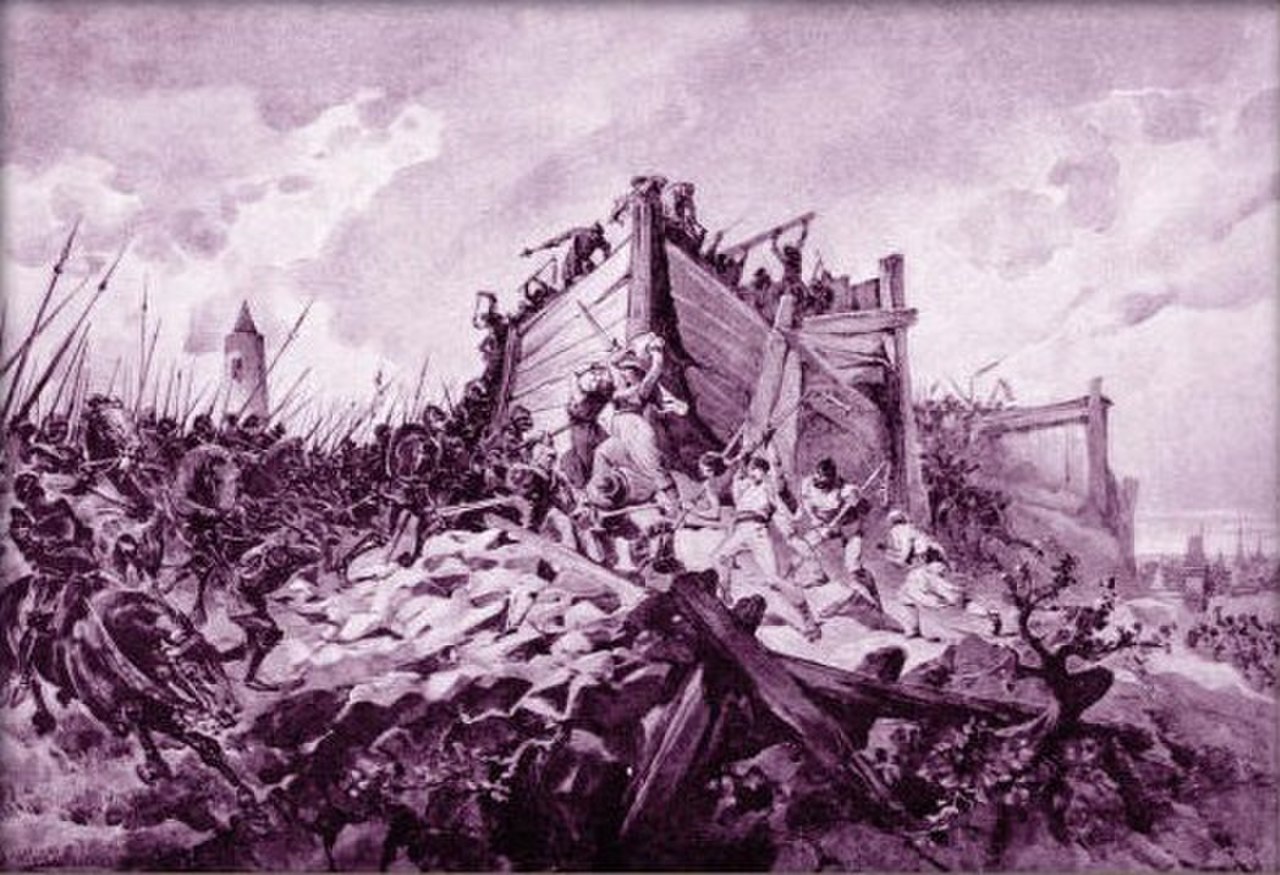

Politics, war and dynastic change
The decade was dominated by the later stages of the Hundred Years' War between England and France. The 1420 Treaty of Troyes attempted to settle the French succession in favor of Henry V of England, but the sudden deaths of key rulers in 1422 produced contested claims and a regency for the infant Henry VI. Important battles and sieges through the 1420s shifted momentum between competing factions, and by 1429 a new French resurgence, associated with the rise of Joan of Arc, began to alter the course of the conflict.
Regional conflicts and statecraft
Beyond France and England, the decade saw continued upheaval: the Hussite Wars in Bohemia challenged church and imperial authority; the Ottoman realm underwent a succession and consolidation under Murad II; and Iberian kingdoms and Portuguese navigators increased their activity along Atlantic routes and African coasts. In central Mexico, the Triple Alliance formed among Tenochtitlan, Texcoco and Tlacopan, marking the beginning of a dominant Aztec polity.
Exploration, trade and empires
Maritime enterprise advanced on several fronts. Ming China maintained state-sponsored treasure voyages that connected East Africa, South Asia and Southeast Asia with Chinese ports; simultaneously Portuguese explorers based in the Atlantic pushed farther down the West African shores and refined sea routes and mapping techniques. These movements contributed to wider commercial networks and cross-cultural contacts.
Culture, art and intellectual life
The early Renaissance continued to flourish in Italian city-states: artists and architects developed new techniques in painting, perspective and sculpture that influenced later generations. Humanist scholarship spread through manuscript circulation and patronage. In other regions, literate and religious movements pursued reform and consolidation, shaping local institutions and artistic expressions.
Notable events and legacy
- 1420: Treaty of Troyes attempts to unify English and French crowns under Henry V.
- 1422: Deaths of major monarchs lead to contested successions and regencies.
- 1428–1429: Siege of Orléans and the emergence of Joan of Arc as a turning point in the French war effort.
- 1428: Formation of the Aztec Triple Alliance, a turning point in Mesoamerican politics.
The 1420s stand as a transitional decade: military struggles transformed dynasties, exploratory voyages extended early globalization, and artistic and intellectual currents in several regions set foundations for developments later in the fifteenth century.
Related articles
Author
AlegsaOnline.com 1420s (decade) Leandro Alegsa
URL: https://en.alegsaonline.com/art/111339