
1095 (AD): Year of the Council of Clermont and the First Crusade's call
1095 was an 11th-century year marked by Pope Urban II's call for a western expedition at the Council of Clermont, an event that precipitated the First Crusade and reshaped medieval politics and religion.
Overview
1095 was a year in the late 11th century (the High Middle Ages) notable chiefly for events that set the stage for the First Crusade. It occurred within the framework of the Christian Latin West and the Byzantine and Muslim polities of the eastern Mediterranean. The most consequential development of the year was the gathering at Clermont and the public appeal that followed, which rapidly altered military, religious, and diplomatic relationships across Europe and the Near East.
Image gallery
2 Images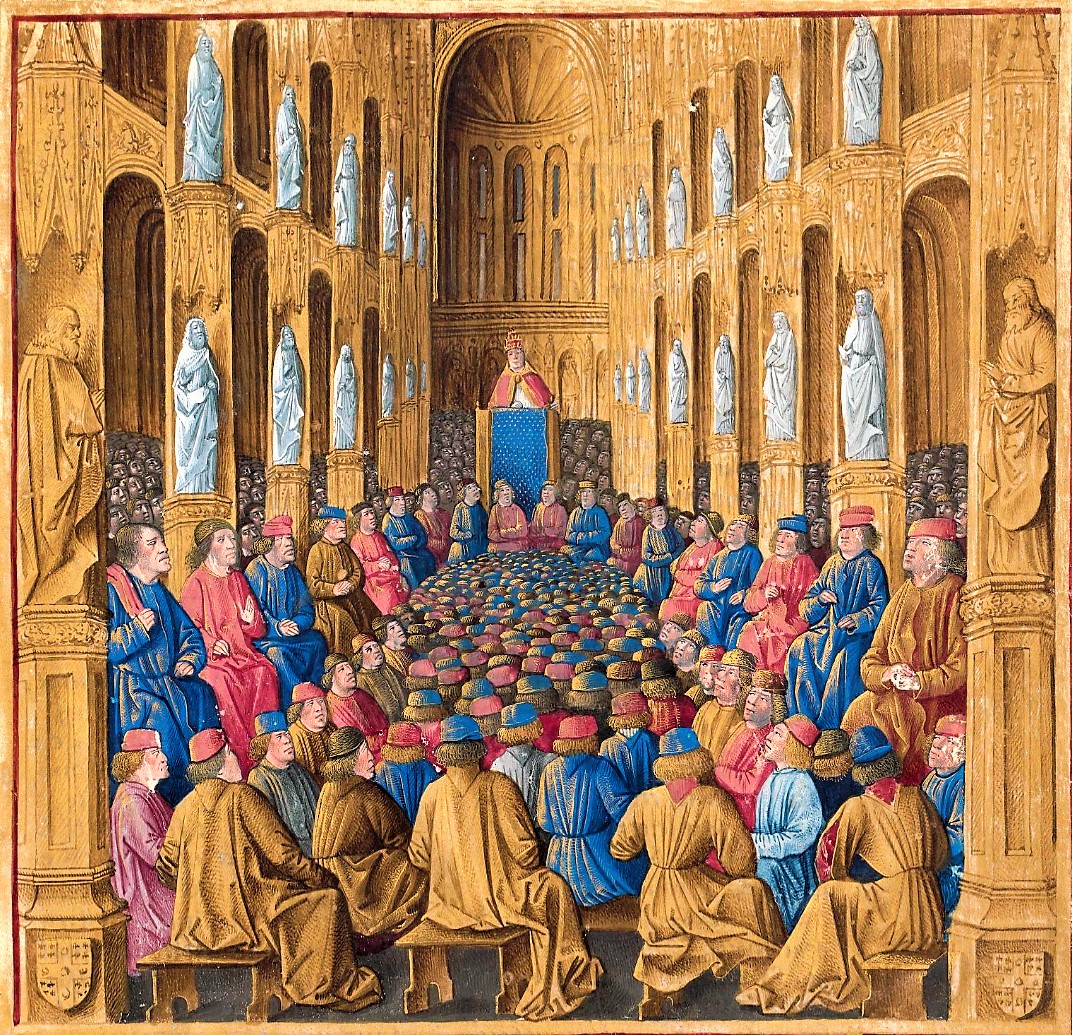

Council of Clermont and the call for a crusade
In 1095 Pope Urban II convened a council at Clermont in southern Gaul. There he urged western Christians to assist the Byzantine Empire and to recover Jerusalem and other eastern Christian sites that had come under Muslim control. Urban's appeal combined promises of spiritual reward with practical appeals to nobles and knights; it stimulated a wave of recruitment and pilgrimage that culminated in the expeditions commonly grouped as the First Crusade (1096–1099).
Political and military context
The call of 1095 built on earlier appeals from Byzantium for military aid against Seljuk Turkish advances after the Battle of Manzikert (1071) and subsequent territorial losses. Western rulers and princes responded unevenly, and the mobilization included both organized contingents led by nobles and popular movements of pilgrims and less-disciplined followers. The complex web of alliances and rivalries of the period—between papacy and secular lords, Byzantines and western knights, and various Muslim states—shaped how the ensuing campaigns unfolded.
Social effects and significance
The events associated with 1095 accelerated long-term changes in medieval society: increased militarization of noble culture, new norms around pilgrimage and penance, and growing papal influence over lay rulers. The crusading movement also stimulated the creation of military orders and affected trade and contact between Europe and the eastern Mediterranean.
Broader developments and legacy
While the Council of Clermont stands as the defining occurrence of 1095 in many histories, the year must be seen within broader 11th-century trends—reform movements within the Church, territorial realignments, and intensified interaction across cultural frontiers. The decisions and popular response of 1095 had consequences that played out over decades, influencing diplomacy, warfare, and religious life well beyond the immediate decade.
Related articles
Author
AlegsaOnline.com 1095 (AD): Year of the Council of Clermont and the First Crusade's call Leandro Alegsa
URL: https://en.alegsaonline.com/art/111003