
Árpád Göncz: writer, dissident and Hungary’s first post‑communist president
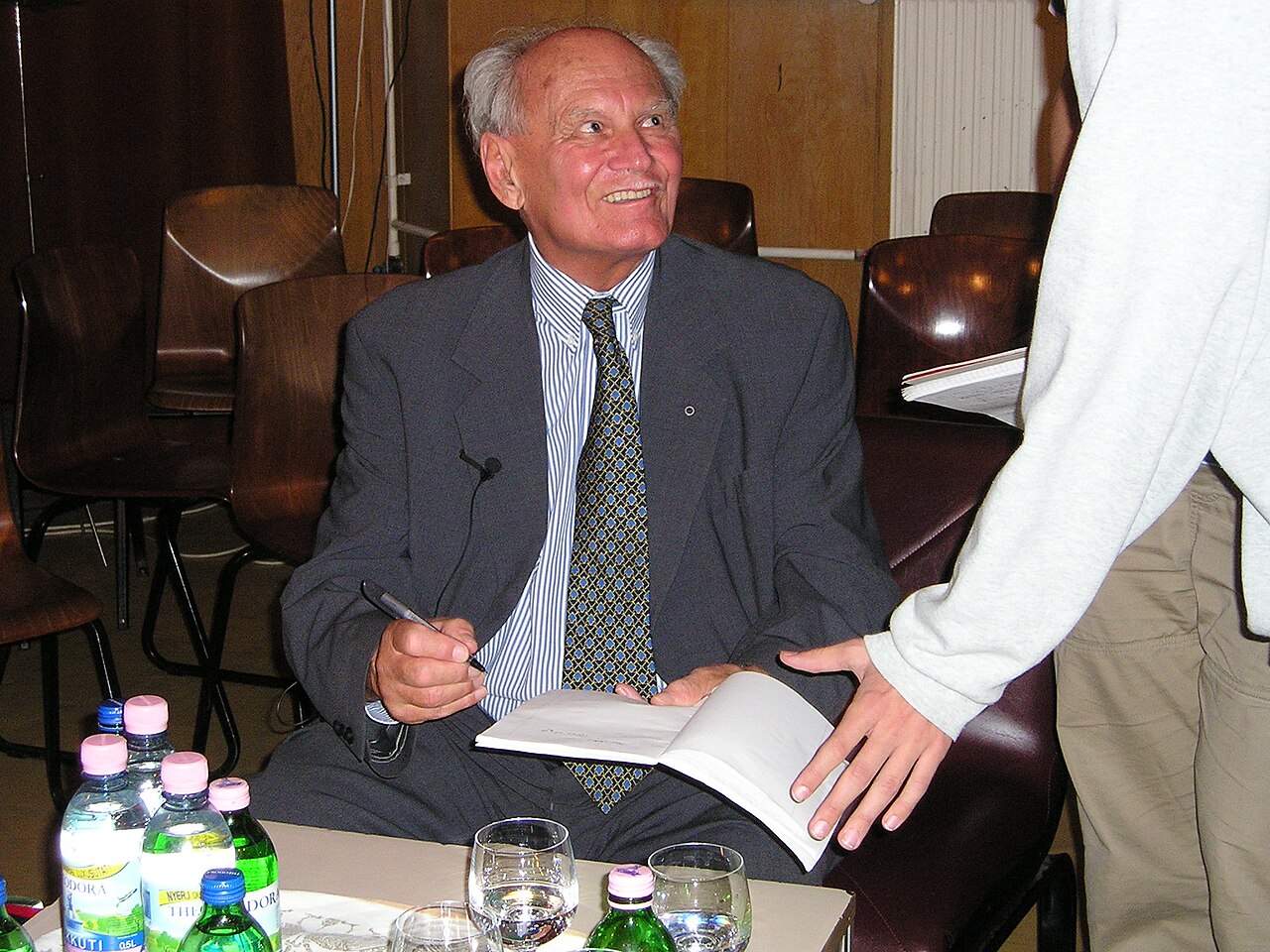
Árpád Göncz (1922–2015) was a Hungarian writer, translator and liberal politician who became Hungary’s first democratically elected president (1990–2000), a key figure in the 1956 uprising and in Hungary’s transition to democracy.
Overview
Árpád Göncz (February 10, 1922 – October 6, 2015) was a prominent Hungarian literary figure and politician who served as the first democratically elected President of Hungary from May 2, 1990, to August 4, 2000. Celebrated for his moral authority, independent stance and cultural contributions, he became a widely recognized symbol of Hungary’s peaceful transition from one‑party rule to a pluralistic democratic system.
Image gallery
10 Images




Early life and 1956
Göncz trained as a lawyer but established his public reputation as a writer, translator and editor. He took part in the popular uprising against the communist government in 1956 and, like many other participants, suffered repression in its aftermath. His opposition to the post‑uprising regime led to imprisonment for a number of years, and his experience as a dissident shaped his later political identity and commitment to civil liberties.
Literary and cultural work
Beyond politics, Göncz was an accomplished translator and author. He translated major works of English literature into Hungarian and wrote essays, short stories and radio plays. His translations helped introduce Hungarian readers to Shakespeare, Lewis Carroll and other classic English‑language authors, and his cultural work remained a vital part of his public persona even after he entered formal politics.
Political career and presidency
After the fall of communism, Göncz was active in the democratic movement: he was a founding member and vice‑chairman of the liberal Alliance of Free Democrats (SZDSZ) and served in parliamentary roles before being elected president in 1990. As head of state he exercised largely ceremonial powers but used them to defend democratic norms, human rights and the rule of law during a delicate period of constitutional change and economic reform.
Significance and legacy
Göncz is remembered for bridging cultural and political life: a writer who became a statesman, he lent a moderating voice in Hungary’s early post‑communist years and was widely respected both at home and abroad. He supported European and transatlantic integration, promoted reconciliation, and took part in international initiatives such as the advisory council of organizations that commemorate victims of totalitarianism.
Notable facts and distinctions
- He was the country’s first freely elected president following the end of one‑party rule.
- Göncz combined a career in letters with active participation in politics, unusual among modern heads of state.
- He remained engaged in public life after leaving office and is often cited as a moral exemplar during Hungary’s democratic consolidation.
For further context on his political alignment see liberal political currents in Hungary; for details on the historic 1956 events see Hungarian Revolution of 1956. His decade in office shaped the ceremonial presidency into a recognized guardian of democratic norms during a formative era for the modern Hungarian state.
Related articles
Author
AlegsaOnline.com Árpád Göncz: writer, dissident and Hungary’s first post‑communist president Leandro Alegsa
URL: https://en.alegsaonline.com/art/110841
Sources
- washingtonpost.com : Arpad Goncz, Hungary’s 1st post-communist president, dies
- victimsofcommunism.org : "International Advisory Council" · webcitation.org