
Youth of the Nation — P.O.D. song
“Youth of the Nation” is a 2001 single by American Christian nu metal band P.O.D., addressing youth violence and alienation. It was the second single from the album Satellite and drew inspiration from school shootings.
Overview
"Youth of the Nation" is a song by the American Christian nu metal group P.O.D., released as the second single from their fourth studio album, Satellite. The track appeared commercially on December 25, 2001, and became one of the band's most widely heard songs. Its subject matter and tone set it apart from much of contemporary mainstream rock, addressing feelings of isolation and the violence affecting young people.
Image gallery
1 Image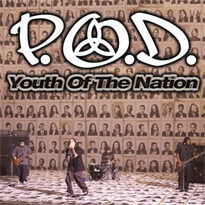
Composition and themes
Musically, the song blends elements typical of early-2000s nu metal: driving guitars, a prominent drum groove, and a mix of spoken or rhythmic vocal delivery with a melodic, anthemic chorus. Lyrically it focuses on young lives affected by alienation, tragedy, and social neglect. The chorus and verses are structured to emphasize empathy for disaffected youth and to ask broader questions about causes and responses to violence.
Background and inspiration
The band has said the song was written in the wake of high-profile school shootings, and members have pointed to specific incidents as partial inspiration. In interviews, guitarist Marcos Curiel recalled hearing about a shooting while the group was rehearsing and allowing that the news directly influenced their mood and the song's creation. The song has been discussed in connection with events such as the Santana High School and Columbine High School shootings, which shaped public conversations about youth violence at the time.
Release and reception
As a single from Satellite, "Youth of the Nation" received significant radio play and attention from music outlets. Critics and listeners noted its earnest approach to difficult topics and its combination of hard-edged instrumentation with a clear melodic hook. The track helped broaden P.O.D.'s audience outside strictly Christian music circles while maintaining the band's faith-informed perspective.
Legacy and cultural impact
"Youth of the Nation" is often cited when discussing early-2000s songs that grapple with school violence and youth alienation. It has been used in conversations about how popular music reflects and responds to social crises. The song remains part of P.O.D.'s live repertoire and is referenced in articles and retrospectives examining the era's musical responses to tragedy.
Further reading and context
- Band profile: P.O.D. — background
- Album information: Satellite album details
- Interviews and accounts: band interviews
- Related events and timelines: school shooting coverage
- Broader media discussion: music and social response
Note: This article summarizes widely reported aspects of the song and its context. It avoids detailed controversy and precise statistics about events, focusing instead on the song's themes, origins, and cultural significance.
Related articles
Author
AlegsaOnline.com Youth of the Nation — P.O.D. song Leandro Alegsa
URL: https://en.alegsaonline.com/art/110117
Sources
- juicedsportsblog.com : "P.O.D. Interview: Back Together, New Album in April"