
Yaoi (Boys' Love): a concise guide to the genre and its culture
Yaoi (also called Boys' Love or BL) is Japanese fiction focusing on male–male romantic or sexual relationships; this article explains its traits, origins, audience, variations and notable examples.
Overview
Yaoi, often known outside Japan as Boys' Love (BL), is a genre of fiction that centers on romantic and/or sexual relationships between male characters. It appears across media — manga, anime, novels and fan works — and ranges from sweet romances to explicit erotica. While the subject matter depicts same-sex intimacy, the term primarily refers to a literary and visual category rather than a statement about the creators' or audience members' sexual orientations; many works are produced by and for fans rather than by authors identifying as gay.
Image gallery
10 Images


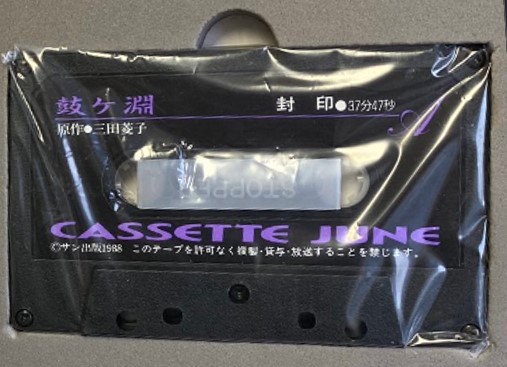

Characteristics and common elements
Typical features of yaoi include an emphasis on emotional dynamics, character roles, and interpersonal conflict. Many stories use established tropes such as the seme (often dominant partner) and uke (often submissive partner), age- or status-differentials, workplace or school settings, and melodramatic plotlines. Some works prioritize romantic development and character psychology; others prioritize erotic scenes. Fan-produced doujinshi are an important part of the genre, allowing creators to explore existing characters from mainstream series.
History and development
The roots of male–male romance stories in Japan trace back to literary traditions and stage art, but modern yaoi emerged in the 1970s–1980s within manga fandoms. It developed alongside shōjo manga and later consolidated under the BL label as commercial publishers recognized a dedicated readership. The word "yaoi" itself is commonly said to derive from a joking phrase about plots with "no climax, no point," though terminology and usage vary by community and era. As the genre professionalized, distinct magazines and imprints for BL content appeared, broadening its reach.
Audience, creators and culture
Yaoi's audience is diverse: many readers are women (often called fujoshi for female fans and fudanshi for male fans), but men also participate as creators and consumers. Some creators intentionally depict relationships from an outsider perspective; others draw on personal experience. The genre has an active fan culture that produces fan fiction, fan art, and doujinshi, and that contributes to conventions and online communities. Discussions around representation, consent, and stereotypes are common in contemporary BL discourse.
Variants and distinctions
- BL / Yaoi: Often used interchangeably; BL is a broader, more commercial label while "yaoi" may connote amateur or more explicit works.
- Bara: A separate category of gay-themed manga typically created by and for gay men, differing in aesthetics and themes from yaoi.
- Yuri: Female–female romance, a distinct genre sometimes compared with yaoi; see yuri.
Examples and influence
Popular mainstream examples that brought BL to wider attention include series adapted to anime and live-action, such as adaptations of titles like Sekaiichi Hatsukoi, Junjou Romantica, and Given. The genre's influence is visible internationally in translated manga, fan translations, and creators outside Japan who adopt BL conventions. For readers seeking background on how BL treats homosexual relationships in fiction and how creators and fans interact, introductory essays and community resources can provide context and critical perspectives; many discussions also explore the role of creators and audience expectations.
Overall, yaoi/BL is a multifaceted cultural phenomenon: a storytelling tradition with distinct tropes and an active fanbase, a commercial category within publishing, and a subject of ongoing debate about representation and authorship.
Related articles
Author
AlegsaOnline.com Yaoi (Boys' Love): a concise guide to the genre and its culture Leandro Alegsa
URL: https://en.alegsaonline.com/art/109639