
Wrath of the Titans (2012 film)
A 2012 fantasy-adventure sequel to Clash of the Titans, directed by Jonathan Liebesman. The film follows Perseus as he confronts released Titans and a captured Zeus; it met mixed reviews but earned box-office returns.
Wrath of the Titans is a 2012 fantasy-adventure film directed by Jonathan Liebesman. Produced as the follow-up to the 2010 reboot Clash of the Titans, it continues a modern, large-scale cinematic retelling of Greek myth. The story centres on Perseus and a human world caught between the declining power of the Olympian gods and the resurgence of the imprisoned Titans. The production is an international collaboration with cast and crew drawn from several countries.
Image gallery
1 Image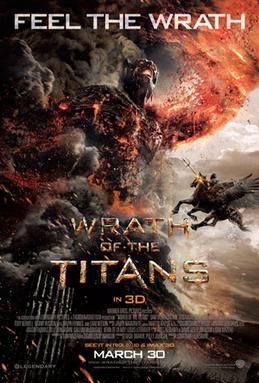
Premise and principal characters
Set about a decade after the events of the first film, Wrath of the Titans depicts a weakened pantheon whose immortality and control over ancient forces are slipping. When the gods lose their hold over the subterranean prison of the Titans, enormous and destructive beings begin to return to the world. Perseus must confront these threats while attempting to rescue Zeus from captivity in the Underworld and to protect humanity from devastation. The central roles are played by leading cast members including Sam Worthington as Perseus, with supporting performances from Liam Neeson, Rosamund Pike, Ralph Fiennes, Édgar Ramírez, Bill Nighy and others. The film also links back to the mythic hero through characters and motifs from classical sources, though it adapts those elements for contemporary blockbuster storytelling.
Production and style
Jonathan Liebesman led a production that emphasised large-scale visual effects, action choreography and set pieces intended to expand on the spectacle of the earlier picture. Filmmakers blended practical sets with digital environments to depict the Underworld, massive Titans, and mythological creatures. The screenplay and design work featured modernized versions of classical motifs—gods, monsters and heroic quests—tailored to a mainstream audience rather than to strict scholarly reconstruction of ancient myths.
The film assembled an international technical team and a roster of established actors. It maintained a tone of high-stakes adventure with frequent action sequences, and its marketing focused on the escalation from the previous installment: bigger monsters, larger battles, and an intensified threat to humankind.
Reception and legacy
Upon release, Wrath of the Titans divided critics and viewers. Reviewers commonly praised the production design and visual effects while critiquing the screenplay and character development. Despite mixed critical response, the picture performed solidly at the box office and found an audience among fans of action-oriented mythic cinema. The film's reception contributed to wider conversations about adaptations of classical mythology and the balance between spectacle and storytelling in contemporary franchise filmmaking.
Plans for a further sequel—sometimes referred to in coverage as Revenge of the Titans—were discussed after release, but those plans were ultimately abandoned and the project did not reach production. The film remains notable as part of an early 2010s attempt to reboot and modernize Greco-Roman myth for mainstream audiences, raising questions about fidelity to source myths, visual effects as narrative tools, and the economics of tentpole filmmaking.
Notable aspects and distinctions
- Myth adaptation: The film borrows names, characters and settings from Greek mythology but reshapes their roles for cinematic action.
- Visual emphasis: Large-scale effects and action sequences are central to its appeal.
- Cast: Features a mix of established stars who reconnect with familiar mythic roles across the two films: Perseus is the narrative focus carried by the cast listed above.
Wrath of the Titans is best understood as a mainstream, effects-driven continuation of a modern mythic franchise: an effort to translate ancient stories into a contemporary blockbuster idiom rather than as a purist retelling of classical sources. Readers interested in the film's production, reception and place within recent myth-based cinema can consult cast interviews and production notes for more detail about creative choices and technical execution.
Questions and answers
Q: Who directed Wrath of the Titans?
A: Jonathan Liebesman directed Wrath of the Titans.
Q: When was Wrath of the Titans released?
A: Wrath of the Titans was released in 2012.
Q: Who are the main actors in Wrath of the Titans?
A: The main actors in Wrath of the Titans are Sam Worthington, Liam Neeson, Rosamund Pike, Ralph Fiennes, Édgar Ramírez, Toby Kebell, and Bill Nighy.
Q: What is the plot of the movie?
A: The movie involves Perseus battling to save Zeus, who is being held captive in the Underworld, as well as defeat the Titans who have broken free from Tartarus and save mankind.
Q: When does the movie take place?
A: The movie takes place ten years after the events of the first film.
Q: Was Wrath of the Titans commercially successful?
A: Yes, Wrath of the Titans was commercially successful.
Q: Was a sequel to Wrath of the Titans made?
A: A sequel called Revenge of the Titans was in production but later scrapped.
Related articles
Author
AlegsaOnline.com Wrath of the Titans (2012 film) Leandro Alegsa
URL: https://en.alegsaonline.com/art/109173
Sources
- filmmusicreporter.com : "Javier Navarrete to Score 'Wrath of the Titans'"
- allocine.fr : "La colère des Titans - released"
- screendaily.com : "Wrath of the Titans"
- allmovie.com : "Wrath of the Titans"