
WOW air — Icelandic low-cost transatlantic carrier
Overview of WOW air, an Icelandic ultra‑low‑cost airline known for budget transatlantic flights, its business model, rise and collapse, fleet features, and its impact on low-cost long‑haul travel.
WOW air was an Icelandic low‑cost carrier that gained attention for offering very low fares between Europe and North America via Reykjavík. Founded as an ultra‑low‑cost airline, it used a point‑to‑point hub at Keflavík to connect passengers across the North Atlantic at prices often lower than traditional carriers. The airline became a notable example of the opportunities and risks associated with aggressive low‑fare strategies on long‑haul routes.
Image gallery
6 Images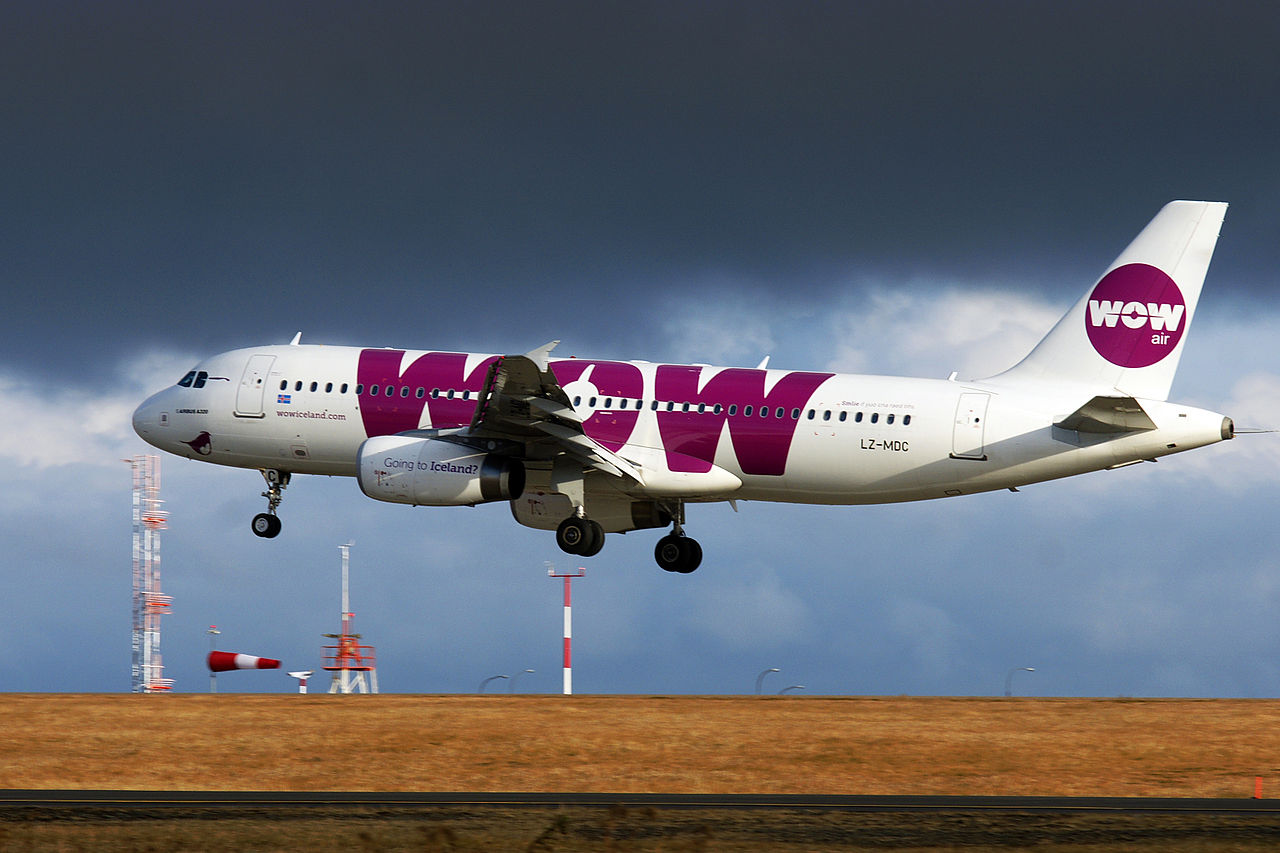


Business model and operations
The airline operated mainly narrow‑body Airbus A320‑family aircraft and focused on an unbundled fare structure: base tickets covered only a seat while extras such as checked baggage, seat selection and onboard refreshments were charged separately. This approach reduced headline fares and attracted price‑sensitive travelers, but relied heavily on high load factors and ancillary revenues to remain profitable.
History and collapse
Founded in the early 2010s, the carrier expanded rapidly to dozens of European and North American destinations from its Reykjavík hub. Rapid growth, fleet expansion and competition put strain on finances. In 2019 the airline suspended operations and filed for bankruptcy, leaving many passengers to make alternative arrangements and prompting regulatory and consumer‑protection responses in affected countries.
Impact and legacy
WOW air demonstrated that low‑cost, long‑haul service could attract substantial demand, prompting other airlines and startups to explore similar models. Its collapse highlighted the challenges of sustaining ultra‑low fares on transatlantic routes, especially when exposed to fuel price swings, exchange‑rate volatility and intense competition. The experience influenced industry discussion about resilience, route planning and the limits of cost cutting on longer sectors.
Notable facts and distinctions
- Hub: Reykjavík–Keflavík, which allowed connections between Europe and North America with a stop in Iceland.
- Model: Unbundled fares and strong reliance on ancillary income.
- Fleet: Primarily Airbus A320 family aircraft suited to medium‑range transatlantic sectors via refueling and weight‑optimization.
- Aftermath: Its failure left a market gap on some Iceland‑transatlantic routes and spurred the entry of other low‑cost operators.
For contemporary reports and further information, see coverage archived at news and airline sources and general Iceland travel and aviation resources at Iceland references.
Related articles
Author
AlegsaOnline.com WOW air — Icelandic low-cost transatlantic carrier Leandro Alegsa
URL: https://en.alegsaonline.com/art/109162
Sources
- airlineroute.net : "New Icelandic Carrier Wow Air Launches Operation from June 2012"
- worldairlinenews.com : "Wow Air to start operations from Iceland on June 1, 2012"
- washingtonpost.com : "This airline is making flights to Europe as cheap as $99"
- bbc.com : "Wow Air failure: 'They gave us pizza - then cancelled our flight'"