
Wiscasset, Maine — historic coastal town and Lincoln County seat
Wiscasset is a small coastal town in Lincoln County, Maine, known for its historic downtown, maritime heritage, and role as the county seat. Population was 3,732 at the 2010 census.
Overview
Wiscasset is a small town on Maine's midcoast that serves as the county seat of Lincoln County (county seat) in the state of Maine. The town reported a population of 3,732 at the 2010 census (2010 census), and is known for a compact, historic village center, maritime connections, and a mix of year-round residents and seasonal visitors.
Image gallery
10 Images



History and development
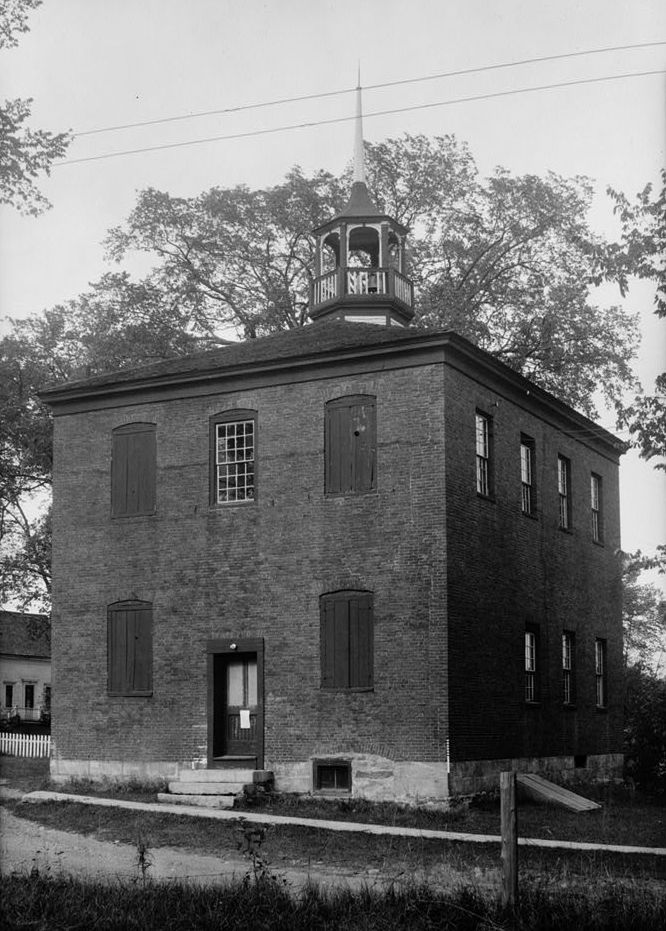
Wiscasset developed as a river and coastal settlement with roots in the colonial era. Its economy grew in the 18th and 19th centuries around shipbuilding, trade and maritime services. Over time the town preserved many Federal and Greek Revival buildings, which reflect its prosperity during the age of sail and early American commerce.
Geography and transportation
The town lies along a tidal river that provides access to nearby bays and the Atlantic Ocean. Its location on Maine's midcoast places it within easy driving distance of other coastal communities, making it a local service center for the surrounding rural area. Roads and small bridges connect the village to regional routes and to recreational waterways used for boating and fishing.
Architecture, culture and attractions
Wiscasset's compact downtown contains a concentration of historic houses, shops and civic buildings. Visitors come to see preserved architecture, antiques stores, galleries and small museums. Local traditions emphasize seafood and coastal living; casual dining and specialty lobster shacks are part of the local scene.
Economy and role
The local economy blends government services (as a county seat), retail, tourism, hospitality, and marine-related businesses. Seasonal tourism boosts restaurants, lodging and cultural events, while year-round residents support schools, municipal services and small enterprises.
Notable facts and distinctions
- Wiscasset is often described in travel writing as one of Maine's picturesque villages because of its historic streetscape and waterfront setting.
- The town's historic district and individual buildings are frequently highlighted for preservation and interpretation of 18th- and 19th-century life.
- Its mix of government, maritime heritage and tourism makes it a common stop for visitors exploring Maine's midcoast.
Related articles
Author
AlegsaOnline.com Wiscasset, Maine — historic coastal town and Lincoln County seat Leandro Alegsa
URL: https://en.alegsaonline.com/art/108676
Sources
- naco.org : "Find a County"