
William Windom (1923–2012): career summary and notable roles
Comprehensive overview of actor William Windom, his major television and voice roles, career milestones, awards, and legacy in American entertainment.
Overview
William Windom (September 28, 1923 – August 16, 2012) was an American actor whose career spanned radio, stage, film, television and voice work. Over more than five decades he became a familiar face in American households for both guest appearances and long-running supporting roles. He worked steadily in dramatic and comic parts, earning praise for versatility and a dry, understated delivery.
Image gallery
2 Images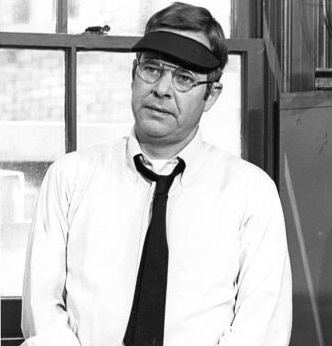

Notable roles and performances
Windom's body of work includes single-episode appearances on influential anthology series and recurring characters on popular shows. He is widely remembered for two television parts in particular: the principled small-town physician Dr. Seth Hazlitt on the mystery series Murder, She Wrote, and Commodore Matt Decker in an acclaimed episode of the science-fiction series Star Trek. Beyond those, he appeared in episodes of The Twilight Zone and other classic series, and he provided voices for animated features including the character Puppetino in Pinocchio and the Emperor of the Night.
Career and recognition
Windom made regular transitions between mediums — moving from stage and radio into film and television — and built a reputation as a reliable character actor. His range encompassed sympathetic doctors, military officers and conflicted antagonists. Industry recognition included an Emmy Award for his work on television, reflecting the esteem of his peers and the visibility of his performances during the height of his career. For a fuller listing of his screen credits see filmography and credits.
Selected credits
- Murder, She Wrote — Dr. Seth Hazlitt (recurring)
- Star Trek — Commodore Matt Decker (guest star in a landmark episode)
- The Twilight Zone — multiple guest appearances
- Pinocchio and the Emperor of the Night — voice of Puppetino
Legacy and notable facts
Windom's career illustrates the mid-20th-century American actor who moved seamlessly across formats as television became central to popular culture. His recurring role on a long-running mystery series introduced him to new generations, while his work on genre programs has kept his performances visible to enthusiasts and historians. Critics and colleagues often cited his economy of style and ability to bring depth to supporting parts. Even after his passing in 2012, Windom's performances continue to be cited in retrospectives on television acting and character work.
For readers seeking more detail, comprehensive listings of his appearances and interviews are available through standard film and television reference sources and archives; the links above provide starting points for further exploration.
Related articles
Author
AlegsaOnline.com William Windom (1923–2012): career summary and notable roles Leandro Alegsa
URL: https://en.alegsaonline.com/art/108320
Sources
- filmreference.com : William Windom Biography (1923-2012)
- nytimes.com : "William Windom, Emmy Winner and TV Everyman, Dies at 88"