
William Wordsworth
English Romantic poet William Wordsworth (1770–1850), noted for nature poetry, The Prelude, Lyrical Ballads, and his influence on English Romanticism and modern verse.
Overview
William Wordsworth (7 April 1770 – 23 April 1850) was a leading English poet whose work helped define the early Romantic movement. He argued for poetry grounded in everyday speech and experience and placed nature and memory at the center of poetic thought. Later in life he served as England's Poet Laureate, a post he held from 1843 until his death.
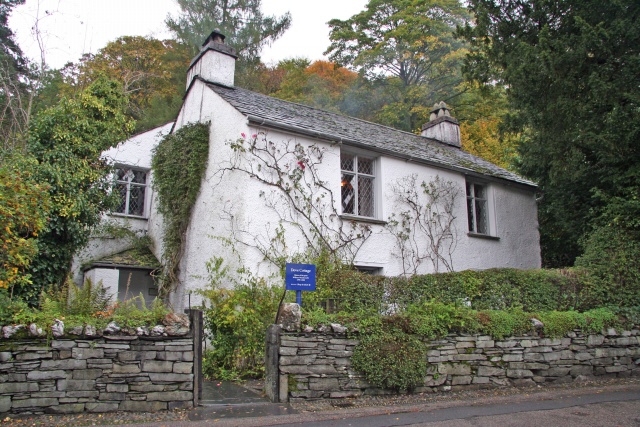
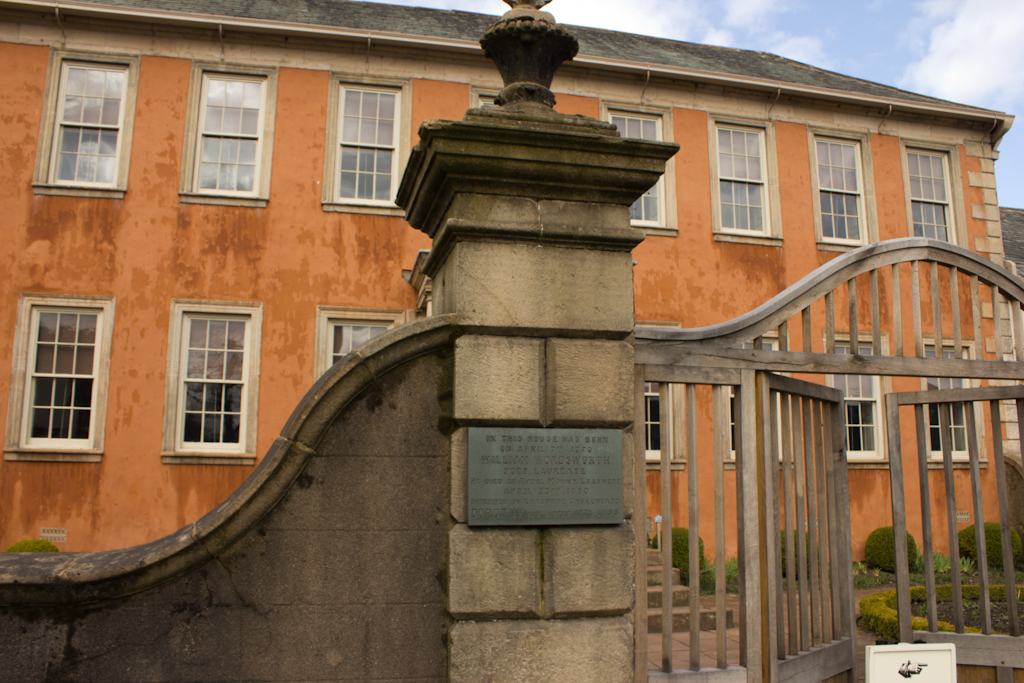
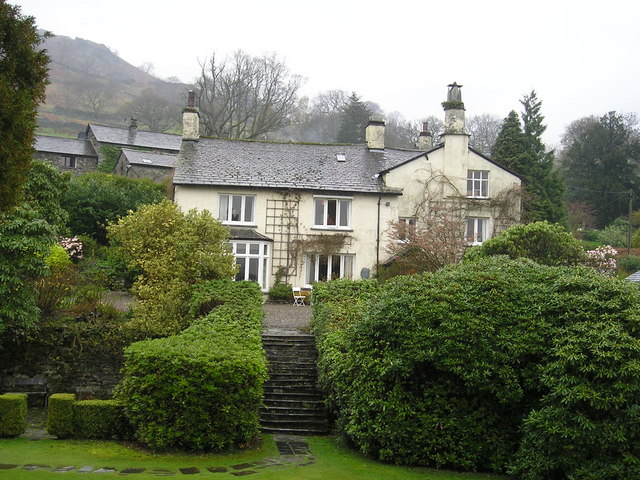
Image gallery
8 Images




Style and themes
Wordsworth's poetry emphasizes the moral and restorative effects of nature, the significance of childhood, and the interior life of the imagination. He advocated a simple diction intended to reach common readers and famously described poetry as "emotion recollected in tranquility." Much of his verse meditates on how sensory experience and recollection shape the self.
Life and development
Born in the Lake District of northern England, Wordsworth received a classical education and traveled extensively as a young man. His early sympathy with the ideals of the French Revolution later gave way to more conservative views, a shift reflected in his changing subjects and tone. His sister, Dorothy Wordsworth, played an important role as companion and diarist; her journals preserve many settings and moments that entered his poetry.
Major works
- Lyrical Ballads (1798), a joint volume with Samuel Taylor Coleridge that helped launch British Romanticism; many editions included Wordsworth's influential preface. Lyrical Ballads argued for new poetic aims and language.
- The Prelude, an extended autobiographical poem on the development of the poet's mind, completed in stages and published posthumously; often regarded as his chief statement of poetic identity. See The Prelude for discussion of its themes.
- Shorter lyric poems such as "Tintern Abbey," "I Wandered Lonely as a Cloud," and moral meditations that display his attention to place and memory.
Influence and reception
Wordsworth's insistence on sincerity, the primacy of personal feeling, and the importance of nature influenced subsequent generations of poets and readers. His ideas about poetic language reshaped critical expectations in the nineteenth century and contributed to later movements that valued individual perception. Critics have alternately praised his visionary passages and faulted him for sentimentality, but his central place in English letters is secure.
Notable facts and distinctions
Wordsworth combined public roles and intimate reflections: he was an engaged literary theorist as well as a poet of landscapes and private memory. His collaborative work with Coleridge, the prominence of the Lake District in his imagination, and his long, self-reflective poem The Prelude remain key reference points for the study of Romantic poetry and the idea of the poet's development.
Questions and answers
Q: Who was William Wordsworth?
A: William Wordsworth was an important poet of the Romantic Age in English literature.
Q: What is The Prelude?
A: The Prelude is an autobiographical poem of William Wordsworth's early years and is considered by many to be his masterpiece.
Q: When was William Wordsworth born?
A: William Wordsworth was born on 7 April 1770.
Q: When did William Wordsworth die?
A: William Wordsworth died on 23 April 1850.
Q: What was William Wordsworth's role in England?
A: William Wordsworth was England's Poet Laureate from 1843 until his death in 1850.
Q: Which literary movement was William Wordsworth a part of?
A: William Wordsworth was a part of the Romantic Age in English literature.
Q: What is William Wordsworth's most famous work?
A: Although he has many works, The Prelude is considered by many to be William Wordsworth's masterpiece.
Related articles
Author
AlegsaOnline.com William Wordsworth Leandro Alegsa
URL: https://en.alegsaonline.com/art/108321
Sources
- commons.wikimedia.org : William Wordsworth
- victorianweb.org : victorianweb.org/previctorian/ww/bio.html
- wikidata.org : wikidata.org/wiki/Q45546
- authority.bibsys.no : 90087570
- catalogo.bne.es : XX998992
- catalogue.bnf.fr : cb120285721
- data.bnf.fr : (data)
- cantic.bnc.cat : a11380020
- d-nb.info : 118635212
- isni.org : 0000 0001 2127 8691
- id.loc.gov : n79006595
- musicbrainz.org : 6a0e8574-d332-4562-91bb-ecd51479af6a
- id.ndl.go.jp : 00461449
- aleph.nkp.cz : jn20000605662
- nla.gov.au : 36578488