
Berne, Indiana
Small city in northeastern Indiana noted for its Swiss immigrant heritage, historic downtown, an annual Swiss Days festival, local manufacturing and agriculture, and strong community institutions.
Overview
Berne is a small city in the U.S. state of Indiana and lies within the United States. It is a close-knit community characterized by a blend of rural surroundings and a compact commercial center. The town serves as a local hub for nearby farms and smaller settlements, with services, schools, and small manufacturers drawing residents from the surrounding area.
Image gallery
9 Images




History and heritage
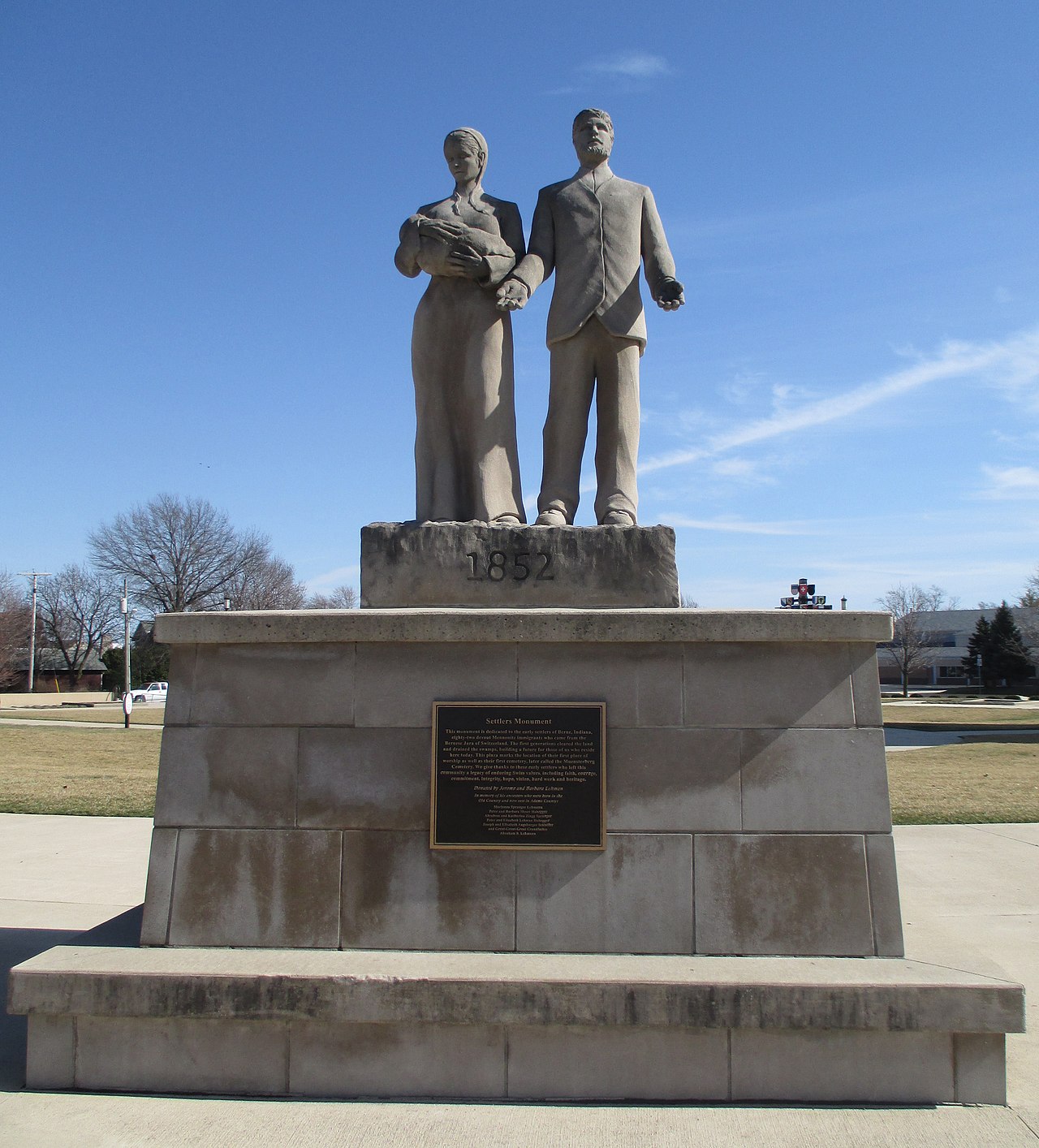
Berne traces its identity to Swiss immigrants who settled the area in the mid-19th century and named the town after Bern, Switzerland. That Swiss origin shaped local architecture, religious life and community traditions. Many public buildings, churches and private homes reflect this heritage, and family histories remain important to community memory.
Culture and events
Community life centers on annual events and civic institutions. The town is best known regionally for an annual Swiss Days festival that celebrates Swiss culture with food, music, parades and crafts, drawing visitors from across the region. Local churches, clubs and volunteer organizations also stage seasonal celebrations, farmers' markets and parades.
Economy and services
Berne's economy combines agriculture, small-scale manufacturing and locally owned retail. Light industrial firms and specialty producers provide employment alongside family farms. The city maintains essential services such as primary and secondary schools, a public library and community health resources that support residents and neighboring rural areas.
Notable characteristics
Visitors often remark on the town's preserved downtown, visible Swiss influences in building details, and the strong sense of local stewardship. While modest in size, Berne functions as a cultural landmark for Swiss-American history in the Midwest and as a regional center for trade and community life.
- Heritage: Swiss immigrant roots and place name derived from Bern, Switzerland.
- Annual event: Swiss Days festival and other community traditions.
- Role: Regional service and commercial center for surrounding rural areas.
Related articles
Author
AlegsaOnline.com Berne, Indiana Leandro Alegsa
URL: https://en.alegsaonline.com/art/10824