
Wichita Falls, Texas: regional history, geography, and institutions
Wichita Falls is a regional city in north Texas serving as Wichita County’s seat; known for its origins as a ranching center, later oil and military influence, and institutions like Midwestern State University.
Overview
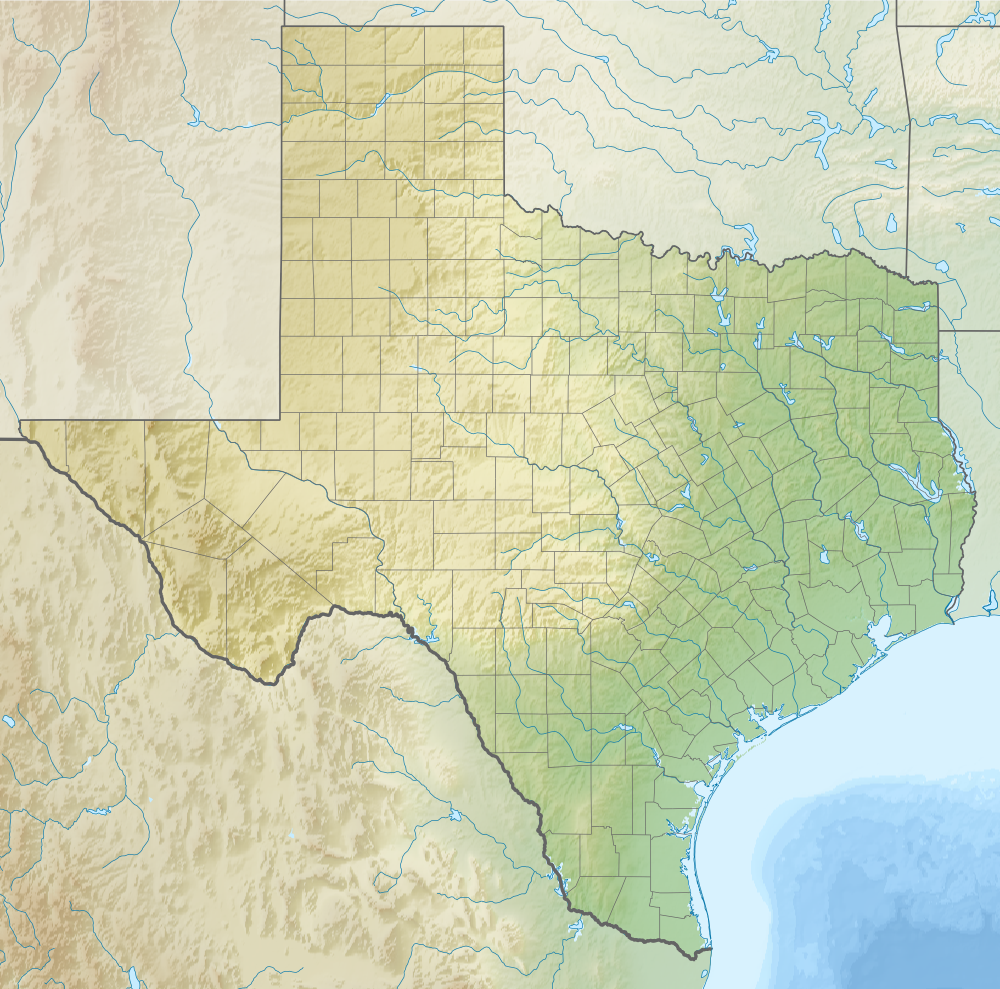
Wichita Falls is a city in north Texas that serves as the county seat of Wichita County and a commercial hub for the surrounding region. Located near the Oklahoma border, it developed from frontier ranching and trading activity into a mid-sized urban center with a mix of education, healthcare, military and light industry. The city is named after a set of falls on the Wichita River, which played a role in early settlement and place identity.
Image gallery
10 Images




History and development
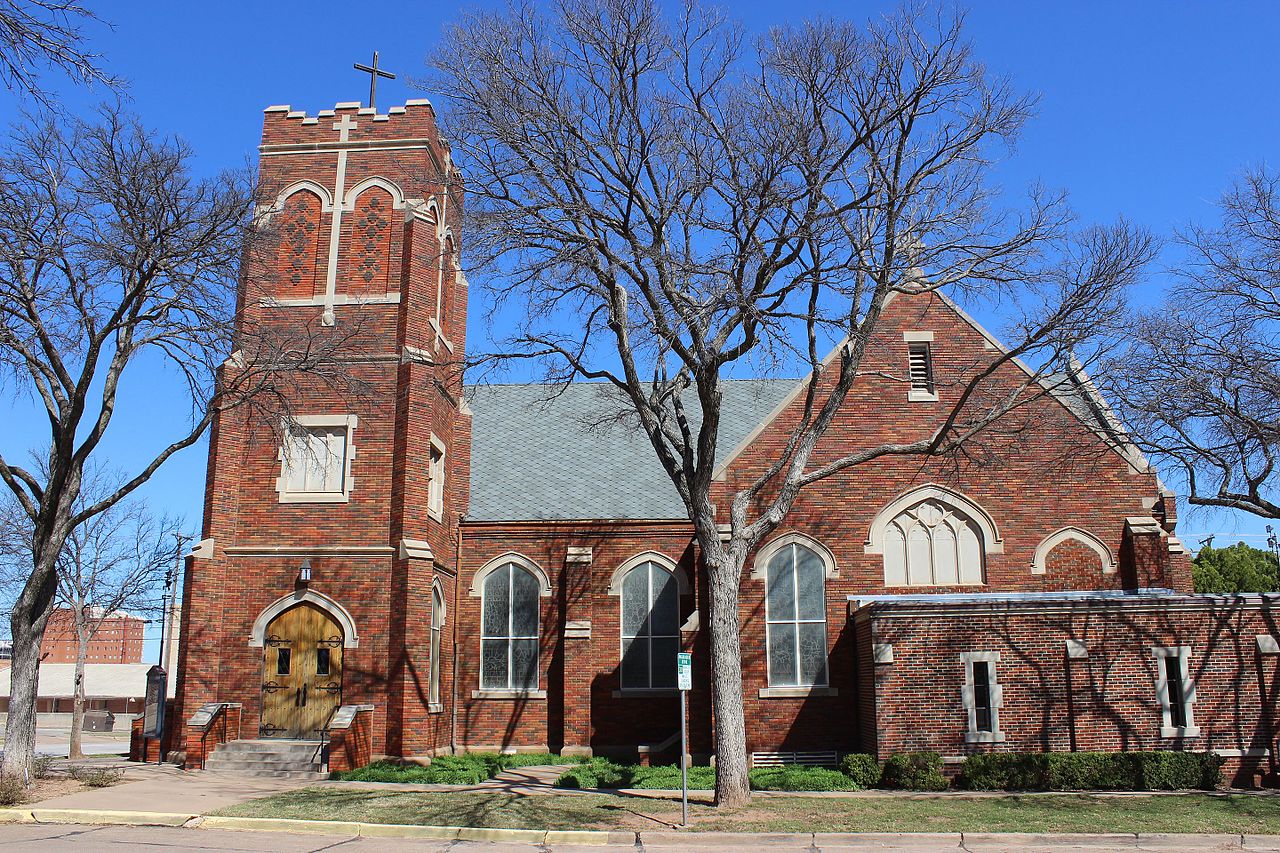
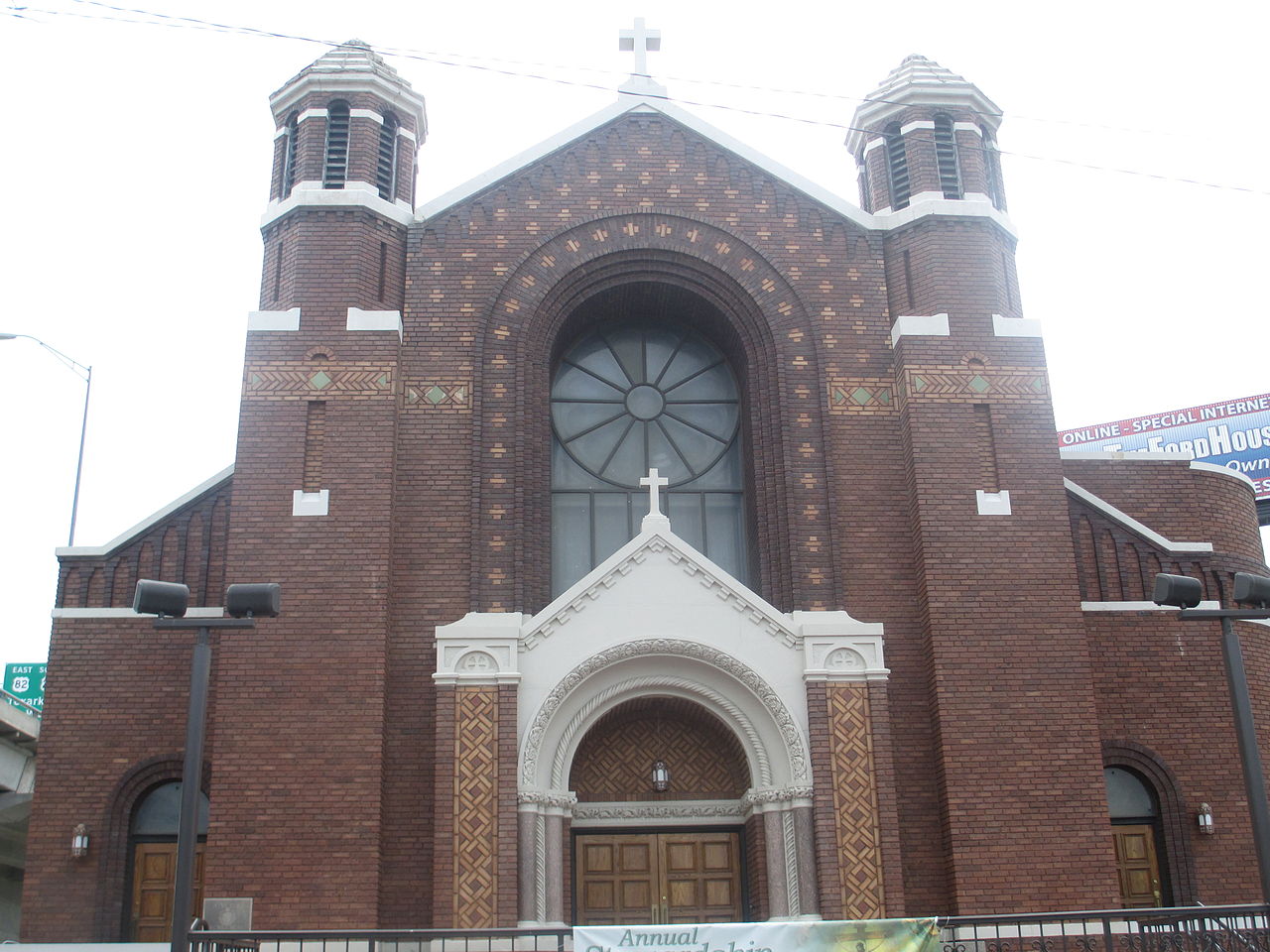
Settlement in the area began in the late 19th century as cattle ranches and trading posts attracted settlers and commerce. Growth accelerated with the arrival of railroads and later oil discoveries in the early 20th century, which brought investment and population increases. Over time Wichita Falls diversified its economy beyond agriculture and energy, while preserving reminders of its frontier and boom-era past in local museums and historic districts.
Geography and climate
Wichita Falls lies in the rolling plains of north Texas and is drained by the Wichita River. The landscape around the city is a mix of prairie and cultivated land. The climate is characteristic of much of north-central Texas: hot summers, mild to cool winters, and occasional severe storms. Because of its location, the city is subject to weather extremes such as strong thunderstorms and the occasional tornado, as well as periodic droughts that affect regional agriculture.
Economy, education, and institutions
The local economy includes healthcare, education, retail, manufacturing and support for nearby military installations. Midwestern State University is a notable higher-education institution in Wichita Falls, offering undergraduate and graduate programs and serving as a cultural center. Military presence in the region—most prominently a large air force training base nearby—has long influenced the local labor market and community life.
Culture, recreation, and notable facts
Cultural life in Wichita Falls includes regional museums, performing arts venues, parks and annual festivals that reflect local history and community traditions. Outdoor recreation opportunities include lakes, trails and nature areas used for boating, fishing and birdwatching. As the largest city in the surrounding area, Wichita Falls functions as a center for healthcare, education and retail for smaller towns and rural communities in north Texas and southern Oklahoma.
Further information
Related articles
Author
AlegsaOnline.com Wichita Falls, Texas: regional history, geography, and institutions Leandro Alegsa
URL: https://en.alegsaonline.com/art/107929
Sources
- factfinder.census.gov : "American FactFinder"
- geonames.usgs.gov : "US Board on Geographic Names"