
Whip: construction, types, history, uses and safety
A whip is a flexible implement with a handle and tapering lash used to signal, control or strike. This article covers its parts, varieties, historical roles, the physics of the 'crack', uses and safety considerations.
A whip is a flexible tool consisting of a handle attached to a tapering lash made from leather, synthetic fibers or rawhide. It is designed to transfer motion and force from the wielder along the length of the lash. When used rapidly, the tip of the lash can produce a loud cracking sound as it creates a small sonic boom; this physical explanation is discussed further in acoustic and physics sources. Materials and construction vary by purpose and region; for more on typical materials see leather and synthetic options.
Image gallery
10 Images
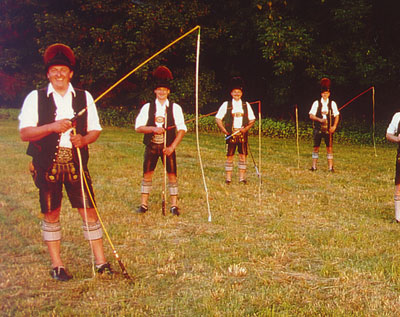


Parts and common varieties
Most multi-piece whips share similar elements: a grip or handle, a braided thong that tapers, a short protective fall, and a small dressing at the tip often called a cracker or popper. Common types include:
- Bullwhip — a single-tailed, long braided whip originally used in livestock handling.
- Stock whip — similar to a bullwhip but with a separate handle used in some working equestrian contexts.
- Rope lariat (lasso) — a looped rope used to catch animals rather than to crack.
- Cat-o'-nine-tails — multiple-knotted tails historically used for corporal punishment.
- Signal and performance whips — shorter or lighter whips made for demonstrations, sport or stage work.
Historical development and cultural roles
Whips developed where people needed to guide or control livestock at distance. Over time they also appeared in ritual, maritime, and judicial contexts and were adapted as tools, symbols of authority, and instruments of discipline. In modern times whips are found in agricultural work, competitive sport and performance arts; they have also been subject to changing laws and social attitudes regarding their use on people and animals.
Uses and notable distinctions
Typical uses include herding and moving livestock, signaling over distance, training animals in equestrian disciplines, and entertainment in controlled performance settings. Distinctions between whip types are largely based on length, flexibility, number of tails and intended use (working versus decorative or punitive). Historical implements intended for corporal punishment are discussed in legal and social contexts at sources on disciplinary use.
Physics of the crack, safety and legality
The characteristic "crack" comes from the tip moving faster than the speed of sound, creating a small shock wave. Learning safe technique is important: improper or forceful use can cause severe injury to humans and animals. Many places regulate or restrict uses that cause harm, and responsible owners follow animal-welfare guidelines and protective practices for performers and handlers.
Further reading and practical guidance often cover proper construction, maintenance of leather or synthetic thongs, and training methods to reduce risk. For technical and historical details consult specialized sources and training organizations that focus on craft, sport and safety.
Author
AlegsaOnline.com Whip: construction, types, history, uses and safety Leandro Alegsa
URL: https://en.alegsaonline.com/art/107763