
Weaverville, California
Weaverville is a census-designated place and the county seat of Trinity County, California, known for its Gold Rush history, the Weaverville Joss House State Historic Park, and outdoor recreation.
Overview
Weaverville is a small census-designated place in the mountainous northwestern part of the state of California, in the United States. It serves as the administrative center and county seat for the surrounding rural area and acts as a service hub for residents, visitors and smaller communities throughout the Trinity Alps region.
Image gallery
3 Images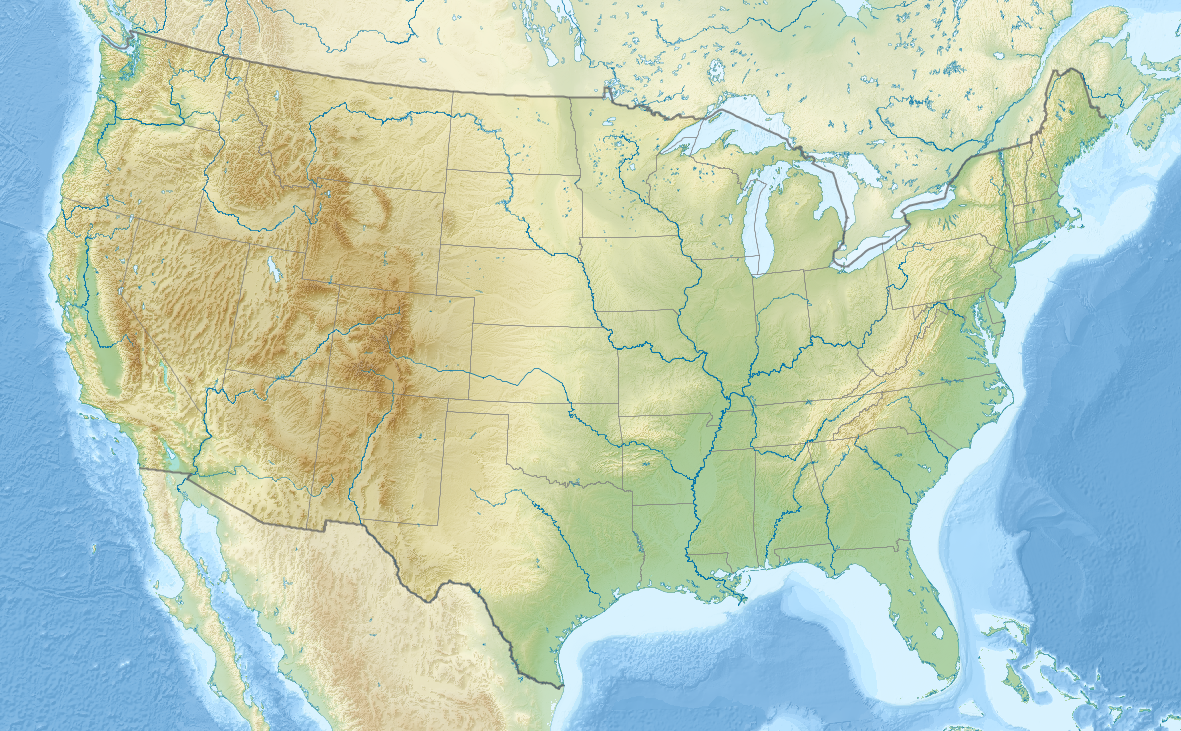


Geography and climate
The town lies in a river valley shaped by the Trinity River and nearby creeks, with forested slopes, granite ridges and alpine foothills framing the community. Summers are typically warm and dry; winters are cooler and can bring rain or occasional snow at higher elevations. The setting makes Weaverville a gateway for hiking, fishing, rafting and other outdoor pursuits.
History
Weaverville developed during the mid-19th century as part of the California Gold Rush era. Prospecting and small-scale mining brought a diverse population, including European-American settlers and Chinese laborers, whose cultural presence is remembered in the townscape. Much of the historic commercial core and some period buildings remain, giving the town a distinct 19th-century character.
Landmarks and culture
Notable sites and community features include:
- The historic Chinese temple preserved as a state historic park, reflecting 19th-century immigrant history.
- A compact downtown with period buildings, local museums and interpretive exhibits about mining and regional history.
- Seasonal events and county fairs that showcase local crafts, music and regional traditions.
Economy and recreation
The local economy relies on a mix of county government services, small businesses, tourism and recreation. Visitors come for river and mountain activities, scenic drives and heritage tourism tied to the Gold Rush period. Local outfitters, lodging and restaurants support outdoor-season visitation.
Governance and notable facts
Weaverville is unincorporated and is administered at the county level; it is the county seat of Trinity County and hosts many county offices and services. Its status as a county seat and its preserved historic sites make it an important cultural and administrative center in this remote part of northern California. For official and visitor information see local government and tourism resources linked through regional portals such as county and town references.
Related articles
Author
AlegsaOnline.com Weaverville, California Leandro Alegsa
URL: https://en.alegsaonline.com/art/107049