
Berca — commune in Buzău County, Romania
Berca is a rural commune in Buzău County, Romania, best known for the nearby Berca Mud Volcanoes, a protected geological reserve. The area combines agricultural life with distinctive natural and cultural attractions.
Berca is a rural commune in the south-eastern part of Romania, located in Buzău County. It functions as a local administrative unit that groups several villages and serves as a focal point for surrounding agricultural land and hill country. The commune is part of the historical and geographic region often associated with the Subcarpathian hills of the area, and it lies within easy travel distance of larger urban centers in Buzău County.
Image gallery
6 Images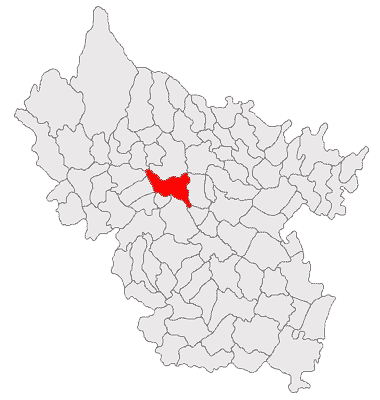


Geography and administration
The commune includes multiple settlements and stretches across a landscape of gentle hills, fields and small forested areas. Local governance handles rural services, infrastructure and community needs typical for Romanian communes. For administrative context see the local authority page: Berca commune, the county overview: Buzău County, and the national context: Romania.
Berca Mud Volcanoes
The most widely known feature near Berca is the Berca Mud Volcanoes, a rare geological phenomenon where muddy slurry and gas emerge from the ground to create small, cone-shaped formations and bubbling pools. This process is driven by underground gases (mainly methane) and water forcing saturated clay to the surface; it is a cold, non-magmatic phenomenon distinct from true volcanic eruptions. The site has scientific, educational and scenic value and has been under protection since 1924 to preserve its unusual landforms and associated habitats.
History, conservation and significance
Berca and its surroundings have a local history tied to rural farming, forestry and small-scale crafts. The mud volcano area has attracted naturalists and visitors for decades and is treated as a protected natural reserve because of its geological uniqueness. Conservation efforts focus on preventing damage from unchecked tourism and development while allowing study and low-impact visitation.
Economy, tourism and visitor information
The local economy remains largely agricultural, with tourism around the mud volcanoes contributing seasonal income through guided visits, small guesthouses and local services. Visitors come to observe the cones, walk marked paths and learn about the geological processes. Practical advice for visitors includes respecting protective signs, staying on trails, and consulting local guides or information centers for safety and conservation rules.
- Distinctive feature: cold mud cones caused by escaping gases.
- Protected site since 1924 for geological importance.
- Best experienced with guidance to avoid fragile zones.
Tags
Related articles
Author
AlegsaOnline.com Berca — commune in Buzău County, Romania Leandro Alegsa
URL: https://en.alegsaonline.com/art/10657
Sources
- travelguideromania.com : "Berca Mud Volcanoes"