
Warmian-Masurian Voivodeship (Poland)
Region in northeastern Poland known for its lakes, forests and historical ties to Warmia and Masuria; capital Olsztyn. Created in the 1999 administrative reform.
Overview
The Warmian-Masurian Voivodeship is an administrative region in northeastern Poland. It is commonly described as a voivodeship or province whose capital and largest city is Olsztyn. The modern voivodeship was established on January 1, 1999, as part of a nationwide territorial reform that reorganized regional government.
Image gallery
10 Images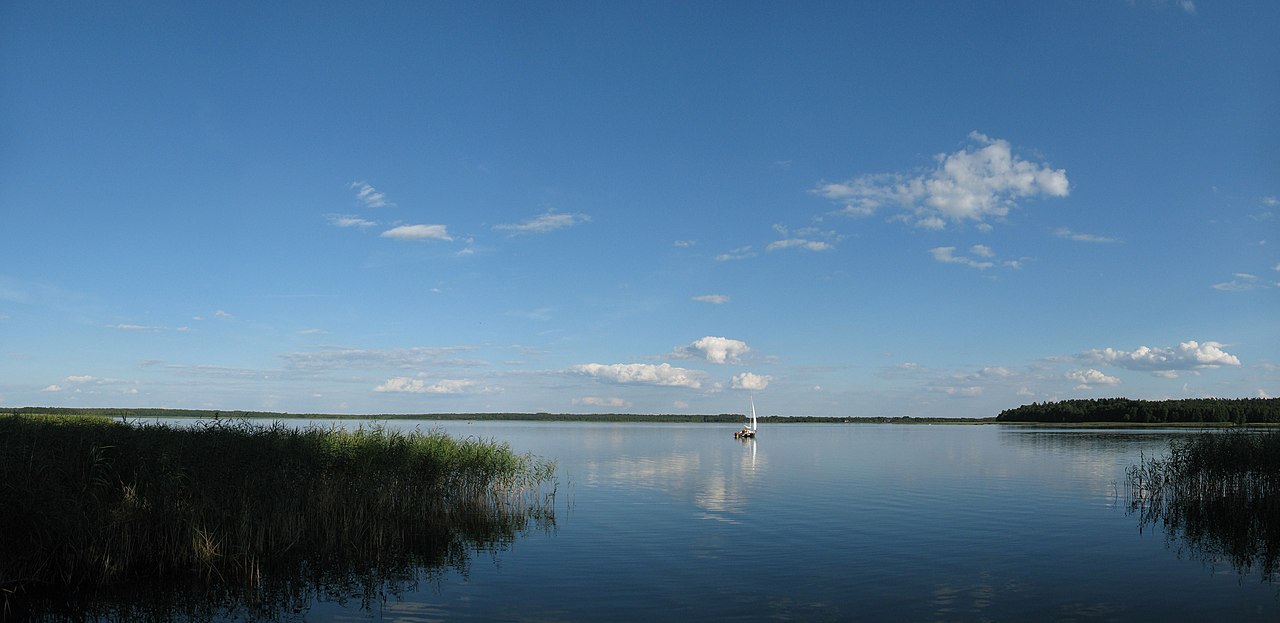



Geography and natural features
The region is famed for its lake-dotted landscape and extensive woodland. Much of the area belongs to the Masurian Lake District and adjacent lowlands, with thousands of lakes, rivers and wetlands that create a mosaic of habitats. Large tracts of relatively undeveloped countryside and several protected areas make it one of Poland's principal regions for nature tourism and outdoor recreation.
History and cultural background
Historically the territory comprises parts of the regions known as Warmia and Masuria. Over centuries it has seen influence from medieval trade routes, the Teutonic Order, Polish kingdoms and later Prussian and German administration. After the Second World War the area became part of postwar Poland, and its demographic and administrative landscape changed significantly in the mid-20th century.
Economy, tourism and recreation
Economic activity in the voivodeship mixes agriculture, forestry, food processing and services, with tourism playing a prominent seasonal role. The lakes and rivers attract sailing, kayaking and angling; forests and trails support hiking and cycling. Small towns and historic sites add cultural interest, while Olsztyn functions as the main economic, educational and transport hub.
Administration and notable facts
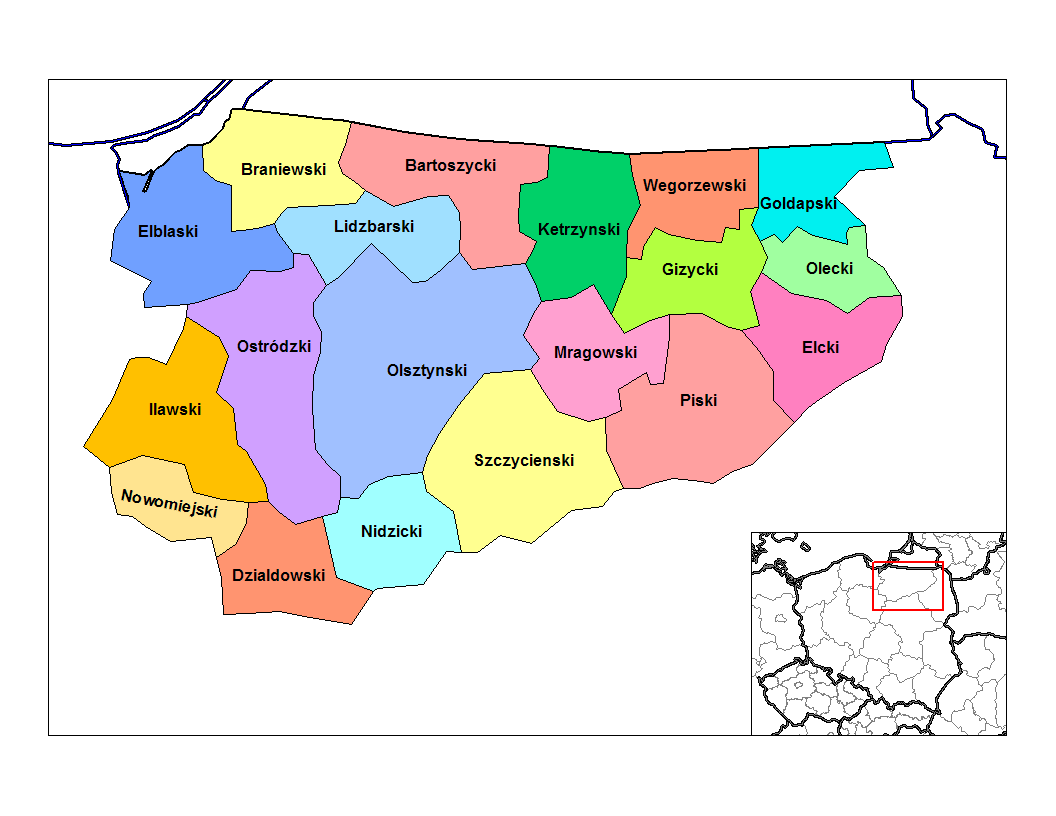
The voivodeship is governed from Olsztyn and is subdivided into counties and municipalities that handle local affairs. It is often marketed as the "land of a thousand lakes" because of its dense network of lakes and waterways. Visitors and researchers value the region for its scenic landscapes, biodiversity and remaining historic architecture.
Typical activities and attractions
- Sailing and boating on the Masurian lakes
- Wildlife watching and walking in protected areas
- Exploring historic towns, churches and rural architecture
- Seasonal festivals and regional cuisine
For official information, regional services and visitor guidance consult local authorities and tourism offices based in Olsztyn or regional portals often linked from national pages and guides (voivodeship resources are a useful starting point).
Related articles
Author
AlegsaOnline.com Warmian-Masurian Voivodeship (Poland) Leandro Alegsa
URL: https://en.alegsaonline.com/art/106555