
Warming center
A temporary public facility that offers heat, shelter, and basic services during cold, wet, or severe weather to reduce exposure and support people who lack safe, warm housing.
A warming center is a temporary public space opened during cold, wet, or severe weather to provide people a warm, dry place for short-term safety. Unlike long-term homeless shelters, warming centers operate for limited hours and often activate when temperatures, precipitation, or wind chill reach dangerous levels. Their purpose is pragmatic and medical: to reduce the risk of hypothermia and other cold-related harm among people who would otherwise be outdoors or in inadequately heated housing.
Image gallery
3 Images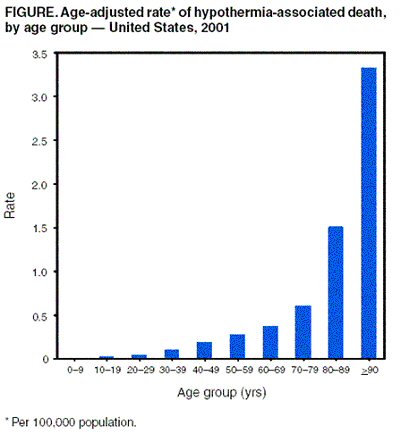


Core characteristics and services
Warming centers are typically simple and low-barrier. They may be hosted in community centers, churches, libraries, schools, or municipal buildings and are staffed by volunteers or social service workers. Services commonly include warm seating areas, blankets, hot drinks, restroom access, and information about local social services. Some centers offer basic medical screening, referral to shelters, or transportation assistance, but most do not provide long-term case management.
How they operate
- Activation: opened when weather conditions create increased risk (cold snaps, heavy rain, storms).
- Hours: may be open overnight or for daytime hours depending on local needs.
- Access: usually low-barrier—no extensive intake paperwork or sobriety requirements—designed to serve people who might not use traditional shelters.
Warming centers partner with public health agencies, emergency management, fire departments, faith groups, and nonprofit organizations to coordinate staffing, supplies, and publicity. Local protocols set triggers for opening and outline safety, security, and capacity plans.
History, development and distinctions
The modern warming center model grew from community responses to winter mortality and severe-weather emergencies. They differ from emergency shelters in intent and scope: warming centers are explicitly short-term, weather-triggered, and focused on immediate protection rather than long-term housing solutions. Because they are flexible and can be run by a wide range of local actors, they are useful in rural areas or smaller cities without expanded shelter systems.
Warming centers play a public-health role by reducing exposure to cold and wet conditions that can cause hypothermia and other health complications. To find or learn about local warming centers, contact municipal emergency management, public health departments, or community outreach organizations. Many locales publish opening notices through warming center hotlines, shelter maps, or community websites; for further information see local resources.
Questions and answers
Q: What is a warming center?
A: A warming center is a place where individuals can go to stay warm and dry during inclement weather conditions.
Q: When are warming centers typically open?
A: Warming centers are only open when the weather is bad.
Q: How do warming centers differ from homeless shelters?
A: Warming centers are similar to homeless shelters, but they are only open during times of bad weather.
Q: What is the main goal of warming centers?
A: The main goal of warming centers is to ensure that no one is left out in the cold, as many people die from being wet and cold each year.
Q: Why are warming centers important?
A: Warming centers are important because they provide a safe haven for individuals during dangerous weather conditions, helping to prevent potential health risks associated with being wet and cold.
Q: Can anyone go to a warming center?
A: Yes, anyone can go to a warming center irrespective of their social and economic background.
Q: Is there any cost associated with using a warming center?
A: There is usually no cost associated with using a warming center as they are operated by organizations or governments as part of social welfare programs.
Related articles
Author
AlegsaOnline.com Warming center Leandro Alegsa
URL: https://en.alegsaonline.com/art/106556
Sources
- lfpress.com : "A warming centre refuge | London | News | London Free Press"
- reef2reef.com : "Freezing Temps Convert ORA into Sea Turtle Warming Center Again"
- kvoa.com : "Three shelters, "warming center" to open their doors today | KVOA.com | Tucson, Arizona"
- gilroydispatch.com : "Warming center now open at National Guard Armory in Gilroy"
- lompocrecord.com : "Warming center opens at homeless shelter"
- web.multco.us : "Multnomah County Homeless Families Emergency Services"
- wfsb.com : "Windsor Locks Open Warming Center During Power Outage"
- sierravista-fthuachuca.kold.com : ""Warming Center" Open at Apache Middle School | News | Sierra Vista-Ft. Huachuca News"
- cityofchicago.org : "DFSS Warming Centers"
- oregonredcross.org : "Disaster Responders—Emergency Warming Center Volunteers"
- oregonredcross.org : "Newsroom - News Releases"
- eganwarmingcenter.com : "Egan Warming Center Home Page"
- fresno.gov : "Warming Center"
- santabarbaraca.gov : Public Testimony: RECOMMENDATION – Request From Mayor Schneider And Councilmember House Regarding A Funding Request From Freedom Warming Centers