
Wallingford, Connecticut — Town in New Haven County
Wallingford is a New England town in New Haven County, Connecticut, known for its colonial roots, mixed residential and commercial character, parks, and community events. Population recorded at 45,135 (2010).
Overview
Wallingford is a town in New Haven County, Connecticut, in the United States. It is a suburban New England community with a blend of older village centers, residential neighborhoods and commercial corridors. At the 2010 census the town's population was 45,135, a commonly cited benchmark for demographic discussion (2010 census data).
Image gallery
10 Images



Characteristics and geography
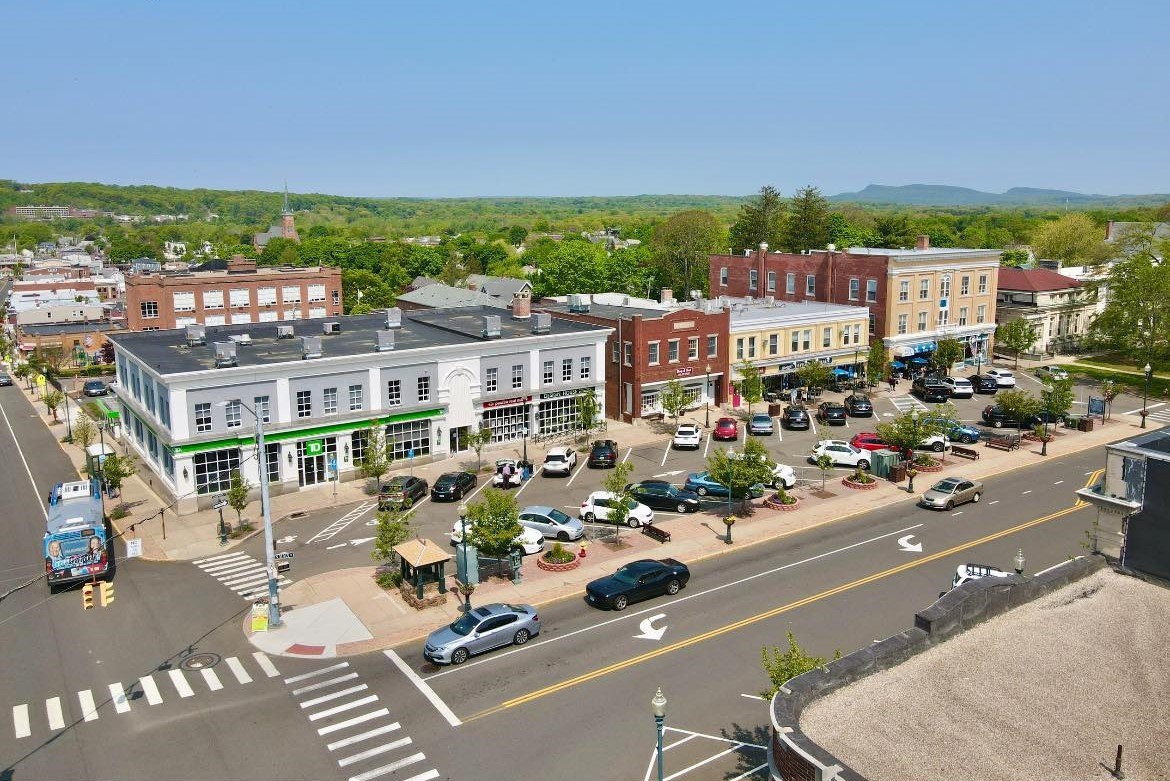
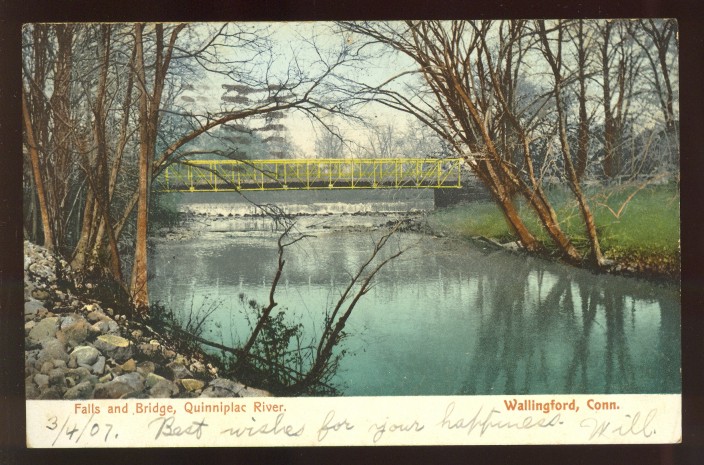
Wallingford occupies a largely inland area of southern Connecticut and is typical of many mid-sized New England towns in having a compact downtown and several outlying neighborhoods. The local landscape combines small rivers and brooks with pockets of parkland and recreational space. The town's built environment contains residential streets, shopping areas, and a number of historic homes and public buildings that reflect growth from the colonial era through the 19th and 20th centuries.
History and origins
The community traces its origins to early colonial settlement in the 17th century and takes its name from Wallingford in England. Over time Wallingford developed from an agricultural settlement into a diversified town with small-scale industry and commerce. Many of the town's older structures and neighborhood patterns reflect its gradual development across several centuries.
Economy, transportation and institutions
Wallingford's economy is a mix of local retail, services, light industry and commuter residences. Residents commonly travel to larger employment centers in the region while local businesses serve daily needs. Transportation connections include regional highways and public transit links that provide access to nearby cities and metropolitan areas; these routes support commuting, shopping and regional travel.
Culture, parks and community life
The town hosts seasonal festivals, farmers' markets and community events that reflect its civic traditions. Parks, recreational facilities and trails offer outdoor activities for families and visitors. Wallingford's historic districts and main street areas are focal points for cultural life, with community organizations often centered on preserving local heritage and supporting arts and education.
Notable facts and distinctions
- Named after Wallingford in England, reflecting colonial-era naming patterns.
- Historic architecture and village centers that tell the town's multi-century development story.
- Serves as a regional residential hub with convenient access to larger Connecticut cities.
For readers seeking detailed demographic, historical or municipal information, official town resources and regional planning documents provide primary data and current updates; the 2010 census remains a commonly referenced snapshot for population and household characteristics (census), while county and state sources outline broader context (county, state, national).
Related articles
Author
AlegsaOnline.com Wallingford, Connecticut — Town in New Haven County Leandro Alegsa
URL: https://en.alegsaonline.com/art/106294